Summary of HR 6601 (119th Congress) — CARE for First Responders Act
Title: Crisis Assistance and Resources in Emergencies for First Responders Act (CARE for First Responders Act)
Status: Introduced December 10, 2025. Referred to House committees (Energy and Commerce; Transportation and Infrastructure). Includes subsequent subcommittee actions as of early 2026.
Purpose
- To increase access to mental health, substance use, and counseling services for qualified emergency response providers (including first responders and public safety telecommunicators) and to strengthen supports during and after major disasters.
Key Provisions
1) Expanded Crisis Counseling and Training
- Amends the Stafford Act to extend crisis counseling eligibility to qualified emergency response providers responding to major disasters, in addition to victims.
- Adds definitions for:
- Public safety telecommunicator
- Qualified emergency response providers (EMS/first responders and telecommunicators)
2) Specialized Services for First Responders (Public Health Service Act, Title V, Subpart 3)
- Establishes a comprehensive program within the Substance Abuse and Mental Health Service Administration (SAMHSA) to deliver mental health services tailored to qualified emergency response providers.
- Program components (by requirement and timeline):
- 24/7 mental health care availability for qualified emergency response providers.
- A confidential, toll-free hotline coordinated through the 988 Suicide & Crisis Lifeline, staffed by trained mental health personnel.
- Outreach and education for first responders and their families, with priority to those involved in major disasters.
- Research on best practices for mental health services and suicide prevention, in coordination with multiple federal agencies (DHS, FEMA, U.S. Fire Administration, NIMH, CDC, DOJ).
- Education content to reduce stigma, encourage treatment, coping skills, and family support in transitions back to normal life after disasters.
3) Peer Support Counseling Program
- Establishes a peer support counselor program within SAMHSA.
- Active and retired qualified emergency response providers may volunteer as peer counselors to assist others and conduct outreach.
- Training requirements for peer counselors, with coordination across community, state/local entities, higher education, chambers of commerce, and other partners.
4) On-Site Mental Health Services Grants
- Creates a grant program to fund mobile, on-site crisis response units for major disasters.
- Eligible entities: States, localities, Tribal health departments, community health centers, rural clinics, or non-profit groups with disaster response experience.
- Grant details:
- Maximum grant amount: $150,000
- Grant duration: at least 6 months, renewable once for up to a total of 2 years
- Services: Mobile crisis response, on-site screening/evaluation, referral, crisis planning, coordination with existing supports, and resilience/self-care training.
- Grantees may purchase or lease equipment and may include data/IT systems.
- Evaluations and technical assistance: Federal agencies will evaluate grant activities, disseminate findings, provide training, and identify best practices to improve identification, treatment, and transition to follow-up care.
5) Definitions (Key Terms)
- Major disaster: As defined in the Stafford Act.
- Public safety telecommunicators: As defined by defined SOC Occupation 43-5031 (or successor).
- Qualified emergency response providers: Emergency responders and public safety telecommunicators.
- Qualified mental health professional: Broadly defined to include licensed professionals across a range of mental health disciplines, with provisions for certain Federally Qualified Health Center-supervised practitioners who are in training or gaining licensure.
Funding
- Authorization of appropriations: $5,000,000 for each fiscal year 2026–2030 to carry out these provisions.
Potential Impact
- Access and Utilization: Improves access to mental health and crisis services for first responders and telecommunicators, particularly in major disasters.
- Stigma Reduction: Education components aim to reduce stigma and encourage help-seeking among providers and families.
- Workforce Support: Peer counselors and mobile crisis units address immediate needs and long-term resilience, potentially reducing suicide risk and substance use issues in this population.
- Coordination: Enhanced coordination among federal agencies and local entities to deliver targeted mental health services and share best practices.
- Implementation Timeline:
- Specialized services program to be developed within 2 years of enactment.
- Grants for on-site mobile crisis units available after enactment, with ongoing evaluation and technical assistance.
Sponsorship
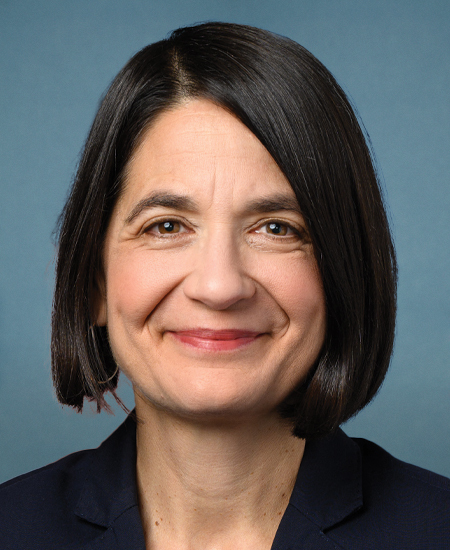
- Introduced by Rep. Tokuda, with multiple cosponsors from both parties, signaling bipartisan interest in veteran/first responder mental health and disaster response support.
Note: This summary focuses on the bill’s substantive provisions, their purpose, and potential effects on first responders and related support systems.