

WeVote

Bill

Bill

A 7872

Caps property taxes paid on primary residences by persons over sixty-five

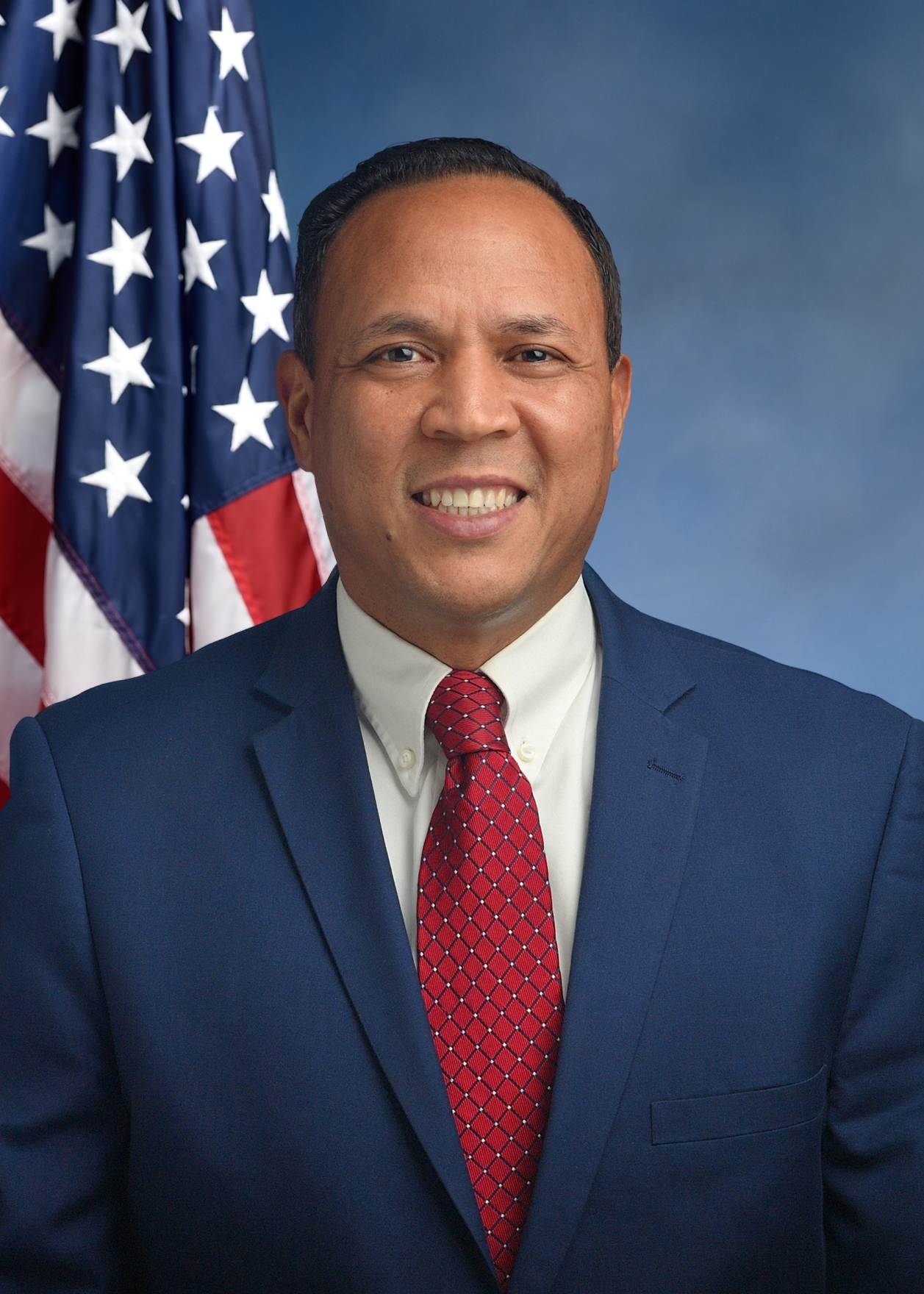
2025 Regular Session Introduced by George Alvarez

Caps property taxes on primary residences for homeowners aged 65+ to reduce annual tax burden and help seniors stay in their homes.

REFERRED TO REAL PROPERTY TAXATION
0
WeVote Research Nonpartisan
Bill Summary · A 7872

Summary of Bill A 7872

Overview

Bill A 7872, titled Caps property taxes paid on primary residences by persons over sixty-five, is currently referred to the Real Property Taxation committee. It was introduced on April 11, 2025. The primary sponsor listed is George Alvarez (primary). The available information indicates the bill would create a cap on property taxes for the primary residences of individuals aged 65 and older.

Purpose and Intent

  • Provide targeted tax relief to senior homeowners by limiting the amount of property tax they must pay on their primary residence.
  • Aim to reduce the annual tax burden on older residents, potentially helping seniors remain in their homes as property taxes rise.

Key Provisions (Limited information available)

At this time, the exact text of the bill is not provided, so specific details are not known. Based on the title, the bill would likely address:
- Eligibility: It would apply to individuals aged 65 and older and who occupy a property as their primary residence. The bill may specify additional criteria (e.g., ownership status, residency duration, potential income limits).
- Cap Mechanism: The bill would establish a cap on property taxes paid. The mechanism could be a fixed dollar cap, a percentage cap, or a cap tied to a percentage of income or assessed value. The calculation method, cap adjustment rules, and handling of special assessments or levies would be set in the text.
- Scope: It is unclear whether the cap would apply to all property taxes (including school, municipal, and special district taxes) or only to specific components.
- Administration: Provisions regarding how the cap is calculated, enforced, and who administers or verifies eligibility are not provided.
- Duration and sunset: No information is available on whether the cap is permanent, temporary, or subject to periodic renewal.
- Interactions: Potential interactions with other relief programs, exemptions, or statewide revenue considerations are not described.

Affected Parties

  • Primary: Homeowners aged 65 and older who own and occupy their residence.
  • Secondary: Local governments and school districts that rely on property taxes, as a cap could influence revenue decisions and funding levels.

Procedural and Timeline Aspects

  • Introduced: April 11, 2025.
  • Status: Referred to Real Property Taxation (no further action detailed in the provided information).
  • The duplicate “REFERRED TO REAL PROPERTY TAXATION” entry suggests the bill has been listed by the same committee on the same date; no hearings or amendments are documented here.

Next Steps and Considerations

  • Review the full bill text to confirm cap amount, eligibility criteria, scope, and administration.
  • Evaluate fiscal impact on local governments, school districts, and overall tax equity.
  • Consider potential interactions with existing tax relief programs and any grandfathering or transition provisions.
  • Monitor committee hearings and any amendments or votes.

Sponsor: George Alvarez (primary).

Compiled from official sources — confirm details with the bill’s official record.

Sign in to ask a question.