

WeVote

Bill

Bill

HR 9714

Capping Appointed Positions Act

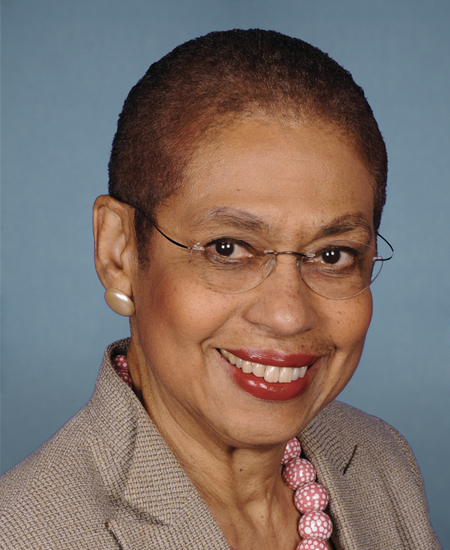
119th Congress Introduced by Eleanor Holmes Norton and 1 co-sponsor

H.R. 9714 caps the combined Schedule C and Schedule G federal positions at 1,600 nationwide, starting FY2027, requiring agencies to monitor and stay under the cap.

Introduced in House
0
WeVote Research Nonpartisan
Bill Summary · HR 9714

Overview

  • Bill: H.R. 9714 (119th Congress, 2nd Session)
  • Title: Capping Appointed Positions Act
  • Purpose: To limit the total number of Schedule C and Schedule G positions within the Federal Government.
  • Introduced: July 15, 2026 by Rep. Scholten (with Reps. Walkinshaw and Norton as co-sponsors)
  • Committee referral: House Committee on Oversight and Government Reform
  • Status: Referred to committee (as of the provided text)

What the bill would do (Key provisions)

  • Establish an annual cap on certain federal positions in the executive branch:
    • Schedule C positions (confidential or policy-determining) under 5 C.F.R. Part 213.
    • Schedule G positions in the excepted service (as created by Executive Order 14317).
  • Cap level: The total number of these Schedule C and Schedule G positions may not exceed 1,600.
  • Effective date: The cap applies beginning in fiscal year 2027 and each fiscal year thereafter.

Who/what would be affected

  • Affects federal employment within the executive branch.
  • Targets positions classified as:
    • Schedule C: confidential or policy-determining roles.
    • Schedule G: positions in the excepted service established by Executive Order 14317.
  • The cap constrains hiring, appointment, or continued occupancy of these specific categories across the federal government to ensure the combined total does not surpass 1,600.

Implications and potential impact

  • Administrative impact:
    • Agencies would need to monitor and manage the number of Schedule C and Schedule G hires to stay within the cap.
    • Potential need for prioritization or reclassification decisions if counts approach the limit.
  • Policy and governance impact:
    • Signals a move toward tighter control over politically sensitive or policy-determining personnel within the federal workforce.
    • Could affect flexibility in rapid or emergency staffing if the cap is approached or reached.
  • Budgetary and operational considerations:
    • While the bill does not specify funding changes, capping positions could indirectly influence personnel costs and agency operations.
  • Legal/administrative mechanics:
    • The cap is explicitly statutory (not simply regulatory), setting a concrete limit across all executive-branch agencies.

Timeline and procedural notes

  • Fiscal year applicability: 2027 and each subsequent fiscal year.
  • Next steps if enacted: Agencies would need to ensure compliance with the 1,600 cap in annual staffing plans and reporting; Congress may consider enforcement mechanisms or amendments as needed.

Summary

H.R. 9714 proposes a nationwide cap of 1,600 on the combined total of Schedule C and Schedule G positions in the federal executive branch, effective starting in FY2027 and each year thereafter. The bill aims to limit the number of confidential or policy-determining roles (Schedule C) and certain excepted-service roles (Schedule G) to constrain the size and potentially the influence of this segment of the federal workforce. It would require agencies to monitor and manage these classifications to remain under the cap. The bill has been referred to the House Committee on Oversight and Government Reform and currently has two co-sponsors.

Compiled from official sources — confirm details with the bill’s official record.

Sign in to ask a question.