Summary — HB 3513 (On-Premise Cannabis Consumption Act)
Status & Timing
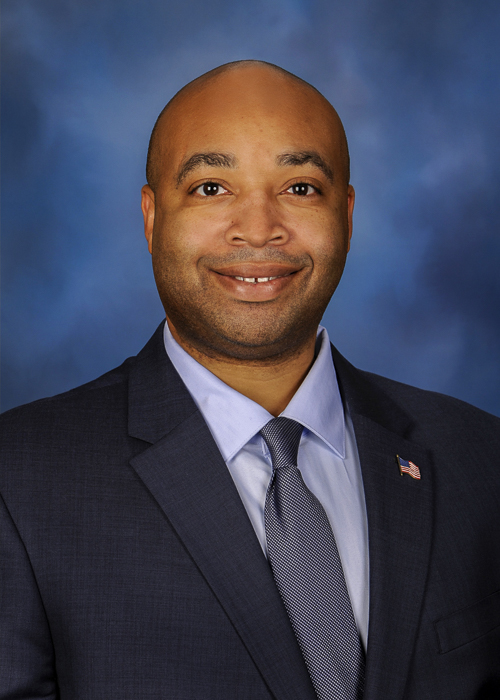
- Introduced: February 18, 2025 (Rep. Justin Slaughter)
- Enacted: Signed by Governor May 24, 2025
- Effective date: September 1, 2025
- Companion: SB 1801
Purpose
- Establish a statewide framework permitting counties and municipalities to authorize on‑site cannabis consumption through (1) temporary event permits and (2) licenses for “cannabis hospitality venues” (e.g., restaurants, bars, other businesses that allow communal consumption or cannabis‑infused products). The Act also limits certain local (home rule) powers related to on‑site consumption and makes conforming amendments to the Smoke Free Illinois Act.
Key definitions
- Cannabis, cannabis‑infused product, cannabis paraphernalia, and cannabis business establishment referenced to the Cannabis Regulation and Tax Act.
- Cannabis hospitality venue: a public or private restaurant, bar, or other business licensed under Section 15 that allows communal consumption or cannabis‑infused products on premises.
Major provisions
- Local authorization required: A county or municipality “may” issue temporary event permits and hospitality venue licenses, but only after adopting an ordinance meeting specified requirements.
- Temporary event permits:
- Required for any temporary event where cannabis or cannabis‑infused products are consumed.
- Applicant must submit plans including date/time, location, ventilation for indoor consumption, screening/obscuring for outdoor spaces, and measures to prevent unauthorized entry into consumption areas.
- Premises for temporary events may not be located within 500 feet of a primary or secondary school.
- Permit fees must be reasonably related to inspection/regulation costs.
- Local ordinances may set permit fees and maximum permit term.
- Local governments may not: ban attendees from bringing their own cannabis/paraphernalia; prohibit food/non‑alcoholic beverage sales at venues already licensed; or adopt public‑health/safety rules that exist only to deter events.
- Cannabis hospitality venue licenses:
- Operators must hold a local license for on‑site consumption; license subject to annual renewal and local fees.
- Consumption restricted to designated areas of the licensed premises.
- Indoor smoking/vaping/aerosol areas must have ventilation systems that exhaust smoke/aerosols/vapors and meet applicable building code standards.
- Outdoor consumption areas must be fenced/hedged or otherwise screened; cannot be located closer than 15 feet to the venue’s entrances/exits if on private property and not on a public way.
- Premises for hospitality licenses may not be within 500 feet of a public or private elementary or secondary school.
- Licensees must provide designated smoke‑free areas so employees can be isolated from cannabis smoke/vapors and implement plans to prevent underage access to consumption spaces.
- Social Equity Applicants (as defined in the Cannabis Tax and Regulation Act) qualify for a refund of licensing costs.
- Localities may not adopt rules that prohibit patrons bringing cannabis/paraphernalia or that otherwise unjustifiably hinder licensed consumption venues.
Impacted parties
- Local governments (counties, municipalities): must adopt ordinances to issue permits/licenses and are limited in certain regulatory powers.
- Existing hospitality businesses (restaurants, bars), cannabis retailers and event organizers: new licensing pathway to permit on‑site consumption.
- Social equity applicants: eligible for licensing fee refunds.
- Employees and patrons: protections required (smoke‑free employee areas, ventilation, barriers, underage access prevention).
- Schools: protected by 500‑foot proximity restrictions.
Procedural notes
- Localities must adopt specified ordinances before issuing permits/licenses.
- Fees must be tied to actual regulatory costs.
- The Act curtails some home‑rule authority by precluding local bans and certain deterrent regulations.
Implication
- Creates a uniform, locally‑administered system to allow safe, ventilated, and regulated on‑site cannabis consumption while setting minimum distance, ventilation, screening, and youth‑protection requirements and preserving access for social equity applicants.