

WeVote

Bill

Bill

AB 2299

California Antihunger Response and Employment Training Act of 2026.

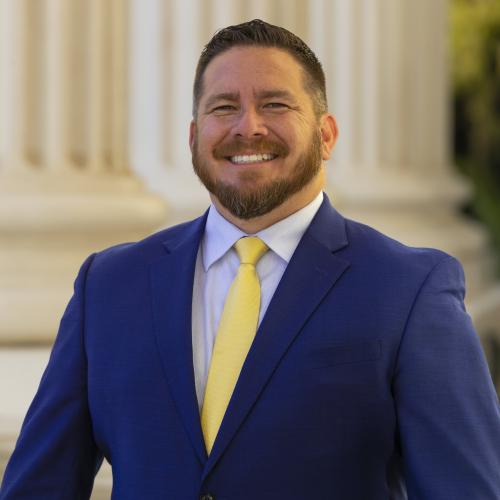
2025-2026 Regular Session Introduced by Juan Alanis and 10 co-sponsors

AB 2299 creates a California framework to pair CalFresh/antihunger efforts with employment training, coordinating nutrition benefits with job-readiness programs to boost self-suffi

From committee: Do pass and re-refer to Com. on APPR. (Ayes 5. Noes 0.) (June 29). Re-referred to Com. on APPR.
0
WeVote Research Nonpartisan
Bill Summary · AB 2299

Summary of AB 2299 (2025-2026) – California Antihunger Response and Employment Training Act of 2026

Purpose and intent

  • AB 2299 aims to address hunger and improve employment outcomes by integrating anti-hunger initiatives with employment training. The bill centers on leveraging CalFresh (the California implementation of SNAP) to support participants’ access to nutrition and work-oriented services.
  • The act is positioned as a California-specific framework to enhance, coordinate, and potentially expand the use of federal SNAP/CalFresh resources in ways that promote self-sufficiency through employment training and related supports.

Key provisions and changes (as available from the bill text and context)

  • Establishment or formal recognition of a state framework to align antihunger efforts with workforce development/training activities. While the precise statutory language is not fully provided in the summary, the title indicates a legislative focus on combining hunger relief with employment training initiatives.
  • Likely provisions may include:
    • Administrative coordination across state agencies to ensure CalFresh benefits support participation in employment training or job-readiness programs.
    • Requirements or incentives for counties to incorporate employment training components into CalFresh outreach or case management.
    • Potential funding mechanisms or allocations to support antihunger programs linked to workforce services.
    • Metrics or reporting to track outcomes related to hunger alleviation and employment outcomes for participants.

Note: The provided materials do not include the full bill text, so the exact statutory changes, funding levels, eligibility modifications, or program design details are not specified here beyond the bill’s title and context.

Who would be affected

  • CalFresh/SNAP recipients and applicants in California, particularly those engaged in or eligible for employment training programs.
  • County CalFresh offices and other state agencies involved in nutrition assistance and workforce development.
  • Service providers delivering employment training, job readiness, and anti-hunger services (nonprofits, community organizations, and program partners).

Procedural and timeline aspects

  • Legislative process milestones:
    • 2026-02-19: Read first time; bill printed.
    • 2026-03-16: Referred to the Assembly Committee on Health and Human Services (HUM. S.).
    • 2026-04-06: Amended by author and re-referred to HUM. S. after committee consideration.
    • 2026-04-07: Re-referred to HUM. S. (with amendments routine to the committee workflow).
  • Sponsorship:
    • Co-sponsors include: Laurie Davies, Tasha Boerner, Pilar Schiavo, Juan Alanis, Corey Jackson, and Lisa Calderon.
  • The bill is in the early-to-mid stage of passage, having undergone initial referral, amendments, and further referral to the committee.

Potential impact and considerations

  • If enacted, AB 2299 could enhance CalFresh participation in employment-training activities, potentially expanding access to nutrition assistance while pursuing job placement or skill-building.
  • Improvements in coordination between hunger relief and workforce programs could lead to better outcomes for low-income Californians, including increased employment rates and more stable food security.
  • Details such as funding levels, eligibility adjustments, and specific program requirements will determine the magnitude of impact on participants and administrative workloads.

If you’d like, I can incorporate the full bill text (when available) to provide more precise provisions, funding figures, timelines for implementation, and any eligibility changes.

Compiled from official sources — confirm details with the bill’s official record.

Sign in to ask a question.