

WeVote

Bill

Bill

HR 8866

Build to Scale Reauthorization Act of 2026

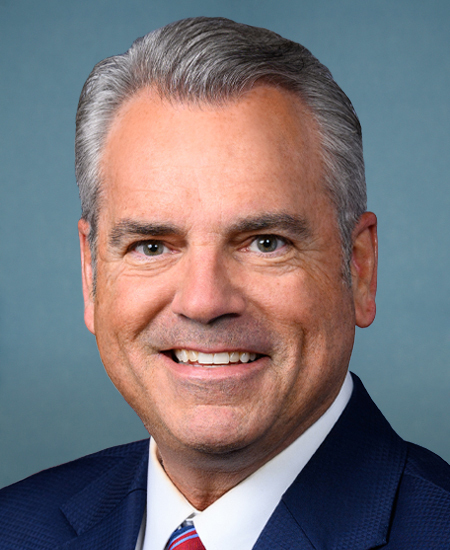
119th Congress Introduced by Mark Alford and 4 co-sponsors

Reauthorizes and strengthens regional innovation programs by expanding venture development organizations to provide direct financing and commercialization support, with needs-based

Introduced in House
0
WeVote Research Nonpartisan
Bill Summary · HR 8866

Overview

  • Bill: HR 8866 (Build to Scale Reauthorization Act of 2026)
  • Session: 119th Congress
  • Purpose: Reauthorize and modify the regional innovation program originally established to support innovation-based economic development in defined geographic regions. The bill expands, clarifies, and extends funding and program structure to increase access to capital, broaden outreach, and integrate regional technology and innovation hubs.

Key Provisions and Changes

  • Reauthorization and scope

    • Amends Section 27 of the Stevenson-Wydler Technology Innovation Act of 1980 to enhance access to capital and expand the role of venture development organizations (VDOs) within regional innovation initiatives.
    • Creates new or updated emphasis on supporting innovation-based business ventures in geographic regions.
  • Venture Development Organizations (VDOs)

    • Redefines or strengthens the role of VDOs as State or nonprofit entities with a geographically defined economic development mandate.
    • VDOs must provide:
    • Direct financing to private, innovation-centered businesses
    • Services to accelerate commercialization of research
    • Entrepreneurial support tailored to founders, startups, and businesses within the service area
  • Programmatic changes

    • Subsection language is updated to replace certain terms (e.g., “strategies” to “initiatives”) indicating a shift in program design and emphasis.
    • Requires an explicit connection to availability of appropriations (subsection references to funding may be made mandatory).
  • Cost share and funding framework

    • Federal cost share for activities funded under the subsection is capped at 50%, with an additional amount not to exceed 40% based on relative needs of the area (as determined by Secretary regulations).
    • This frames a more flexible, need-based cost-sharing approach to support regional initiatives.
  • Outreach and participation

    • The Secretary must conduct outreach to encourage participation by public and private sector entities in regional initiatives.
    • Targeted outreach focuses on rural communities, communities negatively impacted by trade, areas with persistent economic distress, and entities that collaborate with local workforce investment boards for workforce or training activities.
  • Data sources and program integration

    • Section updates rename or reorganize data-source provisions.
    • Adds reference to the Regional Technology and Innovation Hub Program under section 28, indicating integration with or coordination with other regional hub activities.
  • Federal share and funding authority (outlay and future funding)

    • Authorization for future appropriations: $50,000,000 for each fiscal year from 2026 through 2030 to carry out the section.
    • Provisions to use unobligated funds from prior years remain, allowing the Secretary to obligate and expend unobligated amounts from previous years for current purposes.

Who Would Be Affected

  • Regional innovation programs and their participating VDOs (State or nonprofit entities with defined geographic missions)
  • Private innovation-centered businesses seeking direct financing or access to commercialization services
  • Founders and startups within defined regions receiving tailored entrepreneurial support
  • Communities facing economic distress, rural areas, and trade-impacted localities targeted by outreach
  • Workforce development entities and local workforce investment boards collaborating on training initiatives

Procedural and Timeline Details

  • Legislative action: Referred to the House Committee on Science, Space, and Technology (May 15, 2026); introduced in the House on May 15, 2026.
  • Funding horizon: New authorized appropriations of $50 million per year for 2026–2030.
  • Implementation: Text prescribes changes to program structure, funding match, and outreach, with Secretary-level regulations to determine relative needs-based allocations.
  • Data and program integration: References to connecting with the Regional Technology and Innovation Hub Program suggest coordinated implementation with related regional innovation efforts.

Summary

The Build to Scale Reauthorization Act of 2026 seeks to reauthorize and strengthen regional innovation programs by expanding the role of venture development organizations, increasing direct financing and commercialization support for regional innovation, and incorporating a needs-based cost-sharing framework. It emphasizes targeted outreach to underserved or distressed areas, compatibility with workforce training initiatives, and coordination with related regional hub programs. The bill authorizes $50 million annually in new funding for 2026–2030 and allows use of unobligated prior-year funds to support ongoing efforts.

Compiled from official sources — confirm details with the bill’s official record.

Sign in to ask a question.