

WeVote

Bill

Bill

HR 5710

Bridge the Gap for Rural Communities Act

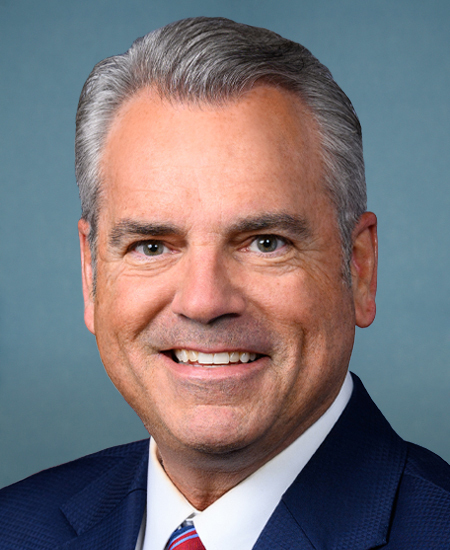
119th Congress Introduced by Mark Alford and 30 co-sponsors

Bill addresses rural-urban infrastructure and economic development gaps through federal initiatives, though specific provisions require committee review and public disclosure.

Referred to the Subcommittee on General Farm Commodities, Risk Management, and Credit.
0
WeVote Research Nonpartisan
Bill Summary · HR 5710

Legislative bill overview

HR 5710, the Bridge the Gap for Rural Communities Act, aims to address infrastructure and economic development disparities between rural and urban areas. The bill, sponsored by a bipartisan group of representatives, was introduced in October 2025 and referred to the House Committee on Agriculture for review. The specific provisions have not been publicly detailed in standard legislative databases yet.

Why is this important

Rural communities face documented challenges in broadband access, transportation infrastructure, healthcare delivery, and economic opportunity—issues that directly affect quality of life and competitiveness. Federal intervention in this area can influence investment patterns, business development, and population retention in rural regions, making it relevant to constituents across multiple states and policy domains beyond agriculture.

Potential points of contention

  • Funding mechanism and fiscal impact: How the bill funds rural development initiatives and whether it represents new spending or reallocation from existing programs will likely generate debate about budget priorities
  • Definition and eligibility criteria: Disagreement may arise over what qualifies as "rural," which communities receive benefits, and whether funding formulas favor certain regions over others
  • Role of federal versus state/local government: Questions about whether federal mandates or incentives are appropriate, and how much flexibility states and communities have in implementing solutions

Compiled from official sources — confirm details with the bill’s official record.

Sign in to ask a question.