

Bill

BILL • US HOUSE

HR 1175

Blind Americans Return to Work Act of 2025

119th Congress
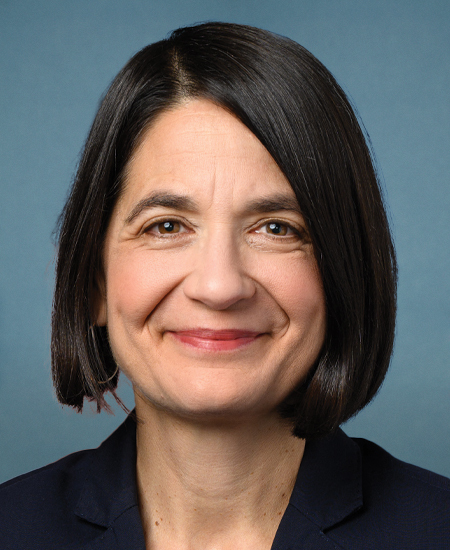
Introduced by Stephanie Bice, Juan Ciscomani, Jason Crow and 19 other co-sponsors

The Blind Americans Return to Work Act boosts job opportunities for blind individuals through training funding, employer tax incentives, and assistive technology support.

Introduced in House
0
0
Bill Summary • HR 1175

Summary of HR 1175: Blind Americans Return to Work Act of 2025

Purpose and Intent

The Blind Americans Return to Work Act of 2025 (HR 1175) aims to enhance employment opportunities for individuals who are blind or visually impaired. The bill seeks to address barriers to employment and promote economic independence for this demographic by providing necessary support and resources.

Key Provisions

The bill includes several important provisions designed to facilitate the return of blind Americans to the workforce:

  • Increased Funding for Job Training Programs: The legislation proposes increased funding for vocational rehabilitation programs specifically tailored for blind and visually impaired individuals. This funding aims to improve access to job training and skills development.

  • Tax Incentives for Employers: HR 1175 introduces tax incentives for employers who hire individuals with visual impairments. These incentives are intended to encourage businesses to create inclusive workplaces and support the employment of blind Americans.

  • Support for Assistive Technology: The bill allocates resources for the development and distribution of assistive technologies that can aid blind individuals in performing job-related tasks effectively.

  • Awareness Campaigns: The legislation calls for awareness campaigns to educate employers and the public about the capabilities of blind workers, aiming to reduce stigma and promote inclusivity in hiring practices.

Who Would Be Affected

The primary beneficiaries of HR 1175 are:

  • Blind and Visually Impaired Individuals: The bill directly supports those who are blind or have significant visual impairments by providing them with better access to job training and employment opportunities.

  • Employers: Businesses that hire blind individuals may benefit from tax incentives, making it financially advantageous to create a more diverse workforce.

  • Vocational Rehabilitation Programs: Organizations that provide job training and support services for blind individuals will receive increased funding, allowing them to expand their programs and reach more individuals.

Procedural Aspects

  • Introduced Date: The bill was introduced in the House on February 10, 2025.
  • Committee Referral: Following its introduction, HR 1175 was referred to the House Committee on Ways and Means for further consideration.

Conclusion

The Blind Americans Return to Work Act of 2025 represents a significant step towards improving employment opportunities for blind and visually impaired individuals. By providing targeted support, financial incentives, and promoting awareness, the bill aims to foster a more inclusive workforce and enhance the economic independence of those affected. As the bill progresses through the legislative process, its potential impact on employment practices and the lives of blind Americans will be closely monitored.

Hi! I'm your AI assistant for HR 1175. I can help you understand its provisions, impacts, and answer any questions.

Key Provisions Impacts Timeline
Sign in to chat