

WeVote

Bill

Bill

AB 1780

Beverage containers: redemption payments: exemption.

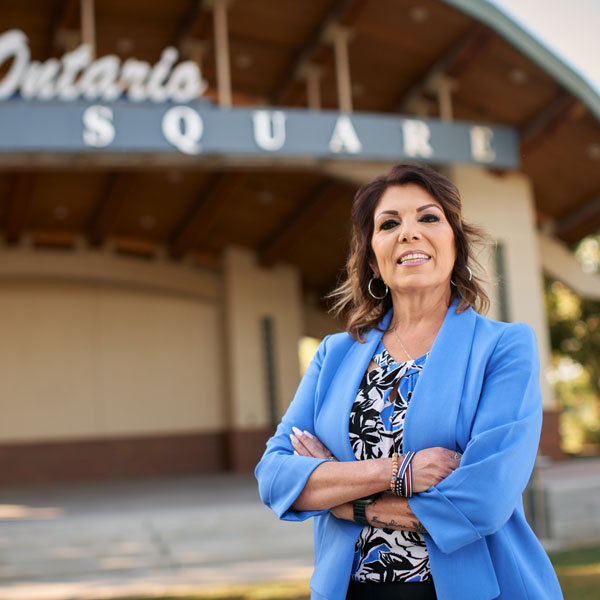
2025-2026 Regular Session Introduced by Michelle Rodriguez

Exempts distributors from redemption payments for donating filled water/juice containers to California 501(c)(3) nonprofits, with required donation recordkeeping.

Read second time and amended. Re-referred to Com. on APPR.
0
WeVote Research Nonpartisan
Bill Summary · AB 1780

Overview

AB 1780 (2025-2026, California) adds an exemption to the Beverage Container Recycling Act (Beverage containers: redemption payments). Specifically, it would allow distributors to donate filled beverage containers containing certain beverages to California-based, tax-exempt organizations (501(c)(3)) and be exempt from redemption payments otherwise due to the Department of Resources Recycling and Recovery (CalRecycle). The bill also requires recordkeeping for these donations.

Purpose and intent

  • To create an exemption from the mandatory redemption payments for certain donated beverage containers.
  • Aims to support charitable donations to California-based, federally tax-exempt organizations while reducing the financial burden on distributors for containers donated as part of charitable activities.

Key provisions

  1. Exemption from redemption payments

    • A distributor is exempt from making redemption payments for filled beverage containers containing water or juice (as defined in existing law: items described in sections 14504(a)(4), (7), and (9)) if the distributor donates those containers to a California-based organization that is exempt from federal income tax under Section 501(c)(3) of the Internal Revenue Code.
    • Donations of containers for purposes other than those specified (donations beyond water/juice-filled containers) remain subject to redemption payments and other applicable charges under the division.
  2. Recordkeeping requirements

    • Distributors must prepare and maintain records for donated filled beverage containers, including:
      • A charitable donation receipt from the recipient organization.
      • Donation date.
      • Number, size, and material type of donated containers.
      • The amount of redemption payments that would have been due if not exempted.
      • Original bill of lading or similar shipping document indicating the recipient.
    • Records must be kept for at least five years and be available to CalRecycle upon request.
  3. Reimbursement and fiscal notes

    • The bill states that no reimbursement is required by the act for local agencies or school districts, under the California Constitution, due to the scope of the changes (per the Government Code 17556 framework). This aligns with the standard “no local reimbursement” clause when a bill modifies penalties or crime definitions in a particular way.

Who is affected

  • Beverage distributors who sell or transfer beverage containers (the current statutory distributors under the California Beverage Container Recycling Act).
  • California-based, federally tax-exempt 501(c)(3) organizations that receive donated filled beverage containers.
  • CalRecycle, which would administer and audit the new exemption and review donor records upon request.
  • Local agencies and school districts are not directly burdened with reimbursement for this act, per the bill’s fiscal note provisions.

Procedural and timeline aspects

  • Legislative status: As introduced in February 2026, with a sequence of committee referrals and votes indicating passage through natural resource and appropriations processes.
  • Action history shows:
    • First reading and referral to committee around February 2026.
    • Passage out of Natural Resources Committee.
    • Re-refer to Appropriations with a suspense file, then “Do pass” from the Committee on Appropriation and subsequent readings.
  • No new state mandate reimbursement is required for local entities, per the bill’s no-reimbursement clause.

Potential impact

  • Financial: Creates a potential cost saving to distributors by reducing redemption payments on eligible donations. The net fiscal impact would depend on the volume of qualifying donations and the value of redemption payments that would have been due.
  • Charitable sector: Could encourage donations of beverage containers to qualifying California-based 501(c)(3) organizations, potentially increasing charitable supply and use of containers for fundraising or program support.
  • Administration: Requires recordkeeping and reporting to CalRecycle, ensuring transparency on which donations qualify and the avoided redemption payments.

This summary reflects the bill’s provisions as introduced and its stated intent to exempt certain donated beverage containers from redemption payments while imposing detailed recordkeeping requirements.

Compiled from official sources — confirm details with the bill’s official record.

Sign in to ask a question.