

WeVote

Bill

Bill

SB 3454

BETTER SOCIAL MEDIA FEEDS ACT

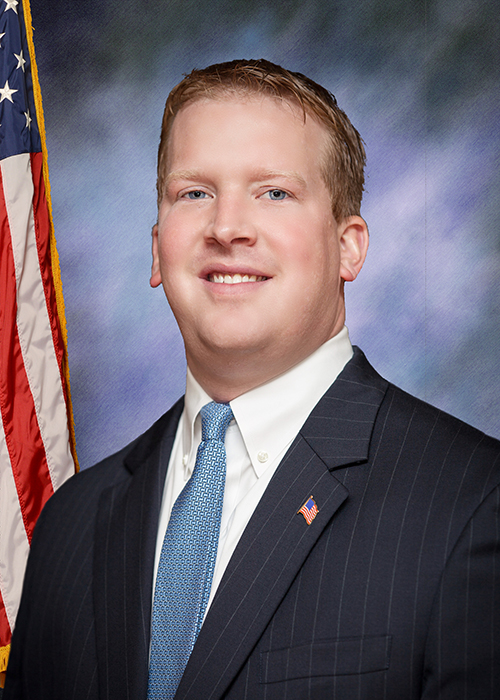
104th Regular Session Introduced by Jason Plummer and 3 co-sponsors

Illinois would require transparency, defaults favoring long-term user value, and annual long-term holdout audits for algorithmic recommender systems on platforms serving Illinois u

Added as Co-Sponsor Sen. Jason Plummer
0
WeVote Research Nonpartisan
Bill Summary · SB 3454

Summary of SB3454 (104th Illinois General Assembly)

Title: Better Social Media Feeds Act

Deadline: Effective January 1, 2027

Author/ Sponsor: Sen. Sue Rezin (co-sponsor)

Jurisdiction: Illinois

Status: Introduced February 5, 2026; assigned to committees; rule deadlines established (as of last action)

1) Purpose and Intent

  • Establishes new requirements governing algorithmic recommender systems used by covered online platforms operating in Illinois.
  • Aims to increase transparency (what algorithms do and how they work) and to align algorithmic design with long-term user value rather than short-term engagement.
  • Seeks to address concerns about consumer harms from opaque algorithms (e.g., excessive use by minors, mental health impacts, polarization) by mandating disclosures, default configurations favoring long-term user value, and annual public disclosures of product metrics.

2) Key Provisions and Changes

Definitions (Section 10)

  • Defines terms used in the Act, including:
    • Algorithmic recommender system
    • Covered online platform/business
    • Covered minor
    • Personal data
    • User-provided data, user survey data, engagement
    • Long-term user value and long-term user value metrics
    • Holdout group and long-term holdout assessment
    • Weights (the numeric settings controlling outputs)

Transparency on Algorithmic Systems (Section 20)

  • When a platform deploys an algorithmic recommender system, it must: 1) List each algorithmic recommender system in use. 2) Describe inputs to each algorithm and the data sources for those inputs. 3) Disclose the weights used in each system, categorized into quartiles by relative importance.
  • The Illinois Attorney General will issue rules to clarify disclosures.
  • Annually disclose high-level objectives, key results, and performance metrics used to evaluate product teams responsible for algorithm design.

Defaults and User Choice (Section 25)

  • For services using personal data in recommender systems, default configuration must maximize one or more long-term user value metrics.
  • Create an accessible user interface enabling explicit user preferences about the types of items to be recommended or blocked; platforms must strive to ensure outputs align with these preferences.
  • Platforms may not withhold or degrade products or raise prices to punish users for exercising rights or preferences under the Act, except as necessary to comply with the Act or related rules.

Minors (Section 30)

  • Recommender systems using personal data provided to or used by a covered minor must, by default, maximize long-term value metrics applicable to minors.

Long-Term Assessments (Section 35)

  • Platforms must maintain at least one holdout group and subject changes to long-term holdout assessments.
  • Annual public disclosure of long-term holdout assessments, including:
    • Platform’s long-term user value metrics
    • Aggregate anonymized results for the holdout group and the rest of the user base
  • By January 1, 2028, the Attorney General will adopt rules governing holdout operations, disclosures, and potential exemptions for certain design changes that reduce harm without increasing engagement or revenue.
  • Require independent audits of long-term holdout assessments at least annually, with full cooperation from platforms and independent audit reporting.

Enforcement (Section 40)

  • Violations constitute unlawful practices under the Illinois Consumer Fraud and Deceptive Business Practices Act.
  • All existing AG remedies and authority under the CFBP Act are available to enforce SB3454.

Conforming Amendments (Section 90)

  • Adds a new section to the Consumer Fraud and Deceptive Business Practices Act to explicitly prohibit violations of the Better Social Media Feeds Act (unlawful practice).

Severability and Effective Date (Sections 97, 99)

  • Provisions are severable.
  • Takes effect January 1, 2027.

3) Who Would Be Affected

  • Covered online platforms that conduct business in Illinois and use algorithmic recommender systems that rely on personal data.
  • Minor users of these platforms (with default optimization tied to minors’ long-term value).
  • The Illinois Attorney General (enforcement and rulemaking) and independent auditors engaged by platforms.
  • Users located in Illinois, who would gain access to disclosures and default configurations aligned with long-term value.

4) Procedural and Timeline Aspects

  • Rules Development: The Attorney General to adopt rules clarifying disclosure content and holdout assessment procedures (Section 20(a), and Section 35(c)).
  • Annual Disclosures: Platforms must disclose high-level objectives and long-term metrics annually; annual holdout assessment disclosures required under Section 35(b).
  • Long-Term Holdout Rules: AG to promulgate comprehensive rules by January 1, 2028, covering holdout construction, disclosure requirements, and potential exemptions for harm-reducing changes.
  • Audits: Independent annual audits of long-term holdout assessments required (Section 35(d)).
  • Effective Date: January 1, 2027; enforcement provisions effective upon enactment.

5) Potential Impacts to Monitor

  • Increased transparency about algorithm design and data inputs for Illinois users.
  • Changes to default recommender configurations to emphasize long-term user value rather than engagement metrics.
  • Expanded use of holdout and long-term assessment methods, with public reporting and independent audits.
  • Legal risk for platforms failing to disclose required information or to adhere to default optimization and user-choice requirements.

This summary focuses on substantive provisions, the bill’s intended effect on platform design and consumer protection, and relevant timelines.

Compiled from official sources — confirm details with the bill’s official record.

Sign in to ask a question.