

WeVote

Bill

Bill

HB 5466

BEHAVIORAL HEALTH CARE LOAN

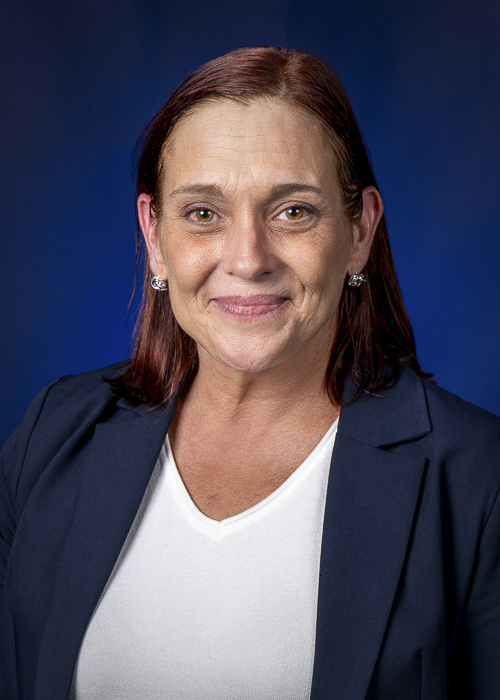
104th Regular Session Introduced by Murri Briel and 6 co-sponsors

Illinois establishes a loan program to support behavioral health care workers, addressing workforce shortages in mental health and substance use treatment services through financial assistance for professionals in the field.

Senate Committee Amendment No. 1 Assignments Refers to Appropriations- Education
0
WeVote Research Nonpartisan
Bill Summary · HB 5466

Legislative bill overview

HB 5466 establishes a loan program designed to support individuals entering or working in behavioral health care professions in Illinois. The bill passed the House with overwhelming bipartisan support (102-0-1), indicating broad agreement on the policy's general framework.

Why is this important

Illinois faces significant workforce shortages in behavioral health services, particularly in underserved communities. Loan programs targeting this sector can incentivize professionals to enter the field and remain in Illinois, potentially improving access to mental health and substance use treatment services across the state.

Potential points of contention

  • Program funding source and sustainability: The bill's funding mechanism and long-term fiscal impact are critical questions—whether it relies on general revenue, dedicated appropriations, or loan repayment systems affects state budget priorities.
  • Loan repayment terms and forgiveness conditions: Details about interest rates, repayment periods, and any forgiveness provisions (such as service in underserved areas) will determine whether the program effectively targets workforce gaps or primarily benefits higher-income professionals.
  • Eligibility criteria and scope: The specific behavioral health professions covered (therapists, counselors, psychiatrists, peer specialists, etc.) and educational requirements will shape which workforce segments benefit and whether the program addresses the most critical shortages.

Compiled from official sources — confirm details with the bill’s official record.

Sign in to ask a question.