

WeVote

Bill

Bill

HB 1701

Authorizing multiple liquor licensees to have licensed premises within a facility owned and leased out by another liquor licensee or person.

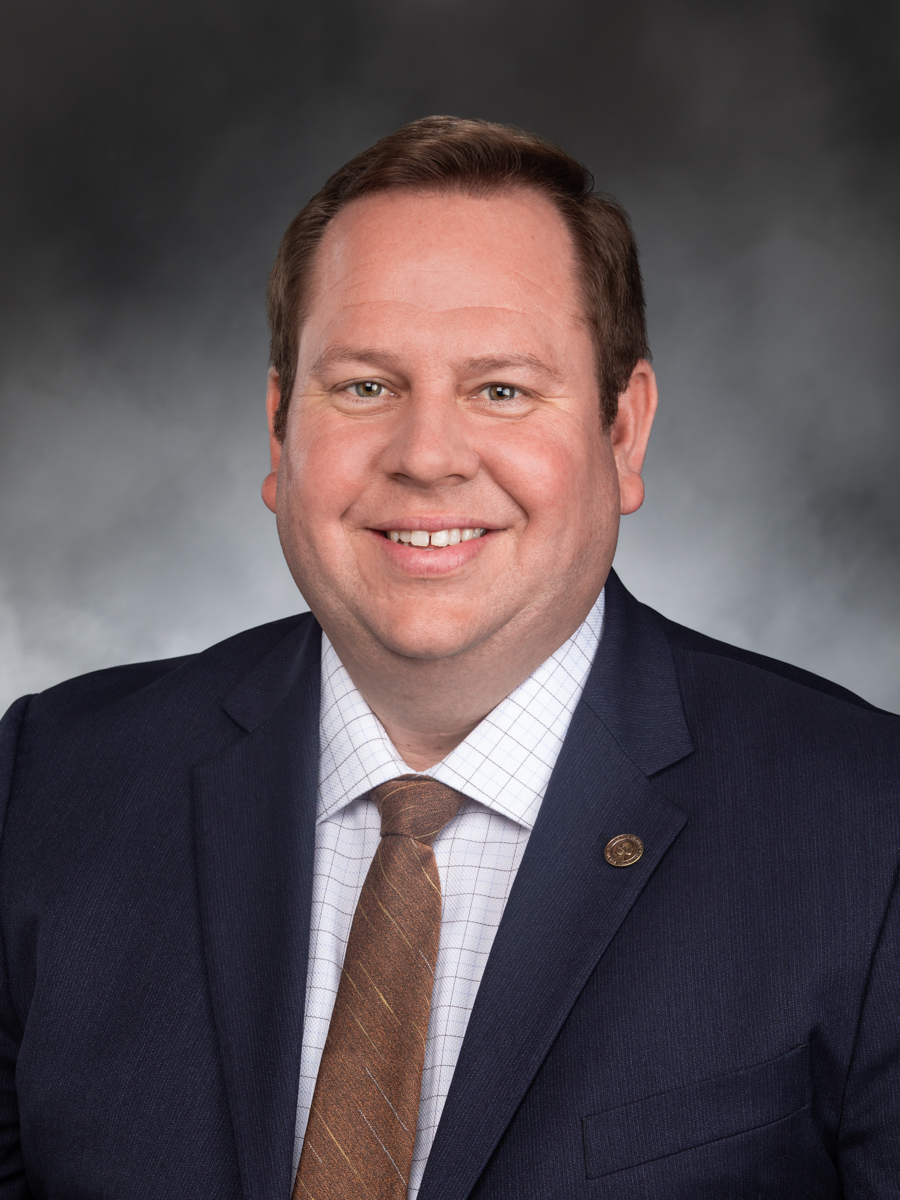
2025-2026 Regular Session Introduced by Mike Steele

Washington bill allows multiple liquor licensees to operate simultaneously within shared facilities, potentially enabling food halls and mixed-use venues while complicating regulatory oversight.

Effective date 6/11/2026.
0
WeVote Research Nonpartisan
Bill Summary · HB 1701

Legislative bill overview

HB 1701 allows multiple liquor licensees to operate licensed premises within a single facility owned or leased by another liquor licensee or person. This modifies Washington's current liquor licensing structure by permitting co-tenancy arrangements that were previously prohibited or heavily restricted. The bill has advanced through committee with a majority recommendation to pass.

Why is this important

This change could significantly reshape Washington's hospitality and alcohol retail landscape by enabling shared-space business models—such as food halls with multiple bar operators, mixed-use venues, or co-branded establishments. It may lower barriers to entry for smaller liquor businesses by reducing real estate costs, but could also concentrate alcohol availability in fewer physical locations and complicate regulatory oversight and enforcement.

Potential points of contention

  • Regulatory complexity: Multiple licensees in one facility raises questions about how the state enforces compliance, manages customer safety, and prevents license-holder collusion or rule circumvention
  • Community concerns: Stakeholders may worry about increased alcohol density in neighborhoods, potential public health impacts, and whether the facility owner holds sufficient accountability
  • Competitive fairness: Existing single-licensee operators may face disadvantages competing against multi-operator venues with shared overhead costs and customer traffic concentration

Compiled from official sources — confirm details with the bill’s official record.

Sign in to ask a question.