

WeVote

Bill

Bill

A 10436

Authorizes university faculty practice corporations for the practice of occupational therapy

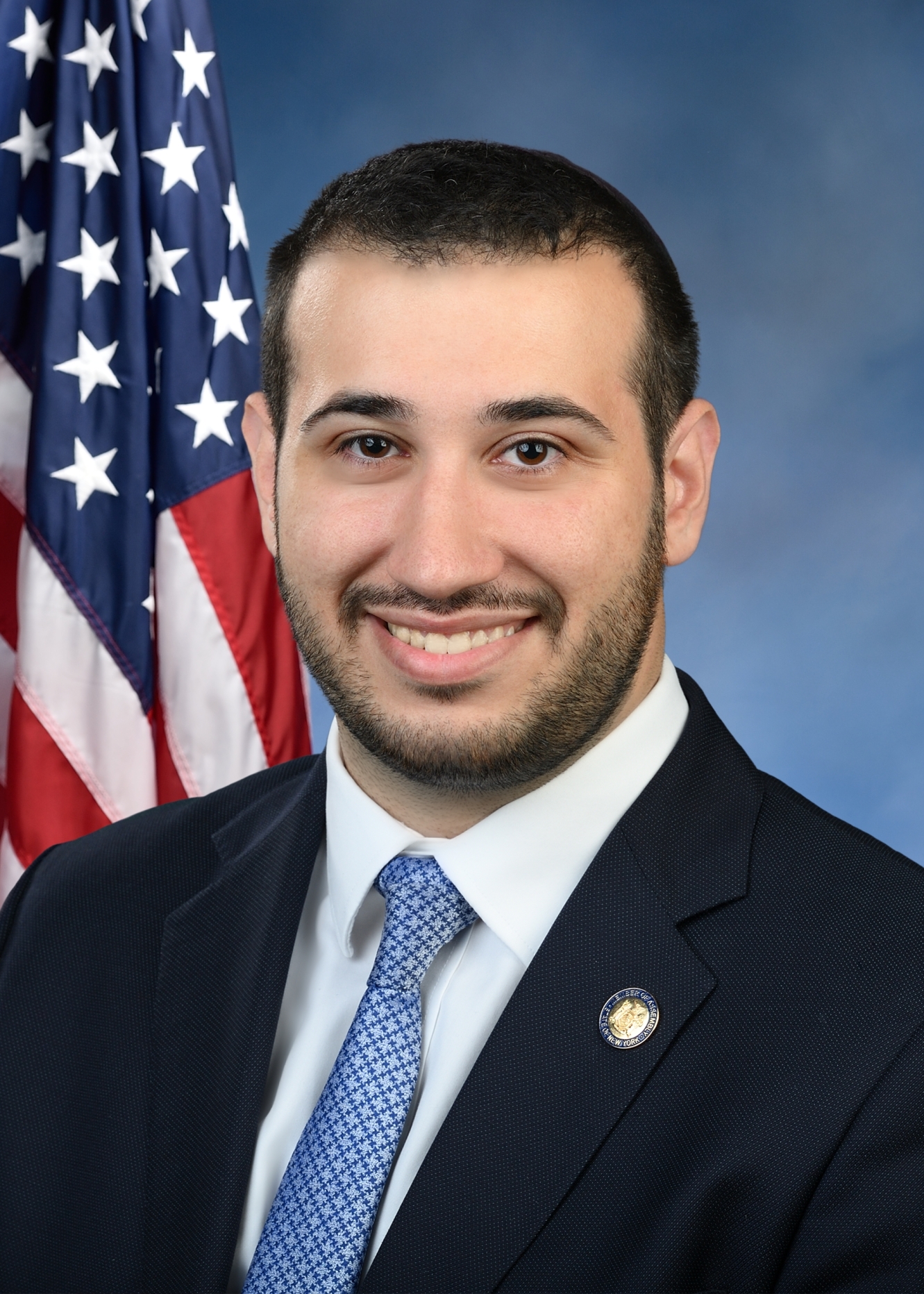
2025 Regular Session Introduced by Sam Berger and 3 co-sponsors

Allows universities to form nonprofit faculty practice corporations for occupational therapy to supervise clinical training and provide services aligned with school programs.

REFERRED TO CORPORATIONS, AUTHORITIES AND COMMISSIONS
0
WeVote Research Nonpartisan
Bill Summary · A 10436

Summary of Bill A. 10436 (2025-2026) – New York

Purpose and intent

  • Authorizes the formation and operation of university faculty practice corporations specifically for the practice of occupational therapy, expanding the existing framework that permits faculty practice corporations for other professional disciplines.
  • Aims to support the educational mission of accredited occupational therapy programs by enabling clinical instruction, supervision of students, interns, and residents, while allowing the corporations to render professional services in a controlled, compliant manner.

Key provisions and changes

  • Section 1: Amendments to the Not-for-Profit Corporation Law
    • Subdivisions (a), (c), and (e) are amended to authorize one or more academically affiliated professionals to organize a university faculty practice corporation for the practice of occupational therapy (in addition to existing authorized practices like medicine, dentistry, chiropractic, physical therapy, and optometry).
    • Organization purpose (new language in (a)):
    • The corporation may be organized to (1) support the educational mission by providing clinical instruction and supervision of students, interns, and residents, and (2) render professional services incidental to that mission.
    • The corporation must operate in compliance with: (A) Internal Revenue Code section 501(c)(3) and (B) the faculty practice plan applicable to the relevant school, as amended.
    • Certificate of incorporation (Section 1, (c)):
    • The incorporation certificate must include a certificate from the licensing authority confirming that proposed members, directors, and officers are authorized to practice the relevant profession in New York.
    • The certificate must identify the affiliated medical/dental/chiropractic/occupational therapy/optometry school in New York and confirm compliance with the 501(c)(3) requirement and the faculty practice plan.
    • Applicability and governance (Section 1, (e)):
    • The chapter applies to university faculty practice corporations, with modifications to conflict provisions.
    • A university faculty practice corporation may consolidate or merge only with another university faculty practice corporation.
    • Applicable provisions of Article 15 of the Business Corporation Law are adapted: references to “shareholder” become “member,” and other related terminology is adjusted accordingly.
    • No individual may be a member, director, or officer unless:
      • They are legally authorized to practice the relevant profession in New York, and
      • They are a member of the faculty of the associated school.

Who is affected

  • Eligible institutions: New York universities, colleges, or schools with an accredited occupational therapy program (and related professional schools that may offer other aligned programs such as medicine, dentistry, chiropractic, physical therapy, or optometry as context for the existing framework).
  • Individuals: Faculty members who are legally authorized to practice occupational therapy in New York and who are members of the respective school faculties.
  • Legal/governance: The operation of these university faculty practice corporations must align with federal tax-exemption requirements (501(c)(3)) and the institution-specific faculty practice plan.

Procedural and timeline aspects

  • Effective date: The act takes effect immediately upon enactment.
  • Structural changes: Requires certificate of incorporation to include licensing confirmations and affiliation with the specific university program; mandates alignment with 501(c)(3) and faculty practice plan.
  • Corporate governance: Applies modified provisions of Article 15 of the Business Corporation Law, with terminology changes (members instead of shareholders) and restrictions on mergers to only other university faculty practice corporations.

Potential impact and considerations

  • Educational impact: Creates a formal mechanism for occupational therapy faculties to provide supervised clinical experiences, potentially enhancing training for students, interns, and residents.
  • Professional practice: Enables supervised professional services by faculty through a nonprofit corporate entity, while maintaining strict compliance with licensing and school-wide practice plans.
  • Compliance and oversight: Institutions must ensure licensing verification, tax-exempt status compliance, and adherence to the faculty practice plan, along with governance provisions tailored to this specialized form of practice corporation.
  • Scope limitation: The model is expressly limited to university faculty practice corporations and requires that mergers occur only with similarly structured entities.

Compiled from official sources — confirm details with the bill’s official record.

Sign in to ask a question.