Summary — A5402 (A5402A): Impersonating a First Responder
Status and procedural history
- Introduced: March 6, 2025 (Assembly).
- Most recent status: Reported and referred to Rules (May 20, 2025).
- Amended/printed as A5402A (May 16, 2025).
- Referred at various points to Assembly Public Safety & Preparedness and Energy committees.
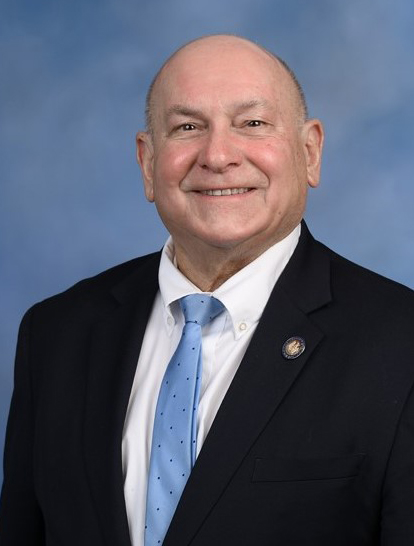
- Sponsors: Chris Burdick (primary); cosponsors Angelo Santabarbara, Sarahana Shrestha, MaryJane Shimsky, Steven Otis.
- Related/companion bills: S4132; prior-session/companion S3734.
- Effective date: Immediately upon enactment.
Purpose and intent
- Creates a new criminal offense targeting people who impersonate first responders to facilitate and carry out other crimes. The sponsors indicate the measure responds to reported incidents (e.g., during wildfires) where individuals posed as emergency personnel to exploit chaotic emergency conditions.
Key provisions
- New offense: A person is guilty of a crime if they (1) impersonate a first responder, (2) assume a false identity as a first responder, or (3) make a false or misleading statement about being a first responder, when those acts are undertaken for the purpose of committing a crime or offense and the person then commits that crime or offense while acting in the assumed role.
- Grading of the offense:
- If the underlying offense committed while impersonating a first responder is a disorderly persons offense or petty disorderly persons offense, the impersonation offense is a crime of the fourth degree.
- Otherwise, the impersonation offense is graded one degree higher than the most serious underlying crime (with the cap that if the underlying crime is a first-degree crime, the impersonation offense is a first-degree crime).
- Definition of “first responder”: includes law enforcement officers; paid or volunteer firefighters; paid or volunteer members of duly incorporated first aid, emergency, ambulance, or rescue squad associations; and other individuals who, in the course of employment, are dispatched to motor vehicle accidents or other emergency situations to provide medical care or assistance.
Relation to existing law
- The bill is modeled on and is similar in purpose to the existing statute criminalizing impersonation of public servants or law enforcement (N.J.S.A. 2C:28-8), but specifically targets impersonation of first responders tied to commission of other offenses and provides enhanced grading.
Who is affected / impact
- Persons who falsely represent themselves as first responders and commit crimes while doing so would face criminal prosecution under the new statute, with penalties increased relative to the underlying conduct.
- Intended beneficiaries include actual first responders and public safety generally, by deterring opportunistic criminal behavior during emergencies.
Notes
- The bill requires that the impersonation be purposefully tied to committing an offense and that an underlying offense actually be committed in the assumed role; mere impersonation without an associated offense is not expressly penalized by this provision.
- Sponsors cite recent wildfire/drought-related emergency conditions as motivating examples for the enhanced protection.