

WeVote

Bill

Bill

A 9224

Authorizes the New York State Energy Research and Development Authority to loan money to utility companies for purposes of capital expenditures

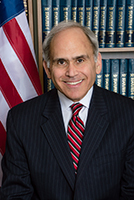
2025 Regular Session Introduced by Jonathan Jacobson

Authorizes NYSERDA to loan funds to utility companies for capital expenditures, enabling grid upgrades and reliability improvements with state-backed financing.

REFERRED TO CORPORATIONS, AUTHORITIES AND COMMISSIONS
0
WeVote Research Nonpartisan
Bill Summary · A 9224

Summary of Assembly Bill A 9224

Overview

  • Bill number: A 9224
  • Title: Authorizes the New York State Energy Research and Development Authority (NYSERDA) to loan money to utility companies for purposes of capital expenditures
  • Sponsor: Jonathan Jacobson (primary)
  • Introduced: November 3, 2025
  • Status: REFERRED to the Assembly Committee on Corporations, Authorities and Commissions
  • Legislative actions: The bill appears in the record twice on 2025-11-03 as “REFERRED TO CORPORATIONS, AUTHORITIES AND COMMISSIONS” (likely a duplicate entry in the record)
  • Classification: Bill (assembly)

Purpose and intent

The bill would empower NYSERDA to provide loans to utility companies for capital expenditures. The primary intent appears to be enabling financing support to utility infrastructure investments, which could include modernization, reliability upgrades, or other capital projects undertaken by regulated or otherwise eligible utility providers in New York State. The overarching goal is to facilitate essential expenditures through a State-backed financing mechanism.

Key provisions and changes (as described by the bill’s title)

  • NYSERDA authority expansion: The bill would authorize NYSERDA to loan funds to utility companies.
  • Purpose of loans: Limited to capital expenditures by those utility companies. Specific eligible project types, eligibility criteria for borrowers, and loan terms would be defined in the bill text (not provided in the summary you provided).
  • Potential program scope: While not specified in the summary, such authorization typically covers infrastructure projects like grid upgrades, system reliability improvements, and possibly clean energy or decarbonization-related investments. Exact scope would be detailed in the enacted language.

Note: The provided material does not include detailed terms (interest rates, repayment periods, collateral, caps, eligibility criteria, geographic or utility-type limitations, or reporting requirements). The actual provisions would be set forth in the bill’s text.

Who would be affected

  • Primary: NYSERDA (as lender and administrator) and utility companies in New York State that participate as borrowers.
  • Secondary: Utility customers (ratepayers) who could be affected by the cost and terms of infrastructure investments funded through such loans.
  • Regulators and agencies: The New York State Public Service Commission and related oversight bodies, which would likely interact with any NYSERDA loan program and its impact on utility rates and capital planning.
  • Vendors and contractors involved in capital projects financed through the loans.

Procedural and timeline aspects

  • Introduction and committee action: The bill has been referred to the Assembly Committee on Corporations, Authorities and Commissions. No further action details are provided in the summary.
  • Next steps: If advanced, the bill would proceed to committee hearings, potential amendments, and votes in the Assembly. If passed, it would move to the Senate (and then to the Governor for signing or veto) following the normal legislative process.
  • Effective date: Not specified in the summary; the effective date would be specified in the enacted text.

Potential impacts and considerations

  • Benefits: Could accelerate grid modernization and capital projects, improving reliability and enabling energy transition goals through structured, state-backed financing.
  • Risks and oversight: Requires careful design to protect ratepayers from undue financial exposure and to ensure prudent project selection, sound underwriting, and transparent reporting.
  • Fiscal considerations: The program would entail funding and credit risk management by NYSERDA; details on funding sources, portfolio size, and default management would be crucial.

What to watch when the full text is released

  • Eligibility criteria for borrowers and projects
  • Loan terms (interest rates, repayment schedules, maturities, collateral)
  • Caps or limits on total loans and annual commitments
  • Oversight, reporting requirements, and performance metrics
  • Interaction with existing NYSERDA programs and PSC oversight
  • Sunset or renewal provisions and legislative sunset date (if any)

For readers seeking a deeper understanding, the released bill text will specify the exact parameters, requirements, and implementation framework.

Compiled from official sources — confirm details with the bill’s official record.

Sign in to ask a question.