

WeVote

Bill

Bill

SB 1472

SB 1472 - This act authorizes the city of Osage Beach to establish an entertainment district in which licensed establishments may sell intoxicating liquor by the drink for consumption within the entertainment district during certain hours as provided in the act. Establishments shall apply for an entertainment district special license and shall pay an annual license fee of $300. A holder of an entertainment district special license shall be solely responsible for alcohol violations occurring at its establishment and in any common areas. This act is substantially similar to provisions in the truly agreed to and finally passed HCS/HB 2057 (2026), SB 1734 (2026), SCS/HB 3000 (2026), SB 482 (2025), SB 1431 (2024), SCS/HCS/HB 643 (2025), SS#2/SCS/HB 199 (2025), HB 2068 (2024), and HB 2348 (2024). SARAH HASKINS

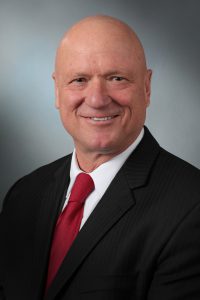
2026 Regular Session Introduced by Mike Bernskoetter

The bill creates a public-record exemption to hide whether individuals are certified school security guards, protecting operational safety.

Second Read and Referred S Local Government, Elections and Pensions Committee
0
WeVote Research Nonpartisan
Bill Summary · SB 1472

SB 1472 — PROP TX — Board of Review (Public Records / School Security Guards)

Status: Rule 3-9(a) / Re‑referred to Assignments
Introduced: February 20, 2025
Sponsor: Senator Burgess
Linked bill: SB 1470 (2025)

Purpose / Intent

SB 1472 creates a limited public‑records exemption to protect the identities of individuals certified to serve as school security guards when that information is held or reported to the Florida Department of Law Enforcement (FDLE), a law enforcement agency, a school district, or a charter school. The exemption is intended to preserve the operational effectiveness and safety of certified school security personnel by preventing public disclosure that could impede their ability to respond to active assailant incidents.

Key provisions

  • Amends s. 30.15, Florida Statutes, to exempt from public‑records disclosure any information (held by FDLE, a law enforcement agency, a school district, or a charter school) that is reported to FDLE under SB 1470 and would identify whether an individual has been certified as a school security guard.
  • Aligns this new exemption with an existing exemption that protects information identifying appointed safe‑school officers (for public, charter or private schools).
  • Adds a public necessity statement asserting that disclosure could affect a school security guard’s ability to respond to active assailant situations.
  • Makes the exemption subject to the Open Government Sunset Review Act; it automatically repeals on October 2, 2030, unless reenacted.
  • Extends the sunset date for an existing exemption protecting school guardian certification information from October 2, 2029, to October 2, 2030.
  • Conditional effective date: the bill becomes effective on the same date SB 1470 (2025) or similar legislation takes effect, provided both are enacted in the same legislative session (or extension) and become law.

Who/what is affected

  • Protected: Individuals certified to serve as school security guards (their identifying certification status).
  • Custodians: FDLE, law enforcement agencies, school districts, and charter schools (records custodians holding reported certification information).
  • Public: Journalists, researchers, and members of the public who make public‑records requests — access to identification of certified school security guards would be restricted.
  • Policy connection: Dependent on companion legislation SB 1470 (2025), which requires FDLE to maintain a list that could otherwise identify guards.

Procedural / timeline notes

  • Introduced Feb 20, 2025; committee reports and fiscal analysis dated March–April 2025.
  • The exemption is subject to the Open Government Sunset Review Act and will sunset Oct 2, 2030 unless reenacted.
  • The bill’s operative date is tied to enactment of SB 1470 (2025) or similar legislation.

Fiscal impact

  • The Senate analysis and fiscal note state the bill has no fiscal impact to state revenues or expenditures.

Related legislation

  • SB 1470 (2025) — establishes reporting/FDLE list requirements to which this exemption responds.

Compiled from official sources — confirm details with the bill’s official record.

Sign in to ask a question.