

WeVote

Bill

Bill

A 3626

Authorizes funding to local government entities from the urban development corporation

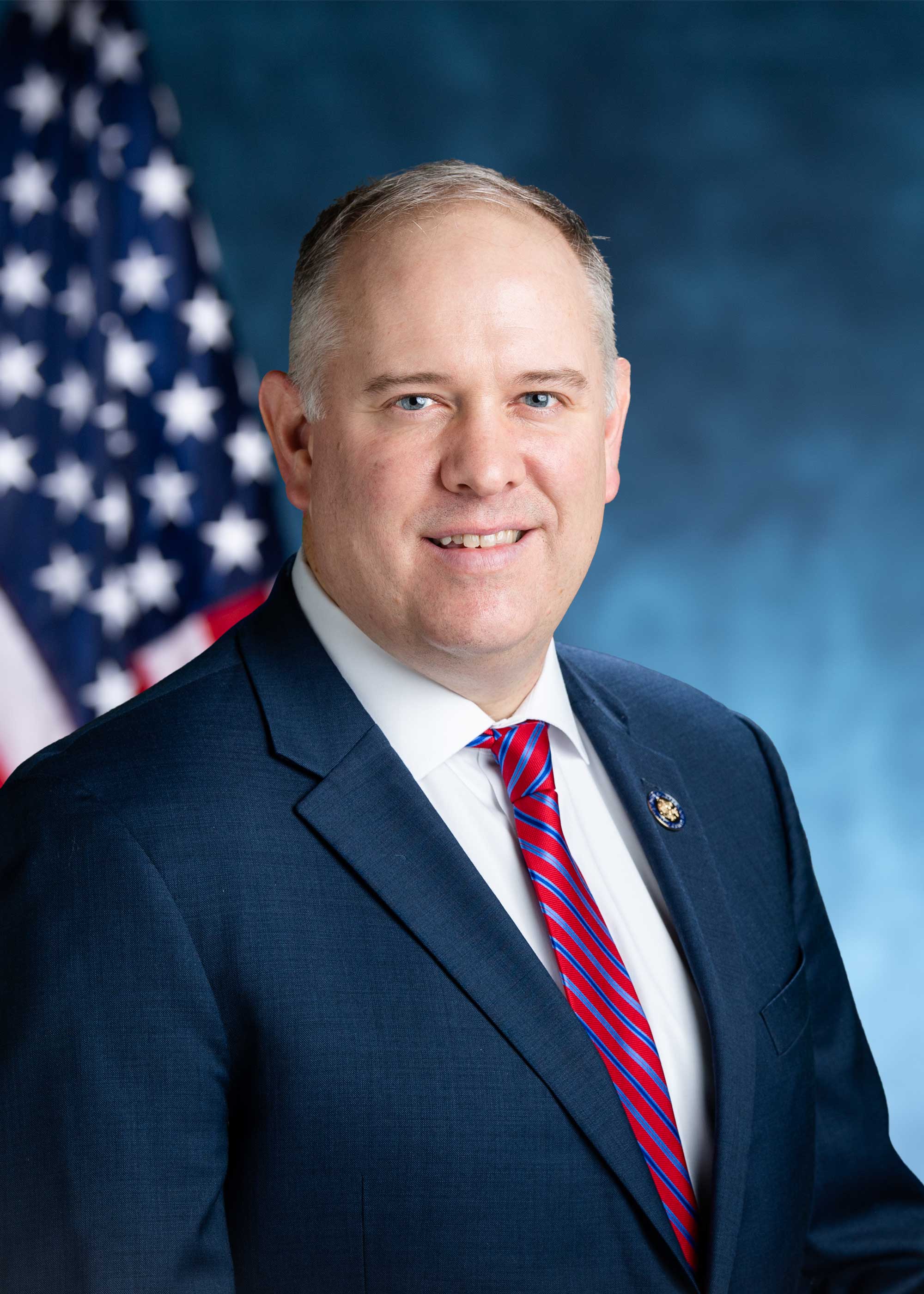
2025 Regular Session Introduced by Bill Conrad

Authorizes funding from the Urban Development Corporation to local governments for urban development projects, boosting local infrastructure, housing, and economic growth.

REFERRED TO LOCAL GOVERNMENTS
0
WeVote Research Nonpartisan
Bill Summary · A 3626

Summary of House Bill A 3626

Overview

  • Bill Number: A 3626
  • Title: Authorizes funding to local government entities from the urban development corporation
  • Sponsor: William Conrad (primary)
  • Status: Referred to Local Governments
  • Introduced: January 29, 2025
  • Related/Balancing Bills: A 8956 (prior-session); S 649 (companion, appears in both Senate and House contexts)

Purpose and intent

The bill appears to authorize the transfer or provision of funding from the state’s urban development corporation to local government entities. The objective is likely to support urban development initiatives at the local level by providing financial resources, potentially to cities, towns, or counties for projects aligned with urban renewal, housing, infrastructure, economic development, or related activities.

Key provisions (as indicated by the title; specifics not provided in the summary)

  • The primary stated action is to authorize funding from the urban development corporation to local government entities.
  • The exact mechanisms (e.g., grants, loans, lines of credit), eligibility criteria, funding caps, repayment terms, and oversight requirements are not detailed in the information provided.
  • Typical elements that may appear in the full text (not confirmed in this summary) could include:
    • Eligibility criteria for local governments and eligible projects
    • Amounts available and annual or multi-year appropriation authorizations
    • Application and approval processes
    • Terms of funding (interest rates, repayment schedules, forgiveness options)
    • Use-of-funds restrictions and reporting requirements
    • Oversight, auditing, and accountability provisions
    • Sunset or renewal provisions and periodic review by the Legislature

Note: The above potential provisions are general expectations for this policy area. The actual bill text would specify the definitive provisions and conditions.

Affected entities and impacts

  • Primary beneficiaries: Local government entities (cities, towns, counties, or other municipalities) that undertake urban development projects.
  • Impact scope: Depending on the final language, could influence local capital projects, housing and community development, infrastructure upgrades, and economic development efforts funded through the urban development corporation.
  • Fiscal impact: The bill would authorize funding, implying potential changes to state finance and budget allocations. The magnitude would depend on the appropriation level and any matching or performance requirements.

Procedural and timeline aspects

  • Current stage: Referred to the Committee on Local Governments. No further dates or actions are provided.
  • Legislative actions listed:
    • 2025-01-29: REFERRED TO LOCAL GOVERNMENTS (listed twice in the provided actions)
  • Next steps: Review the full bill text, any fiscal notes, and committee reports to understand specific funding mechanisms, eligibility, and fiscal impact. Monitor amendments and companion legislation (S 649 in the Senate and A 8956 from prior sessions) for alignment or differences.

Additional context

  • Related legislation: A 8956 (prior-session) and S 649 (companion) suggest ongoing interest in funding local governments through the urban development framework. Tracking these related bills can provide parity, alternative language, or differing fiscal approaches.

What to look for in the full bill

  • Exact funding mechanism (grant vs. loan vs. other)
  • Eligibility criteria and eligible project types
  • Funding amounts, caps, and term lengths
  • Application, approval, and disbursement processes
  • Accountability, reporting, and auditing requirements
  • Interaction with existing state urban development programs and local government finance laws

If you’d like, I can monitor for the full text and provide an updated, detailed analysis once the bill’s provisions are publicly available.

Compiled from official sources — confirm details with the bill’s official record.

Sign in to ask a question.