

WeVote

Bill

Bill

A 10949

Authorizes funding to local government entities from the urban development corporation

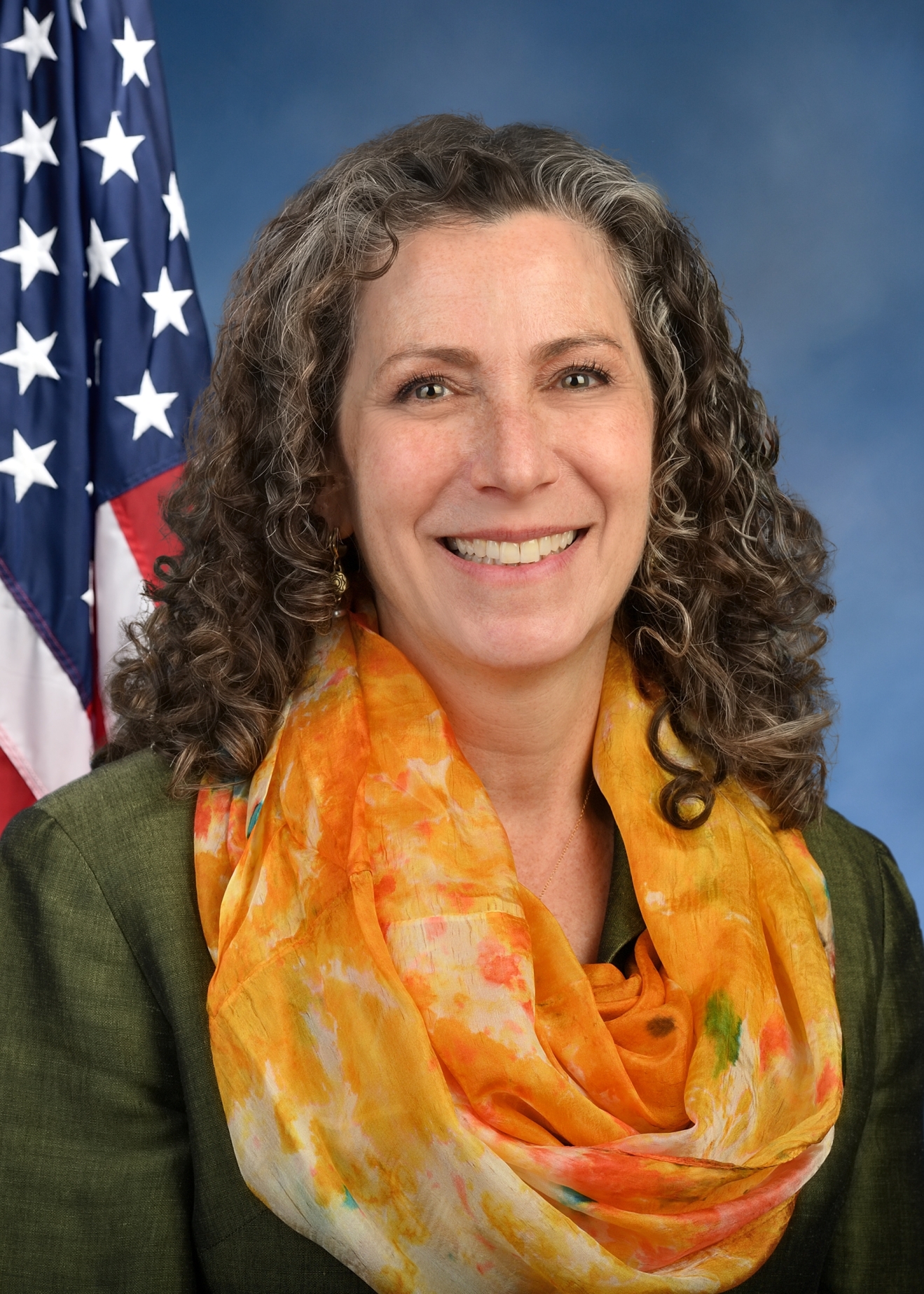
2025 Regular Session Introduced by Dana Levenberg

Provides up to $140 million in staged, capped UDC aid to local governments to offset revenue losses from closed electric generating facilities, over up to 12 years.

REFERRED TO LOCAL GOVERNMENTS
0
WeVote Research Nonpartisan
Bill Summary · A 10949

Summary of Bill A. 10949 (2025-2026, New York)

Purpose and Intent

  • Authorizes funding to local government entities from the Urban Development Corporation (UDC) to offset revenue losses caused by the cessation of operation of electric generating facilities within a local government’s jurisdiction.
  • The program is contingent on available funding and has a total cap of $140 million.

Key Provisions and Changes

  • Funding source and cap

    • Up to $140,000,000 from the Urban Development Corporation may be made available.
    • Payments are limited to 12 years maximum for any local government entity.
    • The annual total awarded across all recipients cannot exceed the $140 million cap.
  • Eligibility criteria for local government entities

    • Eligible entities include counties, cities, towns, villages, school districts, or special districts.
    • Conditions: An electric generating facility located within the entity must have ceased operations on or after June 25, 2015, and the cessation must have caused a reduction in real property tax collections or payments in lieu of taxes (PILOT) by at least 20%.
  • Payment mechanics and schedule

    • Payments are made on a first-come, first-served basis after confirmation from:
    • The State Office of Real Property Tax Services, or
    • The Local Industrial Development Authority (LIDA) or Local Industrial Development Agency (LIIDA), as applicable.
    • Each eligible entity may receive one payment per year.
    • The amount of each annual payment is a share of the “loss of revenues” (the reduction in real property taxes and PILOTs attributable to the facility’s cessation), subject to an escalating multi-year schedule:
    • Year 1: up to 80% of the loss of revenues
    • Year 2: up to 70%
    • Year 3: up to 60%
    • Year 4: up to 50%
    • Years 5–12: up to 20% (with the same 20% cap applying in years 8–12)
    • The specific percentage cap is applied to the loss of revenues (not including interest or penalties) for each year.
  • Procurement and application order

    • The timing of payments establishes the order of priority for program recipients.
    • No payment can be made until the generating facility has retired or is ineligible to participate in markets operated by the Electric Bulk System Operator (BSO).
    • An applicant must submit an attestation to the Department of Public Service (DPS) confirming that the facility is no longer producing electricity and is not participating in BSO markets.
    • DPS will verify with the BSO; if confirmed, DPS notifies UDC, permitting payment.
  • Funding duration and limitations

    • The program is designed to mitigate revenue losses resulting from the cessation of operation of electric generating facilities.
    • The total aggregate payments under the program cannot exceed $140,000,000.
    • The statute clarifies that “loss of revenues” is calculated based on the differential between last year of operation and current taxes/PILOTs, excluding interest and penalties.

Who Would Be Affected

  • Local government entities (counties, cities, towns, villages, school districts, or special districts) hosting and then losing an electric generating facility.
  • The local property tax base and PILOT collections affected by facility cessation.
  • State agencies involved in oversight and verification:
    • Department of Public Service (DPS)
    • State Office of Real Property Tax Services
    • Local Industrial Development Authorities/Agencies (LIDA/LIIDA)

Procedural and Timeline Considerations

  • Effective date: Immediate upon enactment.
  • Application and payment process follow a first-come, first-served basis, contingent on facility retirement and DPS/BSO confirmations.
  • Eligible payments are limited to 12 years per entity, and the total across all entities cannot exceed $140 million.
  • Each entity may receive at most one payment per year.

Practical Implications

  • Aims to stabilize local government budgets impacted by the cessation of nearby electric generation facilities.
  • Creates a streamlined mechanism to convert lost property tax revenue into phased, capped annual aid from the UDC.
  • Encourages facility retirement and reduces financial uncertainty for communities facing revenue declines tied to legacy energy facilities.

Compiled from official sources — confirm details with the bill’s official record.

Sign in to ask a question.