

WeVote

Bill

Bill

SF 1101

Augmentative and alternative communication systems coverage requirement provision and appropriation

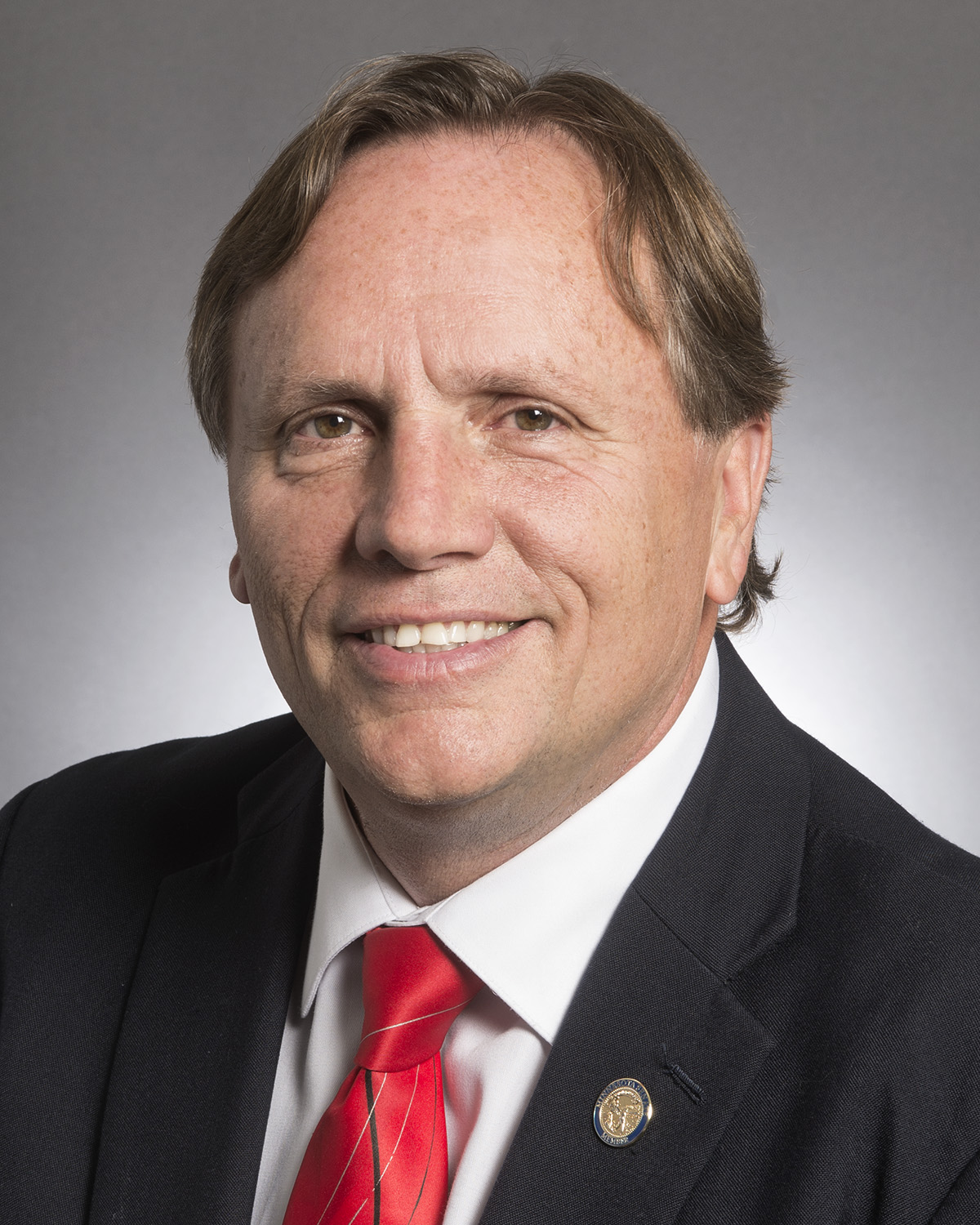
2025-2026 Regular Session Introduced by Jim Abeler and 2 co-sponsors

Minnesota bill requiring health insurance to cover augmentative and alternative communication devices for people with speech and language disabilities.

Comm report: To pass as amended and re-refer to Health and Human Services
0
WeVote Research Nonpartisan
Bill Summary · SF 1101

Legislative bill overview

SF 1101 requires health insurance plans in Minnesota to cover augmentative and alternative communication (AAC) systems—devices and software that help individuals with speech or language disabilities communicate. The bill mandates coverage for these devices and includes appropriations to support implementation and ensure access.

Why is this important

Individuals with conditions like cerebral palsy, autism, ALS, and stroke-related aphasia rely on AAC systems to communicate with family, access education, and participate in employment. Without insurance coverage, these devices—which can cost $5,000-$20,000+—remain inaccessible to many low- and middle-income Minnesotans, creating barriers to independence and social participation.

Potential points of contention

  • Insurance cost impact: Insurers may argue that mandatory AAC coverage increases premiums for all policyholders, though supporters counter that broader coverage reduces overall healthcare costs through improved outcomes
  • Device definition and scope: Disagreement over which devices qualify (high-tech only vs. low-tech options) and whether coverage includes ongoing software updates and maintenance
  • Prior authorization requirements: Tension between ensuring appropriate device matching and reducing bureaucratic delays for patients who need immediate communication access

Compiled from official sources — confirm details with the bill’s official record.

Sign in to ask a question.