

WeVote

Bill

Bill

AB 603

Asset forfeiture: human trafficking.

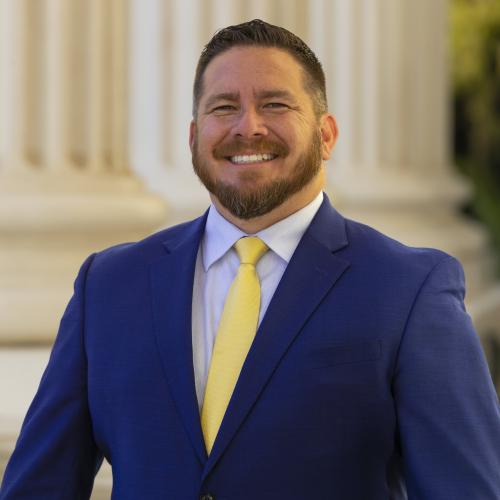
2025-2026 Regular Session Introduced by Juan Alanis

AB 603 would modify California asset forfeiture laws to strengthen law enforcement's ability to seize property connected to human trafficking crimes.

In committee: Set, first hearing. Hearing canceled at the request of author.
0
WeVote Research Nonpartisan
Bill Summary · AB 603

Legislative bill overview

AB 603 appears to propose modifications to California's asset forfeiture laws specifically in cases involving human trafficking. The bill would likely expand or clarify the circumstances under which law enforcement can seize assets connected to human trafficking offenses. This is a nascent bill still in early committee stages with limited publicly available details on its specific provisions.

Why is this important

Asset forfeiture is a significant enforcement tool that directly impacts criminal cases involving human trafficking, a serious felony with severe victim harm. The clarity and scope of forfeiture authority can affect both law enforcement's ability to dismantle trafficking operations and the procedural protections available to defendants and innocent parties whose assets may be seized.

Potential points of contention

  • Due process concerns: Asset forfeiture historically raises civil rights questions about whether property owners receive adequate opportunity to challenge seizures before funds are forfeited, particularly when owners claim lack of knowledge about criminal activity
  • Scope creep risk: Expanding forfeiture authority for one crime category could set precedent for broader seizure powers in other offenses, raising questions about proportionality and constitutional limits
  • Definition and application: The bill's specific triggers for forfeiture (what assets qualify, at what stage of investigation, with what evidence threshold) will determine whether it targets major trafficking operations or potentially overreaches into marginal cases

Compiled from official sources — confirm details with the bill’s official record.

Sign in to ask a question.