

WeVote

Bill

Bill

HB 13

APPROPRIATIONS: Limits the amount of money that may be appropriated in a fiscal year (Item #14) (EN SEE FISC NOTE GF EX)

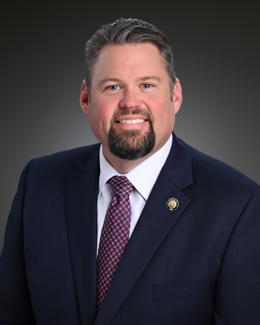
2024 Third Extraordinary Session Introduced by Adam Bass and 15 co-sponsors

HB 13 allows social workers to practice across state lines, improving access to services, reducing licensing burdens, and supporting military families during relocations.

Signed by the Governor. Becomes Act No. 14.
0
WeVote Research Nonpartisan
Bill Summary · HB 13

Summary of HB 13: Social Work Licensure Interstate Compact

Bill Information:
- Bill Number: HB 13
- Title: Social Work Licensure Interstate Compact
- Status: Now in Health Professions & Programs Subcommittee
- Introduced: September 15, 2025
- Classification: Bill
- Subject: Regulation of professions and occupations, torts

Purpose and Intent

The Social Work Licensure Interstate Compact aims to facilitate the interstate practice of regulated social workers. The primary goals of the compact are to improve public access to competent social work services, reduce the burden of holding multiple licenses, and enhance the ability of member states to protect public health and safety.

Key Provisions

  1. Creation of the Compact:

    • Establishes the Social Work Licensure Interstate Compact as a legal agreement among participating states.
  2. Objectives:

    • Increase access to social work services.
    • Reduce duplicative licensing requirements.
    • Enhance public health and safety protections.
    • Promote cooperation among states in regulating multistate practice.
    • Address workforce shortages by allowing mutual recognition of licenses.
    • Support military families by allowing them to maintain their home state designation during active duty.
  3. Licensure and Compact Privilege:

    • Specifies requirements for state participation and duties of member states.
    • Allows social workers to practice in member states with a compact privilege, provided they meet certain criteria.
    • Establishes procedures for the expiration and renewal of compact privileges.
  4. Regulatory Authority:

    • Member states retain regulatory authority to enforce their own laws and standards.
    • Licensees must adhere to the laws of the state in which they are practicing.
  5. Adverse Actions and Investigations:

    • Member states can take adverse actions against licensees and conduct joint investigations under specified circumstances.
    • Licensees facing disciplinary actions will have their compact privileges deactivated in all member states.
  6. Commission Establishment:

    • Creates the Social Work Licensure Compact Commission to oversee the compact's implementation and enforcement.
    • The commission will have powers to conduct meetings, manage finances, and handle disputes among member states.
  7. Data System Development:

    • Mandates the development of a data system for reporting licensure and disciplinary information among member states.
  8. Liability Protections:

    • Provides immunity from civil liability for certain individuals involved in the commission's activities.

Impact

  • Who is Affected:

    • Licensed social workers seeking to practice across state lines.
    • Member states that will participate in the compact.
    • Military personnel and their families who may relocate frequently.
  • Procedural Aspects:

    • The bill has been referred to multiple subcommittees, including Health Professions & Programs, Health Care Budget, and Health & Human Services.
    • The compact will require member states to adopt the provisions outlined in the bill, which will enhance the mobility of social workers and streamline the licensure process.

Conclusion

HB 13 represents a significant step towards modernizing the regulation of social work across state lines, aiming to improve access to services while maintaining public safety and professional standards. The bill is currently under consideration in the Health Professions & Programs Subcommittee, with further legislative actions anticipated.

Compiled from official sources — confirm details with the bill’s official record.

Sign in to ask a question.