

WeVote

Bill

Bill

HB 1416

Applying the affected market customer provisions of the Washington clean energy transformation act to nonresidential customers of consumer-owned utilities.

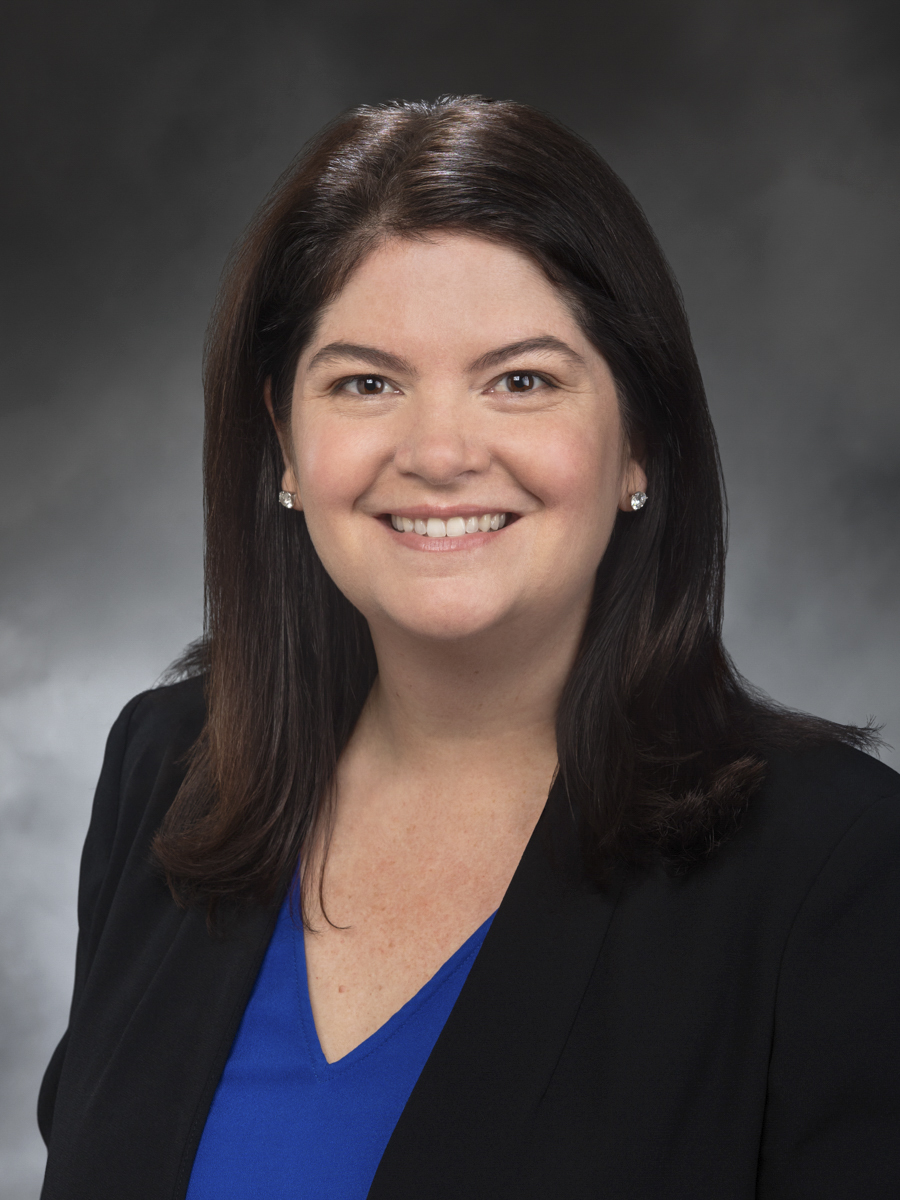
2023-2024 Regular Session Introduced by Liz Berry and 4 co-sponsors

Allows two charitable groups in towns of 1,200 or fewer to run two different games at the same site on the same day (up to 12 hours) with separate staff and non-commingled funds.

Effective date 7/23/2023.
0
WeVote Research Nonpartisan
Bill Summary · HB 1416

HB 1416 — North Dakota (2025) — Summary

Status: Introduced Nov 19, 2024; Judiciary Committee report (adopted Jan 22, 2025). Second reading — failed to pass (Apr 9, 2025: yeas 10, nays 36).
Primary sponsors (per committee report): Reps. Grueneich, Dockter, Dressler, Kasper, Koppelman, Louser, Vetter; Sen. Roers.

Main purpose and intent

Amend subsection 3 of North Dakota Century Code § 53‑06.1‑03 to permit, under defined conditions, two charitable organizations to conduct different types of charitable gaming at the same authorized site on the same day. The change is intended to provide more flexibility for fundraising in small communities while preserving safeguards against commingling of proceeds and underage participation.

Key provisions (what the bill would change)

  • Adds an express exception allowing two organizations to "consent to conduct two different types of games on the same day at the same site" for up to 12 hours per day if all three conditions are met:
    • The site is located in a city with population 1,200 or less.
    • Each organization employs its own staff for the event.
    • Gaming funds are not commingled (must be kept separate).
  • Retains existing language and exceptions that only one licensed organization may normally conduct games at an authorized site on a day, except:
    • Raffles or sports pools under a local permit may be run by another organization for a special occasion if the raffle area is physically separated, or if the regular organization requests and the attorney general approves a temporary suspension of the regular organization’s license for that time.
  • Preserves other subsection 3 requirements and limits, including:
    • Site limits for licensed organizations (generally max 15 sites, with certain grandfathered exceptions and temporary-site rules).
    • Hours restrictions (certain games only during hours alcoholic beverages may be dispensed).
    • Age restrictions for various games (e.g., under‑21 and under‑18 prohibitions depending on game).
    • Limit of ten electronic pull‑tab devices per site.
    • Grandfathering for organizations operating on Jan 1, 2023.
    • Raffle board sale rules (uniform price per square; sale up to 30 days before drawing).

Who would be affected

  • Charitable gaming organizations licensed or permitted under ND law — especially those in small cities (≤1,200 pop.) that may wish to co‑host or share a site.
  • Alcoholic beverage establishments that host gaming (approval/coordination may be needed).
  • Local regulators and the Attorney General’s office (oversight, approval of temporary suspensions, enforcement of non‑commingling and staffing requirements).
  • Local communities in small cities — potentially more fundraising activity or more events on single days.

Potential impacts and considerations

  • Practical effect: creates a narrow opportunity for two different charities to run distinct games concurrently or sequentially at the same location (up to 12 hours), increasing flexibility for fundraising in small communities.
  • Safeguards: staffing and non‑commingling requirements aim to reduce fraud or confusion over proceeds; enforcement will require oversight.
  • Limitations: population cap (≤1,200) restricts use to small municipalities; other statutory protections (age limits, device limits, site caps) remain.
  • Fiscal: minimal direct fiscal impact to state/local government described in the committee material; enforcement costs would depend on implementation and compliance.

Procedural / timeline notes

  • Bill introduced Nov 19, 2024; Judiciary Committee reported amendments Jan 22, 2025.
  • Failed second reading in the House (Apr 9, 2025), 10 yeas / 36 nays — bill did not advance into law.

Compiled from official sources — confirm details with the bill’s official record.

Sign in to ask a question.