

WeVote

Bill

Bill

HB 5209

Animals: cats; certain medical procedures for declawing a cat; prohibit. Amends 1978 PA 368 (MCL 333.1101 - 333.25211) by adding sec. 18830.

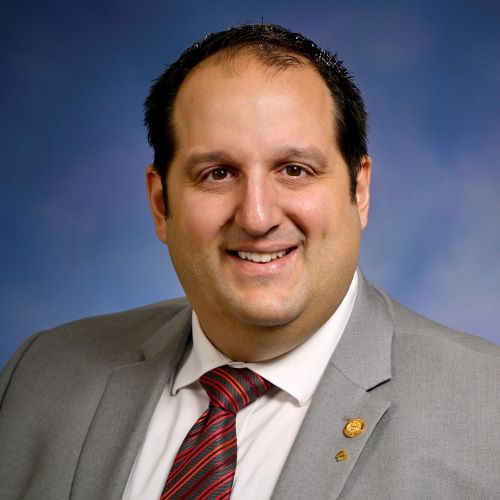
2025-2026 Regular Session Introduced by Joe Aragona and 14 co-sponsors

Michigan HB 5209 bans declawing and similar claw-altering surgeries on cats, allowed only for therapeutic medical necessity; vets must justify medical need; promotes alternatives.

bill electronically reproduced 11/04/2025
0
WeVote Research Nonpartisan
Bill Summary · HB 5209

Summary — HB 5209 (2025): Prohibition on Declawing and Similar Cat Procedures

Bill number: HB 5209
Title: Animals: cats; certain medical procedures for declawing a cat; prohibit. (Adds Sec. 18830 to 1978 PA 368 — Public Health Code)
Introduced: March 14, 2025 (Rep. Jimmie Wilson Jr.; multiple co-sponsors)
Status (as provided): Read/referred in 2025 (referred to Natural Resources and later Committee on Agriculture); bill electronically reproduced 11/04/2025.
Companion bill: SB 2499

Purpose / Intent

To prohibit veterinarians or other licensees from performing onychectomy (declawing) and other surgical procedures that disable normal claw/toe/paw function on domestic cats, except when the procedure is necessary to treat a medical condition that threatens the cat’s health.

Key provisions

  • Adds Section 18830 to the Public Health Code.
  • Prohibits any licensee from performing, by any means, on a cat any of the following unless done for a “therapeutic purpose”:
    • Onychectomy (declawing).
    • Partial or complete phalangectomy.
    • Tendonectomy.
    • “Any other surgical procedure that prevents normal functioning of the claws, toes, or paws.”
  • Defines terms:
    • “Cat” — domestic cat (Felis catus) or hybrids (explicitly includes examples such as savannah, Serengeti, Maine coon, Bengal, chausie).
    • “Therapeutic purpose” — a physical medical condition (illness, infection, disease, injury, or abnormal condition in the claw) that compromises the cat’s health. Explicitly excludes cosmetic, aesthetic, or convenience reasons.

Who is affected

  • Primary: licensed veterinary professionals (and any other “licensees” under the Public Health Code who perform medical procedures on animals).
  • Secondary: cat owners, animal shelters/rescues, breeders, animal control agencies, and pet-care businesses that advise on or arrange such procedures.
  • Geographic: State of Michigan (amendment to Michigan Public Health Code).

Enforcement / penalties / timeline

  • The text provided does not specify penalties, enforcement mechanisms, or an effective date. Enforcement would likely rely on existing licensing and disciplinary authorities under the Public Health Code unless further provisions are added.
  • Legislative actions show introduction and committee referrals in 2025; companion bill SB 2499 pending in the Senate.

Potential impacts / considerations

  • Would effectively end routine declawing and similar procedures in Michigan except for bona fide medical necessity.
  • May increase use of non-surgical alternatives (nail trimming, soft nail caps, behavioral modification).
  • Could require veterinarians to document medical necessity to justify an otherwise prohibited procedure.
  • Implementation details (penalties, recordkeeping, inspections) are not specified in the introduced text and may be addressed in committee or subsequent amendments.

Compiled from official sources — confirm details with the bill’s official record.

Sign in to ask a question.