

WeVote

Bill

Bill

HR 6408

ANCHOR Act of 2025

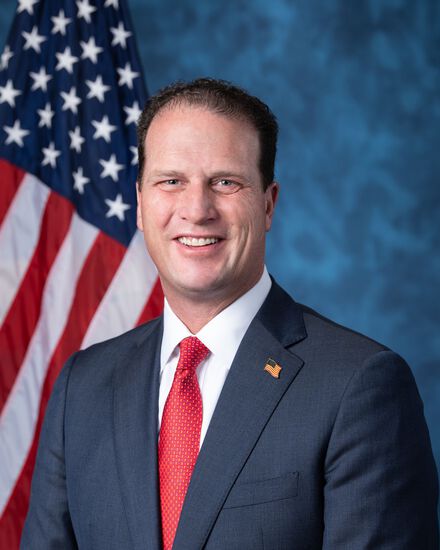
119th Congress Introduced by August Pfluger

Creates a new Medicaid option for uninsured, low-income individuals with SMI/SUD to receive coverage for 1 year, with care plans and quality reporting.

Introduced in House
0
WeVote Research Nonpartisan
Bill Summary · HR 6408

Summary of HR 6408 — ANCHOR Act of 2025

Purpose and intent

  • The Access to New Community Health Opportunities and Recovery Act of 2025 (ANCHOR Act) would amend Title XIX of the Social Security Act (Medicaid) to create a new state option for providing medical assistance to a defined group of individuals with serious mental illness (SMI) or substance use disorder (SUD).
  • The goal is to expand access to Medicaid-like coverage for certain uninsured, low-income people who have qualifying behavioral health conditions and to ensure coordinated care for this population.

Key provisions

  • New state option under Medicaid (Title XIX)

    • The bill adds a new category to the Medicaid eligibility framework (amending 42 U.S.C. 1396a(a)(10)(A)(ii)) to authorize a state option to cover “specified individuals” with SMI or SUD.
  • Definition of “Specified Individuals” (new subsection (uu) in §1902)

    • Eligibility criteria:
    • Uninsured individual (per existing definitions in the statute).
    • Income not exceeding 100% of the federal poverty line for the relevant family size.
    • Has been determined to have a qualifying condition by either a health care provider or a state-approved entity. Qualifying entities may include:
      • Emergency departments
      • Certified community behavioral health clinics (per statutory standards)
      • State-funded entities providing mental health or SUD services
      • Institutions for mental diseases (per relevant regulations)
      • State judicial, law enforcement, or child welfare agencies
    • Qualifying condition: Any of the following
    • Serious mental illness
    • Serious emotional disturbance
    • Opioid use disorder
    • Stimulant use disorder (including cocaine or methamphetamine)
    • Scope of benefits: Medical assistance for specified individuals would be provided in the same scope and manner as for individuals currently eligible under §1902(a)(10)(A)(i) (i.e., the standard Medicaid population).
  • Duration and renewals

    • Initial period of coverage for a specified individual: 1 year.
    • States may extend coverage in 1-year renewal periods, contingent on redetermination that the individual continues to be a “specified individual.”
  • Quality of care and accountability (ENFORCEMENT/COMPLIANCE)

    • States must require:
    • A care plan for each enrolled specified individual developed within 60 days of enrollment, created by an eligible provider or clinic (e.g., physician, PCP, ED, certified BH clinic, rural clinic, community health center, etc., as determined by the State).
    • Reporting of behavioral health measures for specified individuals using the Core Set of Adult Health Care Quality Measures for Medicaid (as referenced in §1139B).

Who would be affected

  • Uninsured individuals with income up to 100% of the poverty line who have a qualifying behavioral health condition (SMI, serious emotional disturbance, opioid use disorder, or stimulant use disorder) and who are determined to have such conditions by an eligible provider or state-approved entity.
  • States choosing to opt into this new Medicaid option, and the public and private providers serving these individuals (hospitals, EDs, BH clinics, clinics, and other designated entities).
  • Entities involved in care coordination and quality reporting under Medicaid.

Procedural and timeline aspects

  • Introduction and status: Introduced in the House on December 3, 2025. Referred to the House Committee on Energy and Commerce.
  • Legislative actions: Standard introductory step; no floor action or passage information provided in the current text.
  • Effective date: Not specified in the bill text provided; typically, Medicaid amendments contemplate some effective date after enactment with a possible transition period (not stated here).

If you’d like, I can add a comparison to current Medicaid coverage for individuals with SMI/SUD or outline potential fiscal implications based on standard Medicaid waivers and expansions.

Compiled from official sources — confirm details with the bill’s official record.

Sign in to ask a question.