

WeVote

Bill

Bill

HD 2062

An Act requiring automated external defibrillators at sporting events

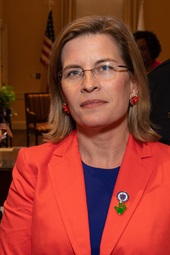
194th Legislature (2025-2026) Introduced by Marjorie Decker

The bill requires automated external defibrillators at all organized sporting events to improve emergency response and increase survival for individuals experiencing sudden cardiac arrest.

0
WeVote Research Nonpartisan
Bill Summary · HD 2062

Summary of HD 2062: An Act Requiring Automated External Defibrillators at Sporting Events

Overview

This proposed bill, introduced on November 29, 2025, would require the presence of automated external defibrillators (AEDs) at all organized sporting events and competitions in the state. The primary intent is to improve emergency medical response and increase the chances of survival for individuals who suffer sudden cardiac arrest during sporting activities.

Key Provisions

The main components of the bill include:

  1. AED Requirement: All venues hosting organized sporting events, competitions, and practices must have at least one working AED device on-site and accessible during the event.

  2. AED Training: Event organizers and staff must ensure that a minimum of two individuals per event are trained in the proper use and deployment of AEDs.

  3. Signage and Accessibility: Clear signage identifying the location of AEDs must be displayed, and the devices must be easily accessible in the event of a medical emergency.

  4. Exemptions: Small, informal recreational activities may be exempt from the AED requirement if they do not meet certain size or participation thresholds.

  5. Enforcement: Failure to comply with the AED requirements could result in fines or the revocation of permits to host sporting events.

Impact

The bill aims to address the risk of sudden cardiac arrest, which can occur unexpectedly during physical activity. By mandating the availability of AEDs at sporting events, the legislation seeks to:

  • Improve emergency response times and increase the chances of survival for individuals experiencing cardiac emergencies
  • Provide peace of mind and a safer environment for participants, spectators, and staff at sporting events
  • Encourage broader AED adoption and training within the community
  • Potentially reduce liability concerns for event organizers and venue owners

Timeline and Next Steps

If passed, the bill would come into effect 6 months after the date of enactment, allowing event organizers and venues time to acquire the necessary AED equipment and train staff. The state's Department of Public Health would be responsible for developing and enforcing the specific regulations and guidelines for compliance.

Compiled from official sources — confirm details with the bill’s official record.

Sign in to ask a question.