

WeVote

Bill

Bill

HD 1389

An Act relative to stop fraudulent representation of business against performers

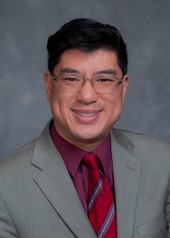
194th Legislature (2025-2026) Introduced by Tackey Chan

Creates Massachusetts Chapter 93M to ban advance-fee fraud against performers; empowers AG to seek injunctions and 93A relief, protecting artists from scams.

0
WeVote Research Nonpartisan
Bill Summary · HD 1389

Summary of Bill HD 1389 — An Act relative to stop fraudulent representation of business against performers

Overview

  • Bill Number: HD 1389
  • Title: An Act relative to stop fraudulent representation of business against performers
  • Filed: January 14, 2025 (House Docket No. 1614)
  • Primary sponsor: Representative Tackey Chan (Quincy)
  • Scope: Creates a new Chapter 93M in the Massachusetts General Laws to bar fraudulent employment representations to performing artists and provide enforcement and remedies
  • Status: Not specified in the provided text; similar matter previously filed in 2023-2024 (House No. 1414)

Purpose and intent

The bill aims to protect performing artists from fraudulent representations by individuals or entities that solicit employment in the arts and entertainment field in exchange for advance fees. It seeks to deter scams, provide swift enforcement options, and empower artists with recourse under existing consumer protection law.

Key provisions

Section 1 — Prohibited conduct

  • Establishes Chapter 93M: Fraudulent Representation of Business Against Performing Artists.
  • Applies to any person, firm, corporation, association, or agent/employee representing a connection to the arts/entertainment industry (e.g., talent agent, manager, casting director, publicist, promoter).
  • Prohibits:
    • Advertising or soliciting employment in show business in return for an advance fee (preconditions for employment), including opportunities across theatre, film, radio, TV, modeling, Internet-based projects, etc.
    • Accepting from a member of the public any fee, retainer, advance, or other compensation for services, except:
    • Reimbursement of advances/expenses actually incurred, or
    • Agreed commissions, royalties, or similar compensation tied to payments received for employment.

Section 2 — Injunctive relief and enforcement

  • The Attorney General may bring an action to enjoin and restrain continued violations, with at least five days’ notice to the Attorney General.
  • A court may issue an injunction without requiring proof of actual injury.
  • The Attorney General may pursue additional criminal actions beyond Chapter 93M if warranted.

Section 3 — Recourse under Chapter 93A

  • Individuals harmed by unlawful actions may seek relief under Chapter 93A (Massachusetts consumer protection law).
  • Any contract or contact arising under these actions is unenforceable except as it pertains to 93A rights and remedies.

Section 4 — Administrative rules and public information

  • The Attorney General must establish implementing regulations for Chapter 93M.
  • Regulations to include:
    • Methods to disseminate information about fraudulent entities to the public
    • Procedures for filing complaints
    • Publication of safety guidelines and individuals’ legal rights when pursuing work in the industry

Who is affected

  • Targeted: Individuals, firms, corporations, associations, or agents/employees presenting themselves as connected to the arts/entertainment industry and engaging in advance-fee practices.
  • Beneficiaries: Performing artists and others seeking employment in entertainment who could be victims of advance-fee scams.
  • Government/Enforcement: Massachusetts Attorney General, with powers to seek injunctions and criminal action.

Procedural and timeline notes

  • Creates a new chapter (Chapter 93M) to be applied to fraudulent representation in show business.
  • The AG is charged with adopting rules/regulations, including complaint mechanisms and public guidance.
  • No specific effective date is stated in the provided text; implementation would depend on enactment and regulatory adoption.

Related context

  • Similar matter previously filed in a prior session (House No. 1414, 2023-2024), indicating ongoing legislative interest in addressing fraud against performers.

Compiled from official sources — confirm details with the bill’s official record.

Sign in to ask a question.