

WeVote

Bill

Bill

H 779

An act relating to updating the Flexible Pathways Initiative

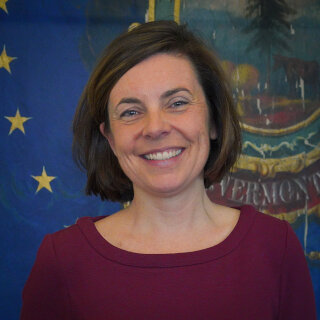
2025-2026 Regular Session Introduced by Erin Brady and 2 co-sponsors

H. 779 modernizes Vermont’s Flexible Pathways to expand eligible routes (work-based learning, dual enrollment, competency-based progress) and update funding, governance, and outcom

Read first time and referred to the Committee on Education
0
WeVote Research Nonpartisan
Bill Summary · H 779

Summary of Bill H. 779 (2025-2026) — Vermont

Purpose and intent

H. 779 is titled an act relating to updating the Flexible Pathways Initiative. The bill aims to revise and expand Vermont’s Flexible Pathways framework, which is designed to provide students with adaptable routes to meet postsecondary and workforce readiness goals. The goal is to update program design, eligibility, outcomes, and implementation processes to reflect current educational needs and labor market demands.

Key provisions and changes

  • Program updates and scope
    • Revisions to the Flexible Pathways Initiative to modernize its structure, governance, and implementation.
    • Potential expansion of eligible pathways beyond traditional coursework to include innovative options such as work-based learning, dual enrollment, early college experiences, and competency-based progression where applicable.
  • Eligibility and participation
    • Clarifications or adjustments to which students, programs, and institutions may participate (e.g., K-12 schools, career and technical education centers, postsecondary partners).
    • Possible alignment with statewide education and workforce development goals, ensuring equitable access across regions and student populations.
  • Funding and resources
    • Allocation or reallocation of state resources to support flexible pathways (grants, grants management, or line-item funding within education budgets).
    • Requirements for program oversight, reporting, and accountability to ensure funds are used effectively.
  • Student outcomes and accountability
    • Metrics or reporting requirements to track student achievement, completion of pathways, credentials earned, and postsecondary enrollment or employment outcomes.
    • Assessment of program impact on equity, accessibility, and the closing of achievement gaps.
  • Administration and governance
    • Possible changes to the administrative body responsible for Flexible Pathways (e.g., designation of lead agency, advisory councils, or interagency collaboration).
    • Procedures for rulemaking, program evaluation, and stakeholder engagement during implementation.

Who is affected

  • Students: Vermont students who participate in Flexible Pathways, including pathways that may lead to college credit, industry credentials, apprenticeships, or direct workforce entry.
  • Educational providers: K-12 districts, supervisory unions, career and technical centers, colleges, universities, and other postsecondary partners participating in or coordinating flexible pathways.
  • Educators and administrators: School leaders, guidance counselors, and program coordinators responsible for designing, guiding, and monitoring pathway options.
  • State agencies and partners: State Department of Education and collaborating agencies involved in education, workforce development, and funding administration.

Procedural and timeline aspects

  • Legislative process to date: Read first time and referred to the Committee on Education on 2026-01-27.
  • Next steps: The bill will undergo committee hearings, potential amendments, and votes in the Vermont General Assembly. If advanced, it may proceed to second and third readings and onward to the governor for signature or veto.
  • Implementation timeline (if enacted): Multiyear planning may be anticipated, with phased implementation for program design changes, funding distribution, and performance reporting. Specific dates and milestones would be outlined in the final enacted text or related budget legislation.

Additional notes

  • The bill lists three co-sponsors: Leanne Harple, Ela Chapin, and Erin Brady, indicating bipartisan or cross-sponsor support within the chamber.
  • As of the available action history, the content reflects initial committee referral rather than final enactment language. Readers should consult the enacted bill text and any committee reports for precise provisions, definitions, and numerical targets.

If you’d like, I can tailor this summary to highlight particular provisions once the final bill text is available or add a glossary of key terms related to Flexible Pathways.

Compiled from official sources — confirm details with the bill’s official record.

Sign in to ask a question.