

WeVote

Bill

Bill

H 126

An act relating to universal basic income payments for youth exiting foster care

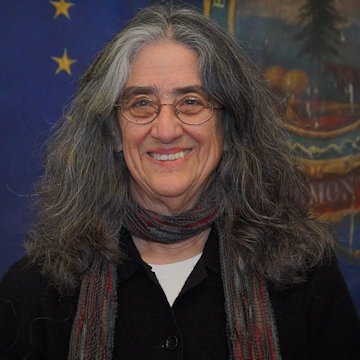
2025-2026 Regular Session Introduced by Leslie Goldman

Provide universal basic income to youth aging out of foster care to support independent living and long-term stability.

Read first time and referred to the Committee on Human Services
0
WeVote Research Nonpartisan
Bill Summary · H 126

Overview

H.126 (2025-2026, Vermont) proposes universal basic income (UBI) payments for youth aging out of foster care. The bill aims to provide ongoing financial support to formerly in-care youth to assist with transition to independent living, stability, and long-term well-being.

Purpose and Intent

  • Establish universal basic income payments for individuals exiting the foster care system.
  • Recognize the financial vulnerability of youth aging out of care and address gaps in support that can affect housing, education, employment, health, and overall stability.
  • Create a sustained, predictable source of income for eligible youths to facilitate successful transition to adulthood.

Key Provisions

  • Eligibility: Youth who are exiting or have exited the foster care system within a defined time frame would be eligible for UBI payments. (Exact age range and qualification criteria to be defined in the bill text.)
  • Payment Amount: The bill specifies a monthly or periodic income amount to be disbursed to eligible individuals. The exact dollar figure and whether it adjusts for cost of living or other factors would be detailed in the bill.
  • Duration: The payments are designed to continue for a specified period after exit (e.g., until a certain age or a set number of years post-exit). The bill may also include provisions for potential renewal or termination conditions.
  • Administration: The program would be administered by a designated state agency (likely the Department for Children and Families or a related human services department), including application procedures, eligibility verification, and ongoing case management or outreach.
  • Funding: Sources and funding mechanisms for the UBI program, including state funding, potential federal matching, or reallocations, would be outlined.
  • Coordination: Integration with existing services for former foster youth (housing assistance, education and training vouchers, healthcare, employment supports) to ensure a comprehensive support framework.
  • Reporting and Evaluation: Requirements for oversight, performance metrics, and periodic reporting to the legislature on outcomes, budgetary impact, and program effectiveness.

Who Would Be Affected

  • Youth aging out of foster care who qualify for the program.
  • State agencies responsible for foster care, social services, workforce development, housing, and education benefits.
  • Service providers and social workers engaging with former foster youth, who may refer eligible individuals to the program.

Procedural and Timeline Aspects

  • Action History: Read first time and referred to the Committee on Human Services on January 30, 2025.
  • Next Steps: Committee review, hearings, and potential amendments. If advanced, the bill would proceed to the floor for debate, possible passage, and alignment with the state budget cycle.
  • Implementation Considerations: Likely development of implementing regulations, enrollment timelines, and transition plans for current youth nearing exit.

Potential Impacts and Considerations

  • Economic Stability: A predictable income could reduce housing insecurity, improve educational attainment, and support health outcomes for former foster youth.
  • FiscalImpact: The program would require ongoing state funding; cost estimates and potential federal support would be important for planning.
  • Equity and Access: Ensuring universally accessible qualifications while avoiding unnecessary bureaucratic barriers.
  • Interagency Coordination: Success depends on coordination across housing, education, health, and employment services.

Note: The summary reflects the information available in the bill header. For precise eligibility criteria, payment amounts, duration, and funding details, the full bill text and fiscal notes will provide the definitive figures and legislative language.

Compiled from official sources — confirm details with the bill’s official record.

Sign in to ask a question.