

WeVote

Bill

Bill

HB 724

AN ACT relating to transportation.

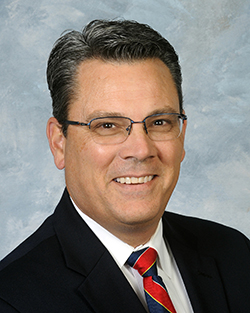
2026 Regular Session Introduced by Ken Upchurch

Strengthens county clerks’ control over motor vehicle registrations, plate distribution, and weekly financial reporting to the state, improving accountability and data accuracy.

to Transportation (H)
0
WeVote Research Nonpartisan
Bill Summary · HB 724

Summary of HB 724 (2026RS) — AN ACT relating to transportation (Kentucky)

Purpose and intent

  • The bill makes amendments to Kentucky's motor vehicle registration and licensing framework, with a focus on:
    • Clarifying and delegating administrative duties to county clerks in enforcing registration-related statutes.
    • Modifying refund rules for destroyed vehicles.
    • Adjusting penalties, reporting requirements, and lien processes related to registration receipts, plates, and fees.

Key provisions and changes

1) County clerk duties and procedures (amendment to KRS 186.230)
- County clerks are responsible for enforcing KRS Chapters 186.005 to 186.260 within their county.
- Specific duties include:
- Accepting all applications per the statute.
- Issuing receipts on blanks provided by the Transportation Cabinet.
- Collecting fees due to the state.
- Distributing registration plates supplied by the Transportation Cabinet and Department of Vehicle Regulation; maintaining a public registration record for the county.
- Reporting and remitting weekly to the Transportation Cabinet all monies collected in the previous week, with duplicate receipts.
- Providing duplicates of receipts to the state; penalties (1% per month or fraction) apply if remittance is late (with limited extensions up to 10 days upon prior request).
- Mailing duplicates of receipts to the Transportation Cabinet within two weeks; receipts related to commercial vehicles may be used by the Department of Vehicle Regulation to assimilate data.
- Accounting to the Transportation Cabinet for plates and receipt forms and notifying the cabinet of potential plate shortages.
- Lien on a vehicle if a county clerk accepts an unhonored (non-sufficient funds) check for taxes/fees; this lien is subordinate to prior perfected liens.
- Prohibition on selling/trading/transferring ownership of a vehicle if a lien exists (as evidenced to the clerk).
- Restrictions on issuing registration plates to manufacturers or dealers, except under specific conditions for U-Drive-It permits and dealer registrations, and clarifying when dealer plates may be used.

2) Refunds for destroyed vehicles (amendment to KRS 186.120)
- Refund eligibility for license taxes when a vehicle is destroyed by fire or accident and becomes useless:
- For non-commercial vehicles: refund is proportional to the unused portion of the registration period.
- For commercial vehicles: refund is proportional to the remaining full quarters of the unexpired period.
- Application process for refunds:
- Owner must apply to the Transportation Cabinet with an affidavit and affidavits from two reputable persons attesting to destruction and manner of destruction.
- Original license plates must be returned to the Transportation Cabinet.
- The Cabinet reviews the claim; if valid, it approves payment. The Finance and Administration Cabinet then issues a warrant drawn on the State Treasurer in favor of the owner, with the amount charged to the state road fund.

Who is affected

  • County clerks: Responsible for administering registrations, receipts, plate distribution, reporting/remittance, lien enforcement, and restrictions on dealer plates under the amended framework.
  • Transportation Cabinet (and Department of Vehicle Regulation): Coordinates issuance blanks, plates, data assimilation, refunds, and oversight of receipts and payments.
  • Vehicle owners: Potential refunds for destroyed vehicles; required to provide affidavits and return license plates when claiming refunds.
  • Dealers/manufacturers: Subject to plate issuance limitations and dealer assignment rules; allowances for U-Drive-It permits under certain conditions.
  • Finance and Administration Cabinet and State Treasurer: Involved in processing and disbursing refunds via warrants, funded from the state road fund.

Procedural and timeline aspects

  • Weekly reporting: Clerks must report and remit weekly, with a 7-day deadline for remittance; potential 1% monthly penalties, extendable up to 10 days upon request before the end of the seven-day period.
  • Penalties and extensions: Administrative penalties and discretionary extensions are structured to ensure timely remittance and accounting.
  • Refund processing timeline: Once approved, refunds are issued via a warrant from the Finance and Administration Cabinet, charged to the state road fund.
  • Documentation requirements: Refund claims require affidavits from the vehicle owner and two reputable witnesses and return of license plates.

Practical impact

  • The bill strengthens and codifies county-level administrative responsibilities for motor vehicle registrations, plate distribution, and financial reporting, potentially enhancing accountability and data accuracy.
  • It introduces or clarifies lien priority related to returned checks, which could affect collection leverage for unpaid fees.
  • It clarifies the process and eligibility for refunds when vehicles are destroyed, potentially reducing waste and ensuring owners recover appropriate portions of the registration tax.
  • Dealers and manufacturers face tighter controls on plate issuance, with specified exceptions for U-Drive-It operations.

Compiled from official sources — confirm details with the bill’s official record.

Sign in to ask a question.