

WeVote

Bill

Bill

H 276

An act relating to the designation of State wildlands

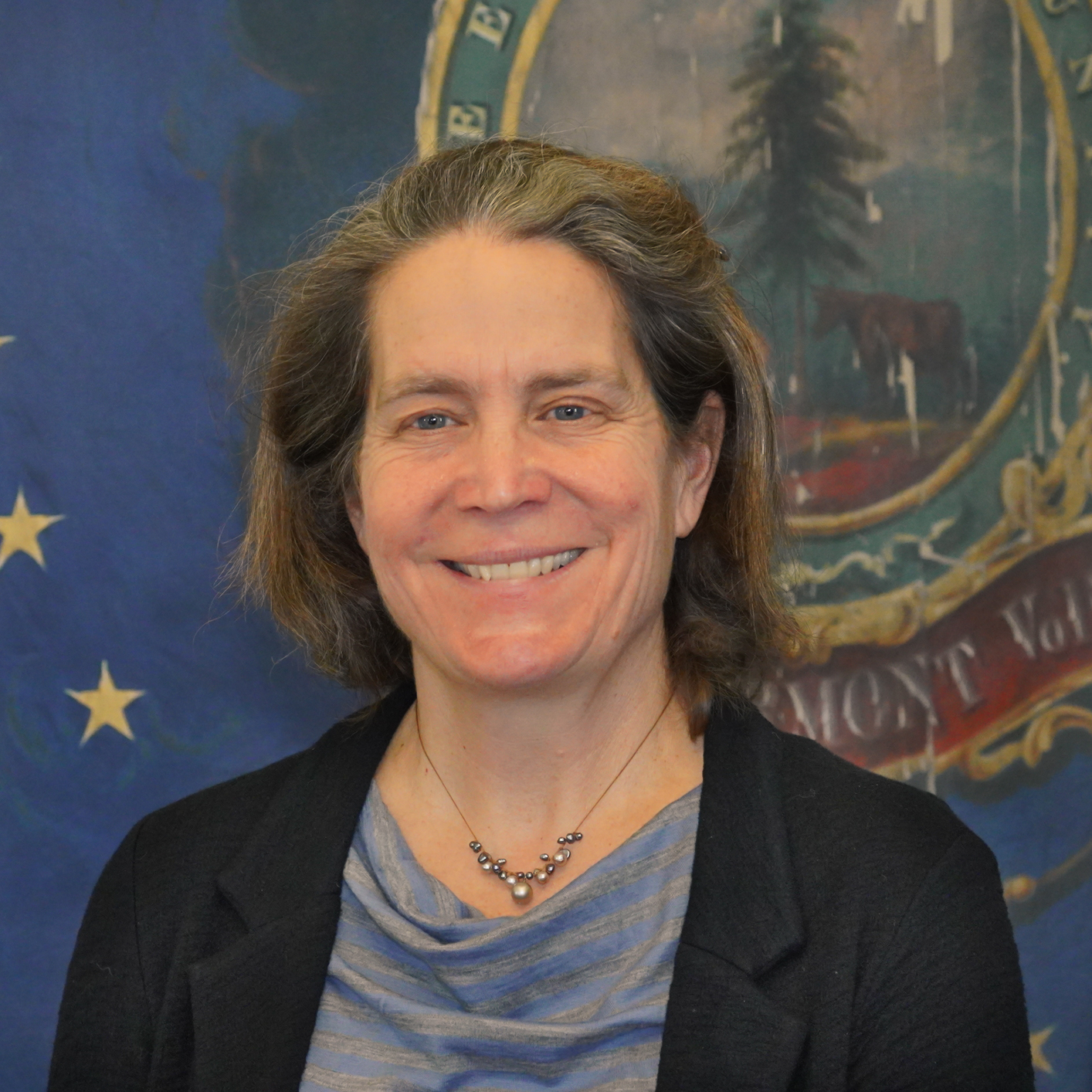
2025-2026 Regular Session Introduced by Amy Sheldon

H.276 would create a formal framework to designate Vermont State wildlands, defining criteria, designation processes, and protections to conserve ecological integrity while allowin

Read first time and referred to the Committee on Environment
0
WeVote Research Nonpartisan
Bill Summary · H 276

Overview

H.276, introduced in the Vermont House and referred to the Committee on Environment, is an act relating to the designation of State wildlands. The bill seeks to define and establish a framework for designating certain lands within Vermont as State wildlands. It is sponsored by Rep. Amy Sheldon (with a listed co-sponsor) and has been reviewed in hearings by the House Committee on Environment during the 2025-2026 session.

Purpose and intent

  • Establish a formal process and criteria for designating specific lands as State wildlands.
  • Recognize and preserve areas with high conservation value, ecological integrity, and low-impact to maintain native biodiversity and natural processes.
  • Create a structured approach to public land management that prioritizes conservation while addressing uses compatible with wildland designation.

Key provisions and changes (proposed)

  • Definition: The bill would define what constitutes a State wildland, including criteria such as ecological significance, conservation goals, and protection of natural processes.
  • Designation process: Establish a procedural framework for identifying, evaluating, and designating eligible lands as wildlands. This likely includes designation decisions by a state agency or through formal legislative action, and may involve coordination with environmental organizations and stakeholders.
  • Management and protections: Outline management objectives and protections for designated wildlands, potentially restricting activities that could degrade ecological integrity (e.g., certain development, resource extraction, or disruptive uses), while allowing permissible uses aligned with conservation goals.
  • Use and access: Clarify permitted and restricted uses within designated areas to balance public access, recreation, and conservation needs.
  • Agency role: Assign responsibilities to relevant state agencies (e.g., Department of Forests, Parks and Recreation) for monitoring, enforcement, and reporting on designated wildlands.
  • Reporting and oversight: Include reporting requirements on designation status, boundaries, and management outcomes; possibly provide for periodic review or sunset/renewal provisions.

Who would be affected

  • Lands: Specific state lands proposed for designation as wildlands, and the management practices applied to those lands.
  • State agencies: Agencies responsible for land management and enforcement (e.g., Department of Forests, Parks and Recreation) would implement designations and protections.
  • Stakeholders: Environmental organizations, timber/hunting communities, recreationists, local governments, and private landowners adjacent to designated wildlands could be affected by land-use restrictions, access rules, and management plans.
  • Public use: Potential changes in recreational access, development restrictions, and natural resource extraction activities within designated areas.

Procedural and timeline aspects

  • Introduction and first reading: February 19, 2025, with referral to the House Committee on Environment.
  • Committee process: The bill has been the subject of multiple hearings and discussions from April 2025 through January 2026, indicating ongoing consideration and refinement.
  • Stakeholder engagement: Testimony from academics, conservationists, forestry interests, logging contractors, state officials, and international perspectives (e.g., UN program representative) suggests broad consultation and debate on designations and implications.
  • Next steps: If advanced by the Committee, the bill would proceed to further readings and potential floor action, with the possibility of amendments shaping the designation criteria, protections, and implementation timeline.

Summary

H.276 aims to create a formal framework for designating State wildlands in Vermont, establishing criteria, a designation process, and management protections designed to conserve ecological integrity while addressing permissible uses. The bill would impact designated lands, related state agencies, and a broad set of stakeholders by regulating activities within these wildlands and guiding conservation-oriented land management. The Legislature has engaged in extensive committee discussion through 2025 and early 2026 as part of refining the proposal.

Compiled from official sources — confirm details with the bill’s official record.

Sign in to ask a question.