

WeVote

Bill

Bill

H 322

An act relating to social worker licensure requirements

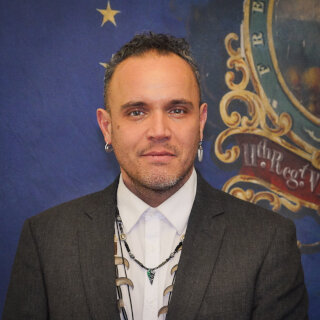
2025-2026 Regular Session Introduced by Brian Cina and 1 co-sponsor

The bill would establish standardized licensure requirements for social workers in Vermont to ensure qualified professionals provide services.

Read first time and referred to the Committee on Government Operations and Military Affairs
0
WeVote Research Nonpartisan
Bill Summary · H 322

Overview

H.322 (2025-2026) of Vermont, titled An act relating to social worker licensure requirements, proposes changes to the licensure framework for social workers within the state. The bill is sponsored by Rep. Barbara Rachelson and Rep. Brian Cina and was read for the first time and referred to the House Committee on Government Operations and Military Affairs on February 25, 2025.

Main purpose and intent

  • Establish and modify licensure requirements for social workers practicing in Vermont.
  • Aim to create a standardized credentialing pathway to ensure qualified professionals provide social work services.
  • Potentially address gaps in professional standards, public safety, and uniform practice guidelines for social workers.

Key provisions and changes (as indicated by the bill’s title and status)

Because the provided information does not include the full text, the following are anticipated areas typically covered by social worker licensure bills and should be confirmed by reviewing the bill text:

  • Definitions and scope
    • Clarification of who is considered a social worker for licensure purposes (e.g., licensed clinical social workers, clinical social workers, social work associates, and other related roles).
  • Licensure requirements
    • Educational prerequisites (e.g., accredited social work degree).
    • Examination requirements (e.g., national or state licensure exams).
    • Supervised practice hours or experience requirements for initial licensure.
    • Background checks or fingerprinting, if applicable.
  • Licensure categories and levels
    • Distinction between different levels (e.g., licensed social worker, licensed clinical social worker, licensed master social worker) and corresponding qualifications.
  • Professional standards and ethics
    • Adoption of professional standards, ethics codes, and Continuing Education (CE) requirements.
  • Renewal and supervision
    • Periodic renewal processes, fees, and ongoing supervision or continuing education mandates.
  • Scope of practice
    • Defined activities and settings where licensed social workers may practice, including any restricted practices for certain licensure levels.
  • Enforcement and discipline
    • Grounds for disciplinary action, processes for complaints, and penalties for violations.
  • Reciprocity and out-of-state practice
    • Provisions to allow license transfer or temporary practice for social workers licensed in other jurisdictions.
  • Administrative structure
    • Creation or empowerment of a state board or regulatory body to issue licenses, oversee discipline, and administer the licensure program.

Who would be affected

  • Individuals seeking to practice social work in Vermont, including:
    • Students and graduates of social work programs aiming for licensure.
    • Current social workers who may need to meet new licensure requirements or renewals.
    • Social service agencies and employers who employ licensed and unlicensed practitioners.
  • Educational institutions offering social work programs (to align curricula with licensure standards).
  • Regulatory and governmental agencies responsible for professional licensing and discipline (likely under the Department or a designated Board/Committee within Government Operations and Military Affairs).

Procedural and timeline aspects

  • Initial action: Read first time and referred to the House Committee on Government Operations and Military Affairs on February 25, 2025.
  • Next steps (typical for Vermont bills): committee hearings, potential amendments, votes in committee, and then floor consideration by the House, potential Senate action, and final gubernatorial consideration.
  • Implementation timing would depend on the bill’s amendments and the legislative timetable, including any effective dates for new licensure requirements, grace periods for current practitioners, and transition provisions.

Additional notes

  • The available information does not include the bill’s full text or specific numerical requirements (such as exact education, examination, or CE percentages). For precise details on the licensure thresholds, renewal intervals, and enforcement mechanisms, the bill’s full language and any fiscal notes or impact statements should be consulted once released by the Vermont Legislature.
  • Sponsors are Rep. Barbara Rachelson and Rep. Brian Cina, with a listed co-sponsor. The committee of reference is Government Operations and Military Affairs, indicating a focus on regulatory framework and administrative procedures.

Compiled from official sources — confirm details with the bill’s official record.

Sign in to ask a question.