

WeVote

Bill

Bill

HB 7879

AN ACT RELATING TO PUBLIC UTILITIES AND CARRIERS -- THERMAL ENERGY NETWORK AND JOBS ACT

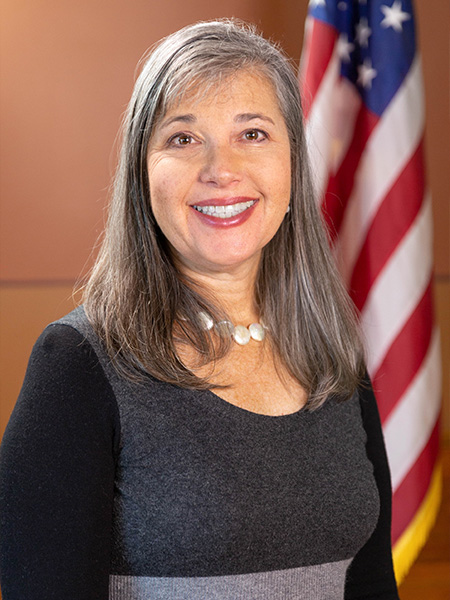
2026 Regular Session Introduced by Jennifer Boylan and 4 co-sponsors

Rhode Island will study and pilot thermal energy networks with regulated cost recovery, prioritizing GHG reductions, environmental justice, and ratepayer protections.

06/24/2026 Effective without Governor's signature
0
WeVote Research Nonpartisan
Bill Summary · HB 7879

Summary of HB 7879 (Rhode Island, 2026) — Thermal Energy Network and Jobs Act

Purpose and aim

  • Establishes a framework to study and potentially implement thermal energy networks in Rhode Island.
  • Seeks to support greenhouse gas reductions, environmental justice, and a just transition by exploring utility-scale and community-scale thermal energy systems as alternatives or complements to traditional heating and cooling.
  • Creates an advisory structure (a task force) to evaluate feasibility studies and any pilot projects, guiding state planning and regulatory actions.

Key provisions and changes

  • New Chapter: 39-36 (Thermal Energy Network and Jobs Act)

    • Defines key terms (environmental justice focus area, public-private partnerships, public right-of-way, public utility, thermal energy, thermal energy network).
    • Prohibits general authority over service territory for network ownership; project-specific approval required for utilities to own/operate networks. Utilities can own/operate networks for selling/distributing thermal energy subject to regulatory approval.
  • Feasibility studies and cost recovery (39-36-4)

    • Utilities must identify 2–12 potential locations for feasibility studies within 12 months of enactment; commence at least two feasibility studies within 18 months.
    • Require at least one study to benefit an environmental justice focus area.
    • Evaluation criteria include greenhouse gas reductions, cost-effectiveness, engineering/design needs, O&M requirements, ownership dynamics, and benefits to disadvantaged communities.
    • A diverse initial list of study locations is specified (e.g., Port of Providence, hospitals, URIs, Aquidneck Island, etc.).
    • All reasonably incurred costs are recoverable by the utility, with a duty to pursue non-ratepayer funding (federal/state grants, subsidized loans, tax credits). Any outside funding must offset recoverable costs.
    • The PUC may authorize use of existing Demand-Side Management (DSM) charges for planning, design, and construction.
    • Utilities may leverage state funds (OER, RIIB) and federal technical assistance; OER Lead-by-Example funds may support feasibility/engineering studies.
  • Pilot project (39-36-5)

    • If a feasibility study shows feasibility, utilities may propose a pilot to the PUC.
    • PUC to approve cost recovery for pilots that provide net benefit to ratepayers, considering GHG reductions, cost-effectiveness, external funding, benefits to environmental justice communities, and full exploration of non-ratepayer funding.
    • Pilot projects require PUC approval and cost recovery approval, with conditions if external funding is insufficient.
    • Utilities in natural gas distribution may own/operate thermal energy networks for selling/distributing energy, but alone does not grant broader service territory authority.
  • Regulation and implementation (39-36-6 to 39-36-8)

    • The General Assembly recognizes thermal energy networks as essential infrastructure aligned with climate goals and just transition.
    • PUC to adopt rules within 18 months addressing market access, cost-effectiveness criteria, rate design, worker transition, and equitable cost recovery.
    • A task force is established to advise on deployment and coordination, with quarterly meetings and a 12-member composition.
  • Thermal energy network taskforce (39-36-7)

    • 12 members appointed by the PUC, including state energy and utility officials, labor representatives, and diverse stakeholder representatives (environmental justice, engineering, planning, and labor unions).
    • Taskforce duties include evaluating feasibility results, identifying funding, recommending pilot locations/models, and creating a statewide deployment framework.
    • Required written reports to PUC, DEM, OER, and the General Assembly within 18 months after feasibility results are complete; expires 6 months after delivering the final report unless extended.
  • Severability and effective date

    • Provisions are severable.
    • Act takes effect upon passage.

Who is affected

  • Public utilities (electric and natural gas distributors) would engage in feasibility studies, potential pilots, and possible future deployment of thermal energy networks.
  • State agencies (PUC, DEM, OER, RI Infrastructure Bank) involved in regulation, guidance, and funding.
  • Environmental justice communities and other stakeholders via the taskforce and focus area considerations.
  • Labor and trades, with emphasis on workforce transition opportunities related to fossil-fuel industry decline.

Timeline snapshots

  • Study location identification: within 12 months of enactment.
  • Initiation of feasibility studies: within 18 months.
  • PUC rulemaking: within 18 months.
  • Taskforce reporting: within 18 months after feasibility results are complete; taskforce expires 6 months after report unless extended.

Overall, HB 7879 sets up a structured process to study, pilot, and regulate thermal energy networks as a means to achieve climate and equity goals while protecting ratepayers and prioritizing environmental justice.

Compiled from official sources — confirm details with the bill’s official record.

Sign in to ask a question.