

WeVote

Bill

Bill

HB 7890

AN ACT RELATING TO PUBLIC UTILITIES AND CARRIERS -- PUBLIC UTILITIES COMMISSION -- THE EQUITABLE PARTICIPATION IN UTILITY REGULATION ACT

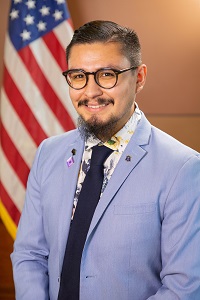
2026 Regular Session Introduced by David Morales and 3 co-sponsors

HB 7890 creates a funded intervenor compensation program to subsidize eligible individuals and groups for legal, expert, and related costs to ensure equitable participation in Rhod

04/28/2026 Committee recommended measure be held for further study
0
WeVote Research Nonpartisan
Bill Summary · HB 7890

Summary of HB 7890 (Rhode Island, 2026) – The Equitable Participation in Utility Regulation Act

Purpose and intent

  • Establish an intervenor compensation program to financially assist individuals and organizations that participate in certain public utility and energy siting proceedings.
  • Ensure more equitable participation in regulatory processes by offsetting legal and expert costs for intervenors who otherwise face significant financial hardship.

Key provisions and changes

Intervenor compensation program (Public Utilities Commission)

  • Creates an "intervenor compensation special fund" within the Rhode Island Public Utilities Commission (PUC) to subsidize eligible intervenors.
  • Eligible costs covered:
    • Legal fees
    • Expert witness fees
    • Other reasonable costs associated with participation (preparation, consultation, etc.)
    • Includes costs of obtaining an award and pursuing judicial review, if applicable.
  • Grant mechanics:
    • Base grant: $50,000, adjustable every five years by the consumer price index (CPI).
    • Allocation: Up to 10% of the grant may be used for non-legal or non-expert witness costs.
    • Grants are strictly for PUC proceedings (not eligible for use in judicial appeals of board/final decisions).
  • Eligibility and qualifications:
    • Must meet the standard for intervention in the proceeding.
    • Eligible applicants include:
    • An individual (or unorganized group of individuals) or
    • A 501(c)(3) organization.
    • Intervention must impose significant financial hardship without award funding.
  • Administrative and outreach duties:
    • If funds are appropriated, the PUC must develop multilingual, accessible educational materials and conduct outreach (virtual and in-person) about the program.
    • Annual reporting to the Governor and General Assembly on revenues and expenses.
  • Funding and administration:
    • Annual appropriation to maintain a fund balance of $300,000 (adjusted for CPI every five years); excess above $300,000 transfers to the state General Fund.
    • The PUC can allocate up to 10% of the fund balance to hire a consultant for program administration.
    • If insufficient funds exist, a utility serving proceedings with 100,000+ customers may be ordered to contribute up to $100,000, with recovery potential through rates.
  • Procedures for grant decisions:
    • Notification of funding request in intervention filings; applicants must provide required documentation.
    • Completeness review within 10 days; full decisions within 30 days of a complete application.
    • Grants issued with a written determination of approval; payments within 30 days of approval.
    • In specific time-bound proceedings, alternative timelines may be set to meet the program’s goals.
  • Post-grant requirements for grantees:
    • No withdrawal from the proceeding.
    • A report within 30 days of a written order detailing grant expenditures.
    • Funds must be used solely for PUC proceedings (no appeals).
    • If actual spending is less than the grant, excess funds must be returned to the fund.
  • Compliance enforcement:
    • The PUC may order repayment for breaches of grant conditions; violators are ineligible for future funding until satisfied.

Energy Facility Siting Act – Intervenor compensation (Energy Facility Siting Board)

  • Adds a parallel intervenor compensation framework to the Energy Facility Siting Act proceedings (board proceedings).
  • Grants and fund mechanics mirror the PUC model:
    • Base grant: $50,000 (adjusted every five years via CPI).
    • Coverage: Legal fees, expert fees, and other reasonable costs; up to 10% for non-legal/non-expert costs.
    • Eligible applicants: Individuals (or unorganized groups) and 501(c)(3) organizations; significant financial hardship required.
    • Outreach and education requirements, annual reporting, and grant administration procedures similar to the PUC provisions.
    • Fund balance target of $300,000 with excess transferred to the state general fund; board may have up to 10% of the fund balance for administration.
    • Payments and compliance requirements align with the PUC framework (timelines, reporting, and post-grant use restrictions).

Who is affected

  • Intervenors in:
    • Electric distribution, electric transmission, gas distribution, and energy efficiency program proceedings before the Rhode Island PUC (and those before the Energy Facility Siting Board).
  • Consumers and ratepayers indirectly benefit through more accessible participation in regulatory processes, potentially improving the quality and diversity of stakeholder input.
  • Utilities may face increased annual funding obligations if designated proceedings trigger mandatory fund contributions due to fund shortfalls.

Procedural and timeline aspects

  • Effective Date: Upon passage.
  • Funding horizon: Annual appropriations with CPI adjustments every five years; fund balance targets set and reassessment periodically.
  • Grant processing timelines:
    • Notice and completeness check within 10 days.
    • Approval/denial within 30 days of a complete application.
    • Payment within 30 days after approval.
  • Accountability:
    • Annual reporting to Governor and General Assembly.
    • Post-proceeding expenditure reporting by grantees within 30 days of a written order.
  • Restrictions:
    • Grants cannot be used for appeals of final regulatory decisions.
    • Breach penalties include repayment and potential ineligibility for future funding.

Overall assessment

HB 7890 creates a structured, funded program to support equitable participation by intervenors in major public utility and energy siting proceedings. By providing financial assistance for legal, expert, and related costs, the bill aims to lower barriers to participation for individuals and small organizations, while establishing clear governance, reporting, and compliance requirements to ensure proper use of public funds.

Compiled from official sources — confirm details with the bill’s official record.

Sign in to ask a question.