

WeVote

Bill

Bill

H 796

An act relating to public electric vehicle supply equipment standards of service

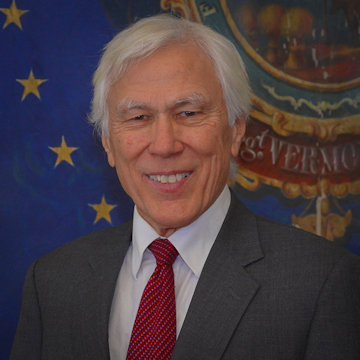
2025-2026 Regular Session Introduced by Scott Campbell

Establishes standards of service and interoperability for publicly accessible EV charging to ensure reliability, clear pricing, accessible support, and data transparency.

Read first time and referred to the Committee on Transportation
0
WeVote Research Nonpartisan
Bill Summary · H 796

Summary of Bill H. 796 (2025-2026) – Vermont

Purpose and intent

  • The bill is titled: An act relating to public electric vehicle supply equipment standards of service.
  • Overall aim: Establish standards of service for publicly accessible electric vehicle (EV) charging infrastructure to ensure reliable, consistent, and fair access for EV users.

Key provisions and changes

  • Standards of service for public EVSE: The bill sets specific performance and service standards that operators of publicly accessible EV charging equipment must meet. This can include reliability, uptime, response times for service interruptions, and maintenance expectations.
  • Access and user experience requirements: Provisions may address factors such as:
    • Availability of charging ports and reservation or wait-time policies.
    • Clarity of pricing, billing transparency, and disclosure of charging speeds (kW), connector types, and any roaming or network access details.
    • Accessibility considerations to ensure charging infrastructure serves individuals with disabilities and adheres to applicable accessibility standards.
  • Operator responsibilities: Requirements for public EVSE operators (which may include private operators with public charging sites, utilities, or municipalities) to:
    • Maintain charging units in working order.
    • Provide accessible customer support and dispute resolution processes.
    • Report performance metrics to a state authority or public utility commission as specified.
  • Interoperability and data sharing: Expectations that EVSE data (pricing, availability, status, and performance) be shared in standardized formats or through approved channels to improve system-wide transparency and enable efficient use by consumers and apps.
  • Standards alignment: The bill likely directs adherence to applicable federal or state standards for charging connectors (e.g., SAE J1772 for AC charging, CCS/CHAdeMO for DC fast charging) and safety requirements.
  • Enforcement and penalties: Provisions outlining consequences for noncompliance, which may include penalties, corrective action timelines, or other administrative remedies.
  • Rulemaking and administration: Authority granted to a state agency (often the Department of Public Service or a similar entity) to implement, monitor, and enforce the standards, including potential rulemaking processes and reporting obligations.

Who and what is affected

  • Public EVSE operators: Entities that own, operate, or manage publicly accessible charging equipment in Vermont would be subject to the standards.
  • EV users and consumers: Improved reliability, clearer pricing, and better access to charging infrastructure.
  • State agencies: Likely the Department of Public Service or another designated authority responsible for implementation, monitoring, and enforcement.
  • Facilities hosting EVSE: Businesses and organizations that install and maintain public charging stations may need to ensure compliance with the new standards.

Procedural and timeline aspects

  • Introduction and referral: The bill was introduced and referred to the Committee on Transportation on January 28, 2026.
  • Legislative process steps: As a House bill (H. 796), it will move through committee deliberations, potential amendments, and floor votes in the House, followed by consideration by the Senate if it advances.
  • Effective date: The text provided does not specify an effective date; typical implementation would include a phased timeline (e.g., compliance within 6–18 months after enactment) and may include interim reporting requirements.

Additional notes

  • The bill has a co-sponsor: Scott Campbell.
  • The action history only notes the first-time read and committee referral; no amendments or final passage details are available in the provided excerpt.

If you’d like, I can tailor this summary to emphasize particular aspects (e.g., enforcement mechanisms, interoperability details, or expected impact on charging costs) or compare it to existing Vermont EVSE-related policies.

Compiled from official sources — confirm details with the bill’s official record.

Sign in to ask a question.