

WeVote

Bill

Bill

H 770

An act relating to opting out of the federal tax credit program for contributions to scholarship granting organizations

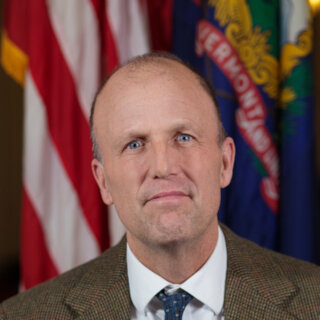
2025-2026 Regular Session Introduced by Peter Conlon and 1 co-sponsor

The bill creates an opt-out option for Vermont from the federal tax credit program for contributions to SGOs, affecting credits, funding, and administration.

Read first time and referred to the Committee on Ways and Means
0
WeVote Research Nonpartisan
Bill Summary · H 770

Overview

House Bill 770 (H 770), introduced in the 2025-2026 session of Vermont’s General Assembly, proposes an opt-out mechanism related to the federal tax credit program associated with contributions to scholarship granting organizations (SGOs). The bill has been referred to the House Committee on Ways and Means after its first reading on January 23, 2026. Co-sponsors include Representatives Peter Conlon and Emilie Kornheiser.

Purpose and intent

  • The bill seeks to allow Vermont taxpayers or the state to opt out of participating in the federal tax credit program tied to charitable contributions to SGOs.
  • The stated aim is to modify the current framework that enables or incentivizes donating to SGOs by leveraging federal tax credits, by providing an alternative path in which participation can be declined or avoided.

Key provisions and changes (as drafted or contemplated)

  • Opt-out mechanism: Establishes a process for opting out of the federal tax credit program related to contributions to SGOs. This would create a defined option for taxpayers or the state to decline participation in the program.
  • Scope of opt-out: The bill delineates who can opt out (e.g., individual taxpayers, or potentially the state administration) and under what conditions. It may specify timing (e.g., annual election) and documentation requirements.
  • Administrative framework: Likely to set forth duties for state agencies (such as the Department of Taxes or Department of Education) to administer the opt-out, track opt-out elections, and adjust related fiscal notes or accounting.
  • Fiscal impact considerations: The legislation would address how opt-out affects revenue, tax credits previously claimed or anticipated, and any adjustments to grant programs for SGOs.
  • Relationship to existing programs: Clarifies how opt-out interacts with current federal tax credit incentives for SGOs, and whether opt-out alters state-level funding or funding guarantees for scholarship programs.

Note: The exact text of provisions may evolve during committee refinement. The summary reflects the bill’s stated objective to enable opt-out of the federal tax credit program for SGO contributions.

Who would be affected

  • Taxpayers: Individuals and families who donate to SGOs and utilize the related federal tax credits could be affected by the opt-out option, depending on how the mechanism is designed (e.g., whether it reduces their credits or shifts reporting requirements).
  • State tax administration: Departments responsible for tax collection and administration would implement and monitor the opt-out process.
  • Scholarship granting organizations: SGOs receiving contributions could experience changes in fundraising dynamics if opt-out alters incentives tied to the federal tax credit program.
  • Public education financing: Any shifts in participation in the tax credit program could influence state education funding and scholarship distribution if affected revenues or allocations change.

Procedural and timeline aspects

  • Current stage: Read first time and referred to the Committee on Ways and Means (as of 2026-01-23).
  • Next steps: The bill would proceed through committee consideration, potential amendments, and eventual floor votes in the House, with possible Senate action and final gubernatorial decision, following Vermont’s legislative calendar.
  • Effective date: If enacted, the bill would specify an effective date for the opt-out provisions (often a future fiscal year or calendar year), along with any transition rules.

Potential impacts to monitor

  • Fiscal implications: How opt-out affects state revenue, tax credit utilization, and funding for SGOs and scholarships.
  • Administrative workload: Additional tracking, reporting, and compliance requirements for taxpayers and the tax department.
  • Equity and access: Whether opt-out changes accessibility to scholarships for students and families relying on SGOs for funding.

If you’d like, I can tailor this summary to focus on how the bill would interact with Vermont’s current tax code and education funding framework, or assemble a side-by-side comparison with the existing program’s provisions.

Compiled from official sources — confirm details with the bill’s official record.

Sign in to ask a question.