Summary — HB 5259 (Michigan) — Establish Office of Mental Health Peer Mentorship Program
Status snapshot
- Bill number: HB 5259 (adds sec. 323 to 1967 PA 150, MCL 32.501–32.851)
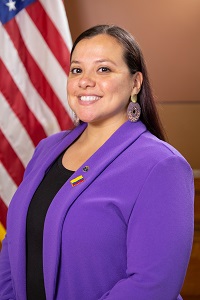
- Primary sponsor: Rep. Stephanie Young
- Filed: March 14, 2025; electronically reproduced/introduced (current text) November 12, 2025
- Committee activity: Referred to committee(s); various committee actions recorded in spring 2025. Companion: SB 2892.
- Tie-bar: This bill does not take effect unless HB 5270 of the 103rd Legislature is enacted.
Purpose / intent
HB 5259 requires the Michigan Veterans Affairs Agency (referred to in the bill as “the agency”) to create and operate a “buddy‑to‑buddy” peer mentorship program to provide 1-on-1 mentorship and support for currently serving members of the military (including the Michigan National Guard and reserves) and veterans who reside in Michigan. The program is intended to connect participants with benefits, resources, and advocates—particularly for mental health and substance use disorder (SUD) needs.
Key provisions
- Establishment and oversight
- The agency must create and operate a buddy‑to‑buddy program.
- The agency director must designate an official to oversee implementation and operation.
- Services and scope
- Volunteer mentors provide 1-on-1 mentorship and connect individuals to:
- Benefits/resources related to education, employment, family issues, finances, and health care.
- Advocates (including veteran navigators) who can assist with mental health and substance use disorders.
- Mentor eligibility
- Non‑veterans may serve as mentors, but the agency must make “every reasonable effort” to recruit veterans as mentors.
- Funding
- The agency may receive program funding from any source (public or private).
- Confidentiality / FOIA exemption
- Writings prepared/owned/used/retained by the agency or its Office of Mental Health and Suicide Prevention that contain information specific to an individual service member or veteran created/performed under this section are exempt from disclosure under Michigan’s Freedom of Information Act (1976 PA 442, MCL 15.231–15.246).
- Definitions
- “Agency” — Michigan Veterans Affairs Agency.
- “Program” — the buddy‑to‑buddy program created by the section.
Who would be affected
- Directly affected: Michigan active-duty military members (including Guard/reserves) and veterans residing in Michigan who seek mentorship/support.
- Indirectly affected: the Michigan Veterans Affairs Agency (new program responsibilities), volunteer mentors (veteran and non‑veteran), veteran service organizations, mental health and SUD advocates, and entities providing benefits/navigation services.
Potential impact and considerations
- Expected benefits: expanded peer‑based support links to services, improved navigation for mental health and SUD care, enhanced access to education/employment/family/financial resources.
- Costs and funding: bill allows outside funding; state fiscal impact depends on whether and how the agency funds staffing, training, and program operations (amounts not specified).
- Transparency/privacy tradeoff: explicit FOIA exemption aims to protect individualized service records and privacy; may reduce public access to program records.
- Implementation: requires the agency to designate an overseeing official and stand up program infrastructure; effectiveness will depend on recruitment (emphasis on veteran mentors), training, and coordination with existing veteran services.
Procedural notes
- The bill text includes an enacting section that conditions its effectiveness on passage of HB 5270 (tie‑bar). Track HB 5270 and companion SB 2892 for related legislative movement and potential enactment timing.