

WeVote

Bill

Bill

H 319

An act relating to miscellaneous environmental subjects

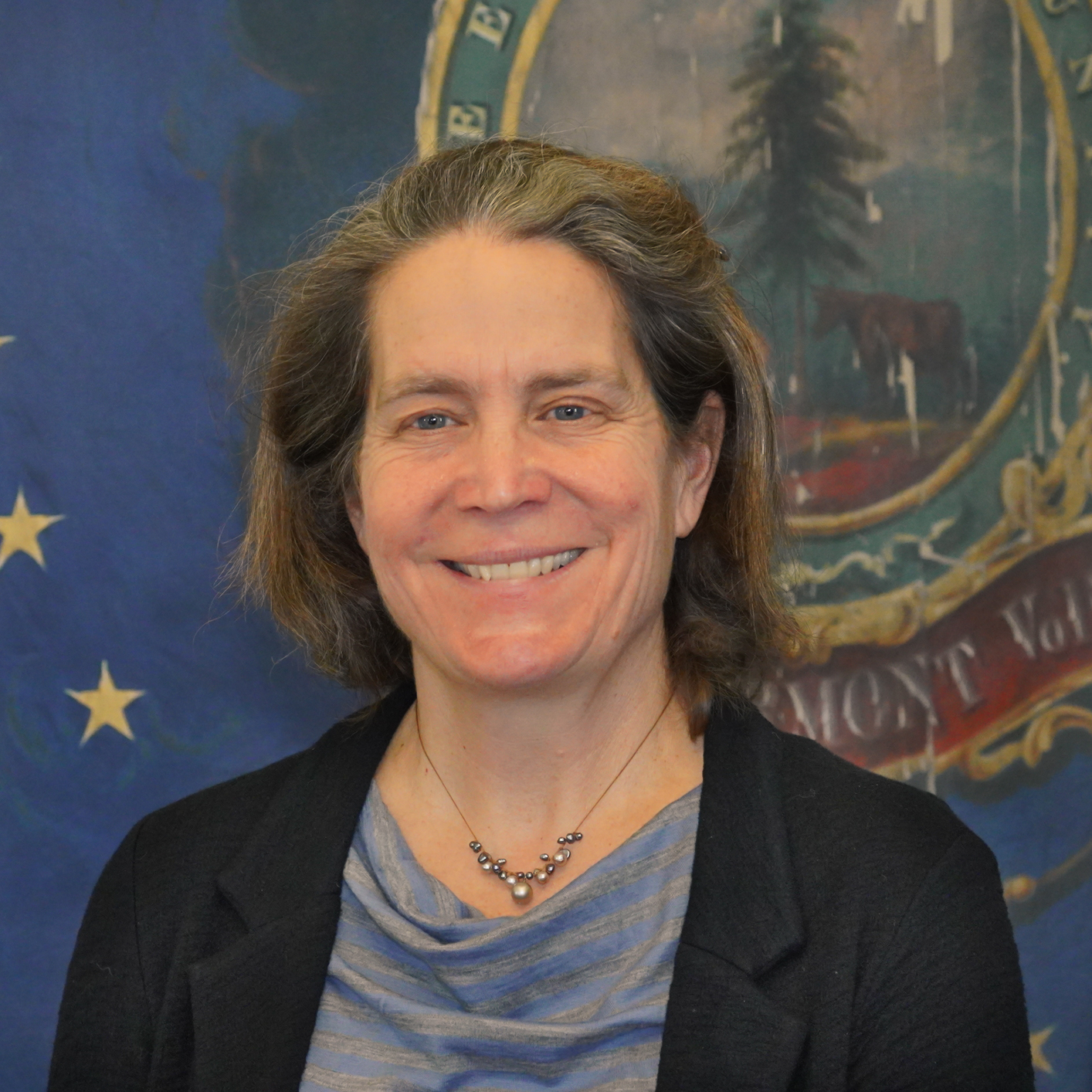
2025-2026 Regular Session Introduced by Amy Sheldon

H 319 - An Act Relating to Miscellaneous Environmental Subjects OverviewBill Number: H 319 Title: An act relating to miscellaneous environmental subjectsStatus: Rules suspended &

Rules suspended & bill committed to Committee on Natural Resources and Energy with the report of Committee on Natural Resources and Energy; Finance; and Appropriations intact, on motion of Senator Baruth
0
WeVote Research Nonpartisan
Bill Summary · H 319

H 319 - An Act Relating to Miscellaneous Environmental Subjects

Overview

Bill Number: H 319
Title: An act relating to miscellaneous environmental subjects
Status: Rules suspended & bill committed to Committee on Natural Resources and Energy with the report of Committee on Natural Resources and Energy; Finance; and Appropriations intact, on motion of Senator Baruth
Introduced: February 24, 2025

Purpose and Intent

The primary purpose of H 319 is to address a variety of environmental issues through a comprehensive legislative package. The bill aims to strengthen environmental protections, promote sustainable practices, and mitigate the impacts of climate change across the state.

Key Provisions

  • Establishes a statewide carbon pricing program to incentivize emissions reductions
  • Mandates that all new residential and commercial buildings meet net-zero energy standards by 2030
  • Bans the sale of single-use plastic bags and expands the bottle deposit program to include more beverage containers
  • Increases funding for renewable energy initiatives, including solar, wind, and geothermal projects
  • Requires all state-owned vehicles to be electric or hybrid by 2027
  • Creates a task force to study the feasibility of implementing congestion pricing in urban areas
  • Strengthens regulations on industrial pollution and hazardous waste disposal

Affected Parties and Impacts

The provisions in H 319 would have far-reaching impacts on various stakeholders:

  • Residents and businesses would be affected by the carbon pricing program, building efficiency standards, and plastic bag ban, but would also benefit from increased renewable energy investments.
  • The transportation sector, including vehicle manufacturers and fuel suppliers, would need to adapt to the state's transition to electric and hybrid vehicles.
  • Industrial and manufacturing companies would face stricter environmental regulations, which could increase compliance costs but also drive innovation in pollution control and waste management.
  • State and local governments would be responsible for implementing and enforcing many of the new policies, as well as managing the increased funding for environmental programs.

Procedural and Timeline Considerations

H 319 has been referred to the Committee on Natural Resources and Energy, the Committee on Finance, and the Committee on Appropriations for further review and consideration. The bill must pass through these committees and receive approval from both the House and Senate before being sent to the Governor for signature. Given the complexity and scope of the legislation, the process is likely to take several months, with the goal of enacting the new policies by the start of the next fiscal year.

Compiled from official sources — confirm details with the bill’s official record.

Sign in to ask a question.