

WeVote

Bill

Bill

HB 8176

AN ACT RELATING TO HUMAN SERVICES -- THE RHODE ISLAND WORKS PROGRAM

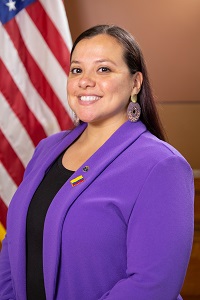
2026 Regular Session Introduced by Karen Alzate and 5 co-sponsors

HB 8176 expands Rhode Island childcare eligibility, adds a protective services category, tightens asset limits, and supports childcare workers to boost work and training participat

05/14/2026 Committee recommended measure be held for further study
0
WeVote Research Nonpartisan
Bill Summary · HB 8176

Summary of HB 8176 (Rhode Island, 2026)

Main purpose and intent

HB 8176 amends the Rhode Island Works Program to expand and clarify eligibility and delivery of childcare assistance. The bill adds a new protective services category for foster or kinship children and updates income thresholds, cooperation requirements, and administrative processes. It is intended to help more families access affordable childcare to meet work requirements, pursue education, or participate in job-readiness activities, while also supporting childcare educators and staff.

Key provisions and changes

  • Childcare eligibility framework (40-5.2-20):

    • The Department of Human Services must provide appropriate childcare to:
    • All participants eligible for cash assistance who need childcare to meet work requirements.
    • Other working families with income up to 261% of the federal poverty level (FPL if they require childcare to work).
    • Families below 261% FPL may receive short-term childcare for participation in training, apprenticeships, internships, or job-readiness programs funded by the Governor’s Workforce Board or related state programs.
    • Historic provisions related to higher education enrollment funding (180% FPL with a $200,000 expenditure cap; 200% FPL for certain college enrollment periods) are retained in a consolidated form, with newer timelines in place (see below).
  • Protective services category (new):

    • Adds eligibility for families with children in the protective services category (foster or kinship care managed by DCYF).
  • Resource limits (liquid assets):

    • A family/assistance unit is not eligible for childcare assistance if liquid resources exceed $1,000,000, aligning with federal/state plan caps. Liquid resources include cash, savings, investments, and similar readily convertible assets (with specific exclusions for retirement and certain jointly held accounts).
  • Paternity and support cooperation:

    • As a condition of eligibility, the parent/c caretaker must cooperate with establishing paternity and child support/medical support orders, unless good cause is shown.
  • Definition and scope of appropriate childcare:

    • Childcare can include infant, toddler, preschool, nursery, and school-age care, provided by state-approved providers.
  • Income-based cost-sharing (sliding fee):

    • Free childcare for families under 100% FPL.
    • For 100–200% FPL, families pay a portion on a sliding-fee scale, not to exceed 7% of income.
    • For those previously eligible up to 261% FPL, if incomes rise above 261% but not beyond 300% FPL, they may remain eligible if they continue contributing on the sliding scale (up to 7%).
  • Cost considerations in determining care type:

    • The department must consider care costs, suitability, and parental preference when determining the type of childcare.
  • Income definition for eligibility:

    • Cash assistance recipients: gross earned and unearned income with specified exclusions.
    • Other families: gross earned and unearned income per departmental rules.
  • Policy on reserve components:

    • For members of reserve components called to active duty during conflict, family composition and income are frozen at the month prior to departure.
  • Childcare educator/staff funding (temporary program):

    • From Aug 1, 2023, to July 31, 2028, provides state-funded childcare for eligible childcare educators and staff working at least 20 hours/week in licensed settings.
    • Eligible participants have incomes up to 300% FPL with no copays.
    • Department must collect data to report estimated demand and submit an annual report to the Governor and General Assembly by November 1.

Who is affected

  • Families receiving cash assistance and needing childcare to meet work requirements.
  • Working families with incomes up to 261% FPL (and certain ranges up to 300% under specific conditions) who rely on childcare to work.
  • Families participating in training or job-readiness activities funded by state workforce programs.
  • Foster and kinship families served by DCYF (new protective services category).
  • Childcare providers and educators in licensed centers and family homes (through the educator/staff funding program).
  • Households with substantial liquid assets (over $1,000,000) that would be ineligible due to resource limits.

Procedural and timeline aspects

  • Effective date: Upon passage.
  • The bill references ongoing and historical guidelines and includes a mechanism to adopt regulations to implement its provisions.
  • The educator/staff funding program is set with a defined implementation window from August 1, 2023, through July 31, 2028, with annual reporting requirements due by November 1 each year.
  • Administrative rulemaking is preserved for determining ownership of funds in joint accounts and other eligibility determinations.

Overall impact

HB 8176 broadens and clarifies eligibility for subsidized childcare, introduces a protective services category, tightens asset thresholds, and ensures support for childcare workers. It aims to reduce barriers to employment, education, and workforce participation while promoting oversight through reporting and regulatory actions.

Compiled from official sources — confirm details with the bill’s official record.

Sign in to ask a question.