

WeVote

Bill

Bill

HB 7393

AN ACT RELATING TO HUMAN SERVICES -- RHODE ISLAND CHILDCARE IS ESSENTIAL ACT

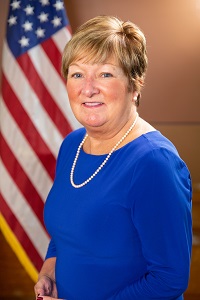
2026 Regular Session Introduced by Julie Casimiro and 8 co-sponsors

Creates the Rhode Island Childcare Is Essential framework to expand access, fund quality wages, and set market-rate-based rates for affordable, sustained childcare.

05/14/2026 Committee recommended measure be held for further study
0
WeVote Research Nonpartisan
Bill Summary · HB 7393

Overview

HB 7393 (Rhode Island, 2026) establishes the Rhode Island Childcare Is Essential Act, reorganizing and expanding eligibility, funding, and rate structures for the state’s childcare subsidy program. The bill aims to improve access to affordable, high-quality childcare to support working families, particularly low- and middle-income households, and to enhance compensation and support for childcare educators.

Purpose and Intent

  • Expand access to affordable, high-quality childcare to more Rhode Island families.
  • Align state policy with federal guidance on equal access (rates at or above the 75th percentile of market rates) and affordability (no more than 7% of family income for those not at 100% FPL).
  • Improve wages and retention for childcare educators through targeted state funding.
  • Establish a transparent, periodic market-rate survey to monitor rates and quality-based compensation.
  • Ensure continuity of assistance for families transitioning in and out of traditional eligibility bands.

Key Provisions

Eligibility and Assistance (Chapter 40-6.7)

  • Creates the Rhode Island Childcare Is Essential Act (Chapter 40-6.7).
  • Eligible groups:
    • All participants eligible for cash assistance meeting work requirements.
    • Other low- and moderate-income families up to 85% of the state median income (SMI) for low-income eligibility, with extended eligibility up to 100% SMI for ongoing enrollment if needed to work or participate in approved programs.
    • Additional provisions allow eligibility for higher education enrollment needs.
  • Income and asset rules:
    • Caps on liquid resources at $1,000,000.
    • Consent requirements for paternity and child support enforcement, with good-cause exceptions.
  • Income definition and sliding-fee:
    • Income includes gross, earned, and unearned income per departmental rules.
    • Free childcare for families at or below 100% of the federal poverty level (FPL).
    • Sliding-fee scales for families above 100% FPL, not to exceed 7% of income.
    • Special provisions for families transitioning from 85% to 100% SMI to maintain eligibility with ongoing partial payment.
  • Type of care:
    • Childcare options must be appropriate and provided by state-approved providers.
  • Active-duty military:
    • Freeze family composition and income for reservists called to active duty, until discharge.

Childcare Educator Funding (Section 40-6.7-1.1)

  • Temporary funding program from August 1, 2026, to July 31, 2028, for childcare educators and staff working at least 20 hours/week in licensed centers or homes.
  • Targeted to households with incomes up to 300% of the applicable FPL.
  • No copayments for eligible participants.
  • Participants may choose the childcare setting; a report on demand must be submitted annually to the Governor and General Assembly by November 1.

Rates and Reimbursement (Section 40-6.7-2)

  • Effective July 1, 2026: Update provider reimbursement rates to align with the 2024 Rhode Island Market Rate Survey and the state Quality Rating and Improvement System (QRIS).
  • Rates must meet or exceed the federal equal-access benchmark (75th percentile of market rates); high-quality providers receive rates at or above the 90th percentile.
  • Weekly rates are outlined for licensed childcare centers and family childcare homes, across five quality tiers (Tier One to Tier Five) for each age category (Infant, Toddler, Preschool, School-Age).
  • By June 30, 2027, and every three years thereafter, conduct an independent market-rate survey and publish findings publicly.
  • DHS can establish alternative or incentive rates for quality enhancements and innovative delivery methods.
  • Providers may be paid biweekly with options for direct deposit/electronic funds transfer.

Repeal of Prior Provisions (Section 40-5.2-20)

  • Repeals Rhode Island Works provisions related to childcare assistance (existing framework) and consolidates them under the new Chapter 40-6.7.

Effective Date

  • The act takes effect July 1, 2026.

Who Is Affected

  • Families eligible for childcare assistance, especially those with incomes up to 85%–100% of the state median income.
  • Families enrolled in the Rhode Island Works program and related childcare assistance provisions.
  • Licensed childcare centers and licensed family childcare homes (providers) receiving state reimbursement.
  • Childcare educators and center staff (through temporary funding program in 2026–2028) and those in the QRIS rating framework.
  • State agencies: Department of Human Services (DHS) and Department of Children, Youth & Families (DCYF), and the Governor’s Workforce Board (GWB) for alignment with workforce programming.

Procedural and Timeline Aspects

  • Introduced January 28, 2026; referred to House Finance; hearing/consideration scheduled in May–June 2026.
  • Rates and funding measures begin July 1, 2026.
  • Temporary educator funding runs August 1, 2026, to July 31, 2028.
  • Annual reporting on demand for state-funded childcare due November 1 each year, beginning after implementation.
  • Independent market-rate survey to be conducted by June 30, 2027, and every three years thereafter; results posted publicly.

Summary

HB 7393 reshapes Rhode Island’s childcare subsidy system into a consolidated “Childcare Is Essential” framework. It broadens eligibility to cover families up to 85%–100% of the state median income, introduces free care for those at/below the poverty line, and applies a sliding-fee scale for others. It mandates rate increases aligned with the latest market surveys and quality ratings, ensures ongoing access during income transitions, and creates a temporary, targeted fund to boost wages for childcare educators. The act also emphasizes data collection, transparency, and regular market-rate reviews to sustain affordability and program quality.

Compiled from official sources — confirm details with the bill’s official record.

Sign in to ask a question.