

WeVote

Bill

Bill

HB 7794

AN ACT RELATING TO HEALTH AND SAFETY -- THE RHODE ISLAND FAMILY HOME--VISITING ACT

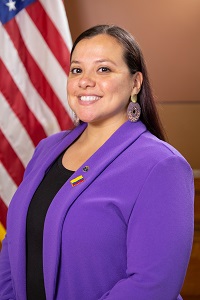
2026 Regular Session Introduced by Karen Alzate and 4 co-sponsors

Expands Rhode Island’s voluntary, evidence-based home-visiting to more families, with increased funding, statewide coordination, risk-based referrals, and annual public reporting.

05/12/2026 Committee recommended measure be held for further study
0
WeVote Research Nonpartisan
Bill Summary · HB 7794

Overview

HB 7794 (Rhode Island, 2026) aims to strengthen and expand the state's family home-visiting system, rebranding and formalizing the First Connections program as a provider under the Rhode Island Family Home-Visiting Act. The bill emphasizes evidence-based, high-quality home-visiting services for pregnant individuals and families with young children, with a focus on early identification of risk factors, enhanced reporting, and increased funding—including leveraging federal MIECHV funds and Medicaid rate increases.

Aim and intent

  • Expand access to voluntary, high-quality home-visiting services for pregnant people and families with infants and toddlers.
  • Preserve and grow Rhode Island’s evidence-based home-visiting capacity, with a particular focus on vulnerable populations.
  • Improve child and family outcomes in health, safety, development, and economic security.
  • Ensure robust financing by aligning state, federal, and Medicaid funding and by increasing Medicaid rates for providers.

Key provisions and changes

  • Program designation and delivery

    • The First Connections program would be added as a provider under the Rhode Island Family Home-Visiting Act.
    • Home-visiting services are described as voluntary, free, and typically consisting of 1 to 4 visits delivered by RNs, community health workers, and social workers.
  • System coordination and models (Section 23-13.7-2)

    • The Department of Health (DOH) will coordinate a statewide home-visiting system in partnership with the Department of Human Services (DHS) and the Department of Children, Youth and Families (DCYF).
    • Mandates use of evidence-based home-visiting models that meet fidelity standards and demonstrate positive outcomes in at least two of these areas: health outcomes; safety and maltreatment reduction; economic security/self-sufficiency; and early childhood development/readiness.
  • Early referral and risk-based targeting

    • DOH must implement a referral system to connect families prenatally or soon after birth to voluntary, evidence-based home-visiting programs.
    • Prioritization based on risk factors such as adolescent parent(s), prenatal substance exposure, history of maltreatment or domestic violence, incarceration, disability or cognitive challenges, financial insecurity, homelessness, etc.
  • Annual reporting and data transparency (Section 23-13.7-2(d))

    • DOH must produce an annual state home-visiting report by March 1, detailing:
    • Funding sources and amounts (state and federal) and the components of the home-visiting system.
    • Number of families served by First Connections and by models over the past five years.
    • Demographics, duration of participation, and cross-department coordination.
    • Outcomes related to health, maltreatment, economic security, development, and school readiness.
    • Estimates of at-risk births, expansion plans, and a three-year projection of MIECHV funds, state match, and funding strategies.
    • Funding by model and source for the last five years, plus implementation challenges and successes.
    • Public availability of the report.
  • Funding and expansion (Sections 2 and 3)

    • State appropriations will be combined with federal funds to expand evidence-based home-visiting, with a goal to reach all vulnerable families, including pregnant/parenting teens and families with welfare involvement.
    • The DOH will pursue a Medicaid state plan amendment and allocate sufficient general revenue to increase Medicaid payment rates for family home-visiting services to the level recommended by the 2025 rate-review (deadline: on or before October 1, 2026).
    • Annually, the state must allocate the minimum necessary to draw down the maximum available MIECHV federal dollars for home-visiting services.
  • Definitions and program specifics

    • Clarifies First Connections as the state-run, rapid-response, short-term home-visiting program, typically 1–4 visits per family, with connections to broader services as needed.

Who is affected

  • Pregnant individuals, new parents, and families with children up to age three who participate in home-visiting services.
  • Providers delivering home-visiting services (nursing, community health workers, social workers) and community-based organizations operating First Connections and evidence-based models.
  • State agencies: Department of Health, Department of Human Services, and Department of Children, Youth and Families.
  • Rhode Island residents targeted by enhanced funding and expanded access to services, particularly vulnerable families identified by risk factors.

Procedural and timeline aspects

  • Effective date: Upon passage.
  • Medicaid-related changes and rate increases: Implemented on or before October 1, 2026.
  • Annual reporting: By March 1 each year, beginning after enactment, with public accessibility.
  • Funding timeline: Annual allocation to maximize federal MIECHV funds; three-year planning horizon for MIECHV funds, state match, and expansion costs.

Potential impact

  • Increased access to voluntary home-visiting services for more Rhode Island families, especially those at higher risk.
  • Enhanced program quality through fidelity to evidence-based models and standardized reporting.
  • Greater alignment of state and federal funding streams to sustain and scale services.
  • Improved early childhood health, safety, development, and readiness for school, along with potential long-term reductions in child maltreatment and economic insecurity.

Note: This summary reflects the bill text as introduced in February 2026 and its stated provisions.

Compiled from official sources — confirm details with the bill’s official record.

Sign in to ask a question.