

WeVote

Bill

Bill

SB 2632

AN ACT RELATING TO HEALTH AND SAFETY -- STATE BUILDING CODE

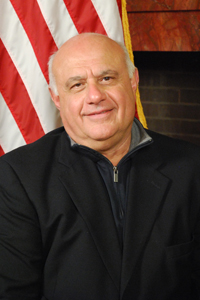
2026 Regular Session Introduced by Frank Ciccone and 1 co-sponsor

Rhode Island will adopt the 2024 IRC for 1–4 family dwellings by 2027 and then freeze further residential code changes through 2030 to provide stability for small housing projects.

06/19/2026 Signed by Governor
0
WeVote Research Nonpartisan
Bill Summary · SB 2632

Summary of SB 2632 (Rhode Island) — 2026

Purpose and intent

  • Establishes amendments to Rhode Island’s State Building Code by requiring adoption of the 2024 International Residential Code (IRC) for one- to four-family dwellings and imposing a moratorium on changes to the state building code for these residential units through January 1, 2030.
  • Aims to align state code updates with national model codes while creating a multi-year moratorium on amendments affecting small residential structures, subject to future General Assembly approval.

Key provisions and changes

  1. Adoption and scope of the state building code

    • The State Building Code Standards Committee (SBCSC) has authority to adopt, promulgate, and administer a state building code, including:
      • Provisions to resolve conflicts between fire safety codes and building codes.
      • A rehabilitation building and fire code for existing buildings and structures.
    • The code may be promulgated in sections applicable to:
      • One-, two-, three-, and four-family dwellings using the International Residential Code (IRC) and amendments.
      • Dwellings with more than four units, hotels/motels, and other commercial structures using the International Building Code (IBC) and amendments.
      • An energy conservation code using the International Energy Conservation Code (IECC) and amendments.
      • General building construction, plumbing, and electrical.
  2. Electrical and accessibility standards

    • Electrical work in the state must comply with the latest edition of the National Electrical Code (NEC). SBCSC must adopt the latest NEC editions so they take effect on the first day of July of the year the edition is dated.
  • The code shall be reasonably consistent with nationally recognized standards and, where needed, align with the Americans with Disabilities Act (ADA) to the extent required by federal law, including directives to repeal inconsistent state/local codes with ADA standards and to adopt ADA-compatible rules by specified timelines (note: historical references to dates in the ADA alignment appear in the text but are superseded by current law; the bill itself sets a 2012-2013 alignment timeline in the existing language).
  1. Well standards for appurtenances

    • The building code shall include minimum standards for wells that are appurtenances to a building (installation, alteration, or repair) as connected to a structure, consistent with Chapter 13.2 of Title 46.
  2. Adoption schedule and residential-specific mandate

    • By January 1, 2027, SBCSC must adopt the 2024 IRC (including amendments) for one- to four-family dwellings.
  3. Residential code moratorium

    • Once aligned with the 2024 code year basis (for the 2024 IRC adoption), there will be a moratorium on changing the state building code applicable to one- to four-family residential units through January 1, 2030.
    • During the moratorium period, the SBCSC shall not adopt, and the State Building Office shall not enforce, any changes to the state building code for these residential units unless specifically approved by the General Assembly and made effective by the Governor.

Affected parties and implications

  • Residential property (1–4 units) owners and builders: Likely benefits from a predictable code regime through 2030, reducing regulatory fluctuation and potential costs associated with frequent code changes.
  • Developers and contractors working on small-scale housing: Face a two-pronged effect—implementation of the 2024 IRC by 2027, followed by a moratorium on further changes through 2030, providing stability.
  • Code officials and local jurisdictions: Must implement the 2024 IRC for 1–4 family dwellings by 2027 and comply with the 2030 moratorium, subject to any General Assembly-approved amendments.
  • Electrical and energy code compliance: NEC and IECC adoption remains a requirement, with standard upgrade timelines aligned to the edition dates adopted by the SBCSC.

Procedural and timeline aspects

  • Introduction date: February 13, 2026.
  • Committee action: Referred to Senate Housing & Municipal Government; later actions show scheduling and recommended hold for further study.
  • Key deadlines:
    • January 1, 2027: SBCSC must adopt the 2024 IRC for 1–4 family dwellings.
    • January 1, 2030: End of the moratorium on changes to the residential portion of the state building code (subject to any General Assembly actions).

Notes

  • The act would take effect upon passage.
  • The bill is sponsored by Senators Ciccone and Tikoian, with a co-sponsorship by David Tikoian and Frank Ciccone.

Compiled from official sources — confirm details with the bill’s official record.

Sign in to ask a question.