

WeVote

Bill

Bill

H 452

An act relating to decriminalization of psilocybin-containing mushrooms and the establishment of the Psilocybin Therapeutic Consultation Program

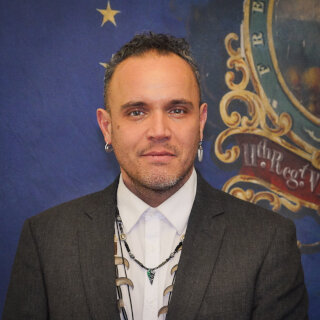
2025-2026 Regular Session Introduced by Brian Cina

Vermont decriminalizes psilocybin mushrooms and creates a state Psilocybin Therapeutic Consultation Program to regulate safe, supervised therapeutic use.

Read first time and referred to the Committee on Human Services
0
WeVote Research Nonpartisan
Bill Summary · H 452

Summary of Bill H. 452 (2025-2026) – Vermont

Purpose and intent

  • The bill proposes decriminalizing psilocybin-containing mushrooms in Vermont.
  • It also establishes a state program to support therapeutic consultation related to psilocybin use, aiming to create a regulated framework for medical or therapeutic activity while reducing penalties for possession or distribution that would otherwise be criminal.

Key provisions and changes

  • Decriminalization of psilocybin mushrooms:
    • The bill removes criminal penalties for possession of psilocybin-containing mushrooms, shifting potential enforcement away from criminal charges. It may set thresholds or carve-outs for specific quantities, though exact limits are not specified in the summary provider.
  • Establishment of the Psilocybin Therapeutic Consultation Program:
    • Creates a state-administered program to oversee therapeutic use of psilocybin.
    • The program would credential and/or certify practitioners and therapists, establish standards for safe therapeutic practices, and provide guidance on appropriate patient selection and treatment protocols.
    • Likely includes requirements for informed consent, safety screenings, and integration support after sessions.
  • Regulatory and oversight framework:
    • Establishes governance for program operations, including reporting, compliance, and potential coordination with health agencies or departments (e.g., human services or public health).
    • May set provider qualifications, training requirements, and ongoing supervision for clinicians involved in psilocybin-assisted therapy.
  • Public health and safety measures:
    • Addresses safety, quality control, and monitoring to minimize risks associated with psilocybin therapy.
    • Could include regulatory testing, product standards, or limits on where and how therapy can be delivered (e.g., clinical settings vs. home use).
  • Recordkeeping and reporting:
    • Requires data collection on program participation, outcomes, adverse events, and utilization trends to inform future policy decisions.
  • Funding and implementation timeline:
    • The bill may authorize funding for program development, staffing, and training.
    • Timeline provisions would govern phased implementation, pilot periods, or sunset dates if applicable.

Who and what is affected

  • Individuals:
    • Vermonters possessing or seeking to possess psilocybin-containing mushrooms could face reduced criminal penalties.
    • Patients and clients seeking psilocybin-assisted therapy would be served under the new program.
  • Healthcare professionals and providers:
    • Clinicians, therapists, and coordinators participating in psilocybin-assisted treatment would need to meet program standards and training.
  • State agencies:
    • Department or agency responsible for human services, health, or behavioral health would administer or oversee the program, including oversight, reporting, and enforcement.
  • Law enforcement and criminal justice system:
    • Decriminalization would alter how psilocybin-related offenses are prosecuted, shifting priorities toward regulation and treatment over criminal penalties.

Procedural and timeline aspects

  • Status: Read first time and referred to the Committee on Human Services (as of 2025-02-28).
  • Next steps: Committee consideration, potential amendments, and floor action. If advanced, the bill would progress through standard Vermont legislative stages (committee hearings, potential fiscal notes, votes in House and Senate, and governor’s assent or veto).
  • Sponsorship: Co-sponsor listed—Brian Cina.

Practical considerations and context

  • The bill signals a policy shift toward treating psilocybin use more as a health and therapeutic issue rather than solely a criminal matter.
  • The success and design of the Psilocybin Therapeutic Consultation Program will be critical to implementation, including funding levels, practitioner qualifications, patient safety safeguards, and measurable outcomes.
  • As with any decriminalization effort coupled with a therapeutic program, ongoing evaluation will be essential to address public health impacts, equitable access, and potential misuse.

If you’d like, I can tailor this summary to emphasis on specific sections (e.g., regulatory design, funding, or anticipated fiscal impact) once the bill’s text or fiscal notes are available.

Compiled from official sources — confirm details with the bill’s official record.

Sign in to ask a question.