Summary — HB 5066 (Gun Seller Liability Act)
Status & procedural history (as provided)
- Bill number: HB 5066 — House Introduced Bill (titled the “gun seller liability act”).
- Filed: March 13, 2025. Read first time: April 7, 2025; referred to Criminal Jurisprudence (4/7/2025).
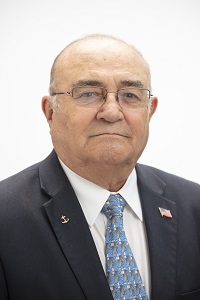
- Electronic reproduction / reintroduced: September 26, 2025; introduced by Rep. Brenda Carter on 9/26/2025; read first time and referred to Committee on Government Operations on 9/26/2025.
- Note: the provided record also includes a referral date of 2025-01-09 to a Joint Committee on Insurance and Real Estate; timelines in the source are mixed. The bill creates a new act.
Purpose
- Establish civil liability for persons who sell, deliver, or transfer firearms to individuals who are prohibited from possessing them, and require firearms dealers to carry minimum liability insurance.
Key definitions (selected)
- “Federal firearms license”: license under 18 U.S.C. § 923.
- “Firearm”: defined by Michigan statute MCL 28.421.
- “Firearms dealer”: an FFL engaged in the business of selling firearms.
- “Person”: individual or business entity (includes FFL holders).
Core provisions
1. Civil liability (Sec. 3)
- The bill makes a “person” strictly liable for damages when all of the following occur:
a. The person sells, delivers, or transfers a firearm to an individual; and
b. The person “knows or should know” the individual is prohibited from possessing the firearm under federal or Michigan law; and
c. The individual (or another who obtains possession of the firearm) uses it to cause injury or death to another person, or to threaten or intimidate another person.
- Liability under this section is described as “strict” but conditioned on the knowledge/should‑know element (as written).
- Insurance requirement for firearms dealers (Sec. 4)
- A person that is a firearms dealer (i.e., holds an FFL and sells firearms as a business) must maintain liability insurance covering personal injury or property damage resulting from sales, deliveries, or transfers, including liability imposed by this act.
- Minimum limits required: $1,000,000.
Who would be affected
- Firearms sellers: both business dealers (FFLs) and any “persons” who sell/deliver/transfer firearms could face civil exposure under Sec. 3.
- Firearms dealers (FFLs): would face a statutory obligation to carry at least $1,000,000 in liability insurance.
- Insurers: potential market impact as demand for policies covering this statutory liability would increase.
- Victims of firearm violence: creates a civil remedy against sellers who meet the statutory criteria.
- Law enforcement and courts: potential increase in civil litigation alleging seller liability; insurers may be involved in defense and indemnity.
Notable omissions / limits in the draft
- The bill does not specify procedural details such as damages caps, statute of limitations, available defenses, or whether punitive damages are permitted.
- It does not describe enforcement mechanisms beyond civil liability or any criminal penalties.
Potential policy and practical impacts (likely)
- Increased civil risk for sellers may encourage tighter screening, recordkeeping, and refusal of suspicious transactions.
- Insurance mandate raises operating costs for FFL dealers and may affect coverage availability/pricing.
- Possible chilling effect on informal/private transfers depending on how “knows or should know” is applied in litigation.
This summary describes the bill text as introduced; subsequent amendments or committee actions could change these provisions.