

WeVote

Bill

Bill

LD 1146

An Act Regarding The Required State Of Mind Relating To Robbery

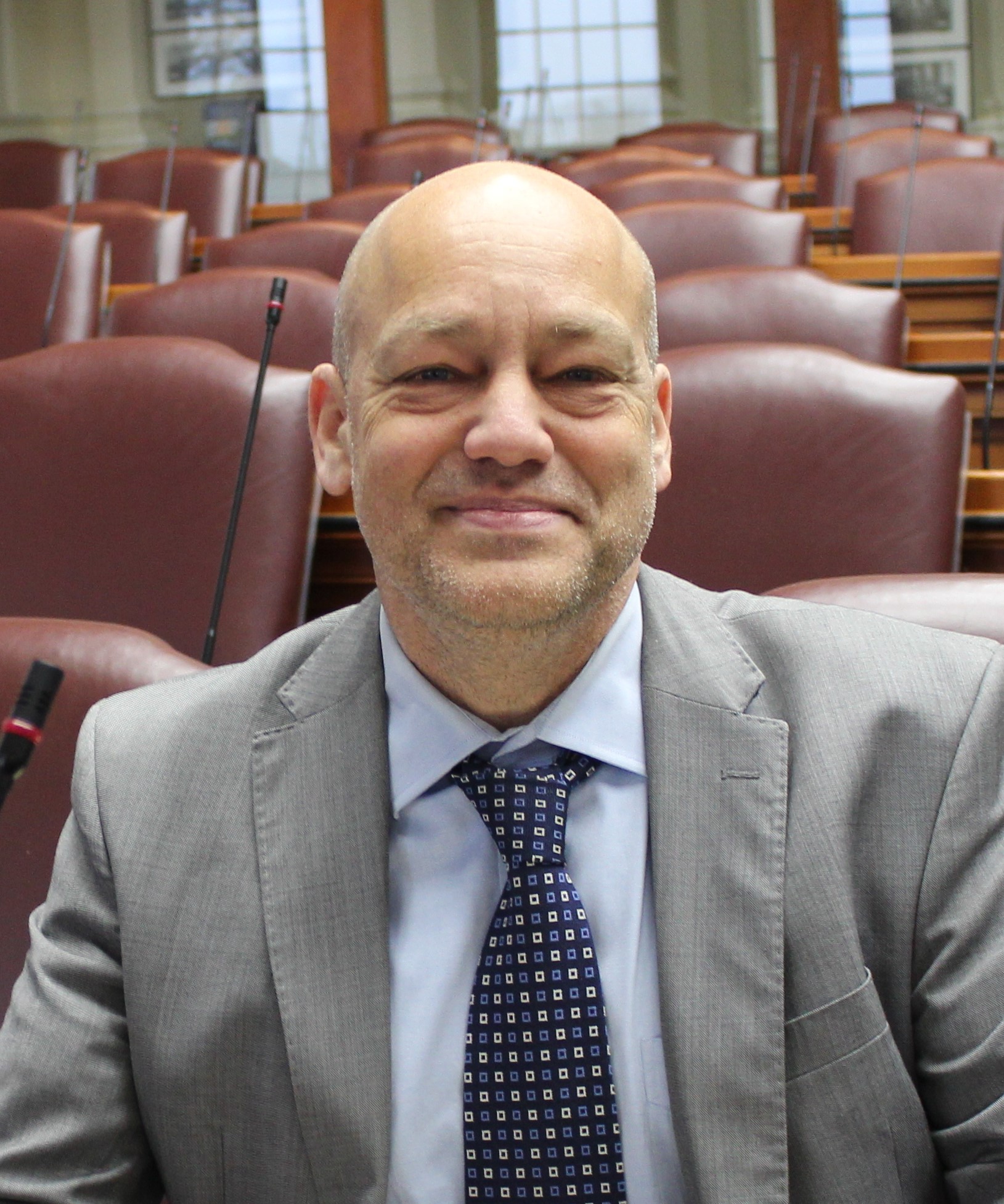
132nd Legislature (2025-2026) Introduced by David Sinclair

The bill requires prosecutors to prove that threatening to use force against any person present was done intentionally or knowingly, raising the mental state burden.

Became Law without Governor's Signature
0
WeVote Research Nonpartisan
Bill Summary · LD 1146

Summary — LD 1146: An Act Regarding The Required State of Mind Relating to Robbery

Purpose

LD 1146 narrows the required criminal state of mind for a specified Class B offense involving threats of force. The bill adds the phrase “intentionally or knowingly” to the statute that criminalizes threatening to use force against any person present, thereby requiring prosecutors to prove a higher mental element (mens rea) for that offense.

Key provisions

  • Amends the Class B crime of “threatening to use force against any person present” to explicitly require the actor acted “intentionally or knowingly.”
  • As enacted, the statutory language change was adopted via Committee Amendment C "A" (H‑368) and approved by both chambers.
  • The bill does not amend penalty levels or classification; it changes only the culpable mental state required for conviction.

Who is affected

  • Defendants: Individuals charged with the Class B threat offense will be subject to a stricter mens rea requirement; prosecutions must establish that the defendant intentionally or knowingly threatened force.
  • Prosecutors and law enforcement: Charging decisions and proof strategies may change; cases that cannot meet the higher mens rea burden may be declined or resolved differently.
  • Courts and defense attorneys: Judicial instructions, motions, and appeals may focus on proof of intent/knowledge vs. lower mental states (e.g., recklessness).
  • Corrections system: Potentially fewer convictions and incarcerations for this offense could affect prison populations.

Fiscal impact

  • Fiscal notes (approved 4/1/25, 5/5/25, 6/2/25) state the amendment could reduce the number of individuals incarcerated for the offense, but the number and dollar value of any savings are unclear.
  • The fiscal notes cite an average cost of $55,203 per incarcerated individual per year. No specific savings were included in the estimates.

Legislative history and timing

  • Introduced: March 18, 2025 (Sponsor: Rep. Sinclair of Bath).
  • Committee: Criminal Justice and Public Safety; Committee Amendment C "A" (H‑368) adopted.
  • Passed both chambers and was sent for concurrence; recorded votes and reports on June 2–3, 2025.
  • Became law without the Governor’s signature on June 17, 2025.

Considerations

  • The change raises the prosecutorial burden from proving a lower mental state (if previously applicable) to proving that the actor intentionally or knowingly threatened force. This typically narrows the scope of criminal liability and may affect plea bargaining, case dispositions, and related courtroom practice.

Compiled from official sources — confirm details with the bill’s official record.

Sign in to ask a question.