

WeVote

Bill

Bill

HB 6846

AN ACT CONCERNING THE USE OF ARTIFICIAL INTELLIGENCE AND OTHER MEANS TO GENERATE DECEPTIVE SYNTHETIC MEDIA AND AFFECT ELECTIONS.

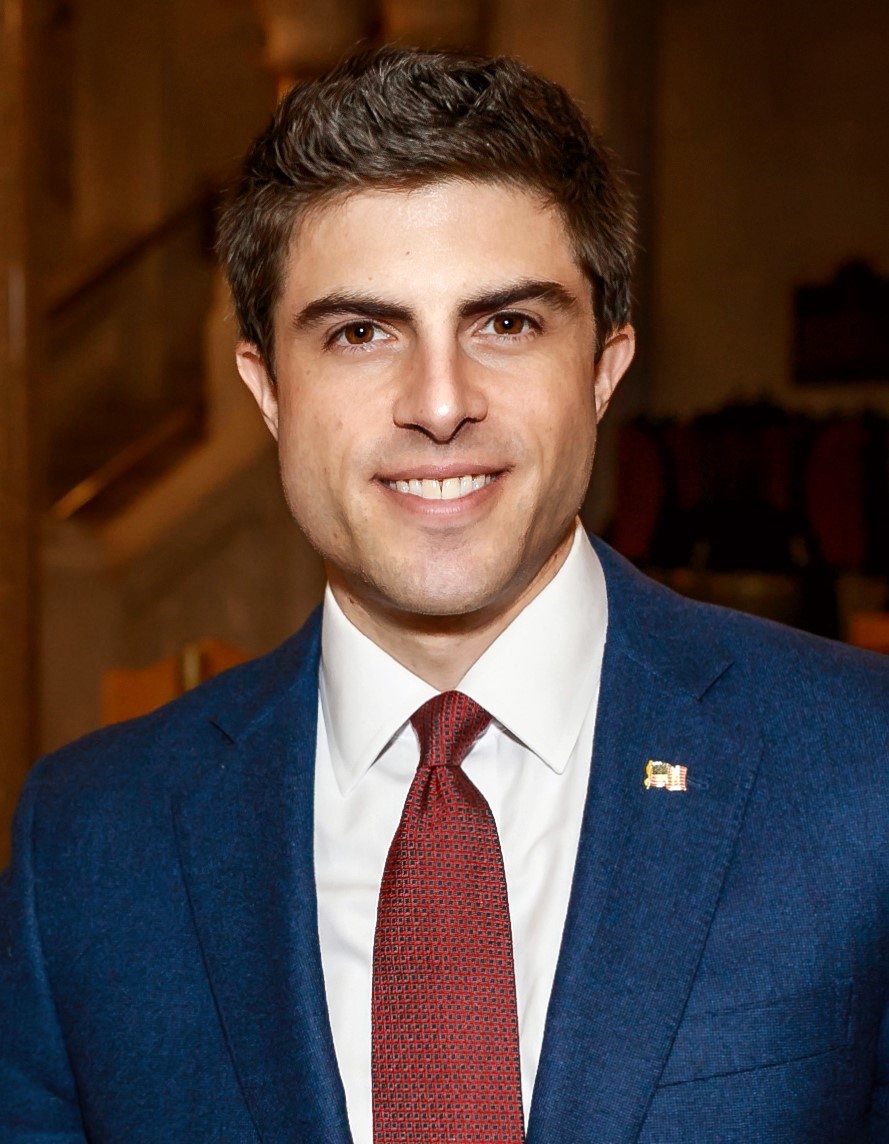
2025 Regular Session Introduced by Matt Blumenthal and 2 co-sponsors

HB 6846 bans deceptive AI-generated election media, requires labeling/disclosure, and lets the Attorney General enforce penalties on campaigns, platforms, and media actors.

TABLED FOR HOUSE CALENDAR
0
WeVote Research Nonpartisan
Bill Summary · HB 6846

Summary — HB 6846 (2025)

Title: AN ACT CONCERNING THE USE OF ARTIFICIAL INTELLIGENCE AND OTHER MEANS TO GENERATE DECEPTIVE SYNTHETIC MEDIA AND AFFECT ELECTIONS

Short summary: HB 6846 is legislation aimed at preventing the creation, distribution, or use of deceptive synthetic media produced by artificial intelligence or other technologies for the purpose of influencing elections. The bill addresses criminal and civil enforcement, involves the Attorney General, and touches on digital media industry practices and political advertising.

Note: The full text of the bill was not included. The summary below is based on the bill title, subject tags (AI, digital media, elections, AG, penalties), and available legislative actions. Specific statutory language, exact definitions, and penalty amounts (if any) were not provided in the materials received.

Main purpose and intent

  • To deter and penalize the deliberate creation or dissemination of AI-generated or otherwise synthetic media that is deceptive and intended to affect the outcome of an election (including primaries).
  • To put obligations on actors (individuals, political campaigns, platforms, or industry participants) to limit or disclose synthetic content used in the context of political communication.

Key provisions likely included (based on title and subject tags)

  • Prohibition on producing, publishing, or distributing deceptively realistic synthetic audio, video, or images intended to mislead voters about a candidate, ballot question, or election process.
  • Requirements for labeling, watermarking, or otherwise disclosing synthetic content when used in political advertising or communications.
  • Enforcement authority assigned to the Connecticut Attorney General (civil enforcement, injunctive relief, or consumer-protection actions).
  • Criminal penalties and civil fines for violations (bill classification references felonies, misdemeanors, fines and violations).
  • Possible exceptions or defenses for bona fide news reporting, commentary, satire, or content that is clearly non-deceptive.
  • Reporting, recordkeeping, or provenance requirements for digital media companies, platforms, or advertisers to help identify synthetic content.

Who would be affected

  • Political campaigns, candidates, and political committees using digital media.
  • Technology companies and platforms hosting or distributing synthetic media.
  • AI developers and digital media industries that create or enable synthetic content.
  • Voters and the integrity of election communications.
  • Connecticut Attorney General and law enforcement (for enforcement and prosecution).

Enforcement, penalties, and legal considerations

  • The bill references both misdemeanors and felonies and authorizes fines; exact penalty levels are not available in the provided materials.
  • Enforcement appears to involve the Attorney General; private causes of action are possible but not confirmed.
  • Implementation could raise First Amendment and preemption questions; constitutional challenges are possible depending on definitions and scope.

Legislative status and timeline

  • Introduced: January 31, 2025; referred to Government Administration and Elections Committee.
  • Public hearing: February 7, 2025.
  • Committee action: Joint Favorable reports (Feb 28 and Apr 25 entries).
  • House Calendar: Filed/Reported out of LCO multiple times; House Calendar number 117; File No. 143.
  • Current status (as of latest entry): Tabled for House Calendar (April 28, 2025).

Notes / recommended next steps for readers

  • Consult the full bill text (LCO file/File No. 143) for precise definitions (e.g., “deceptive synthetic media”), specific prohibitions, penalty schedules, and any exemptions.
  • Watch for committee reports and fiscal notes from the Office of Legislative Research and the Office of Fiscal Analysis for implementation costs and enforcement mechanisms.
  • Stakeholders (campaigns, platforms, media, civil liberties groups) should review the final language for compliance obligations and constitutional implications.

Compiled from official sources — confirm details with the bill’s official record.

Sign in to ask a question.