

WeVote

Bill

Bill

SB 126

AN ACT AUTHORIZING BONDS OF THE STATE FOR THE REMEDIATION OF FILL PILE WASTE CONTAMINATION IN THE TOWN OF FAIRFIELD.

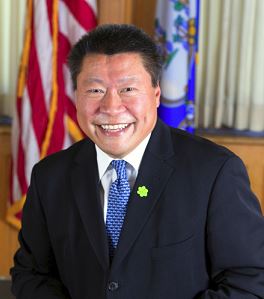
2025 Regular Session Introduced by Tony Hwang

Connecticut authorizes state bonds to fund environmental cleanup of contaminated fill waste in Fairfield, shifting remediation costs to state taxpayers through debt financing.

REF. TO JOINT COMM. ON Finance, Revenue and Bonding
0
WeVote Research Nonpartisan
Bill Summary · SB 126

Legislative bill overview

SB 126 authorizes the state of Connecticut to issue bonds to fund the cleanup and remediation of contaminated fill pile waste located in Fairfield. The bill provides financial authorization but does not specify the exact amount or detailed remediation plan. This is a bonding authorization that requires legislative approval to allow the state to borrow money for this environmental remediation project.

Why is this important

Contaminated fill piles pose environmental and public health risks through soil and groundwater contamination, potential air quality issues, and reduced property values in affected areas. Bond authorization is necessary for the state to finance large environmental cleanup projects that exceed annual budget allocations. The cleanup could affect residential areas, local businesses, and drinking water sources depending on the contamination type and location.

Potential points of contention

  • Cost and debt burden: The bill authorizes state bonding (borrowing) with repayment obligations spread over time, increasing state debt that taxpayers ultimately finance through interest costs
  • Liability and responsibility: Questions about whether the responsible party (private polluter, developer, or municipality) should bear remediation costs rather than state taxpayers
  • Project scope and timeline: The bill lacks specifics on remediation methods, cost estimates, timelines, and environmental standards that will guide cleanup work
  • Fairfield impact disparity: Local residents may question why state-wide borrowing applies to a single town's issue rather than local or polluter-funded solutions

Compiled from official sources — confirm details with the bill’s official record.

Sign in to ask a question.