

WeVote

Bill

Bill

SB 979

AN ACT ALLOWING LEARNING IN RETIREMENT PROGRAMS AT CONNECTICUT STATE COMMUNITY COLLEGE CAMPUSES.

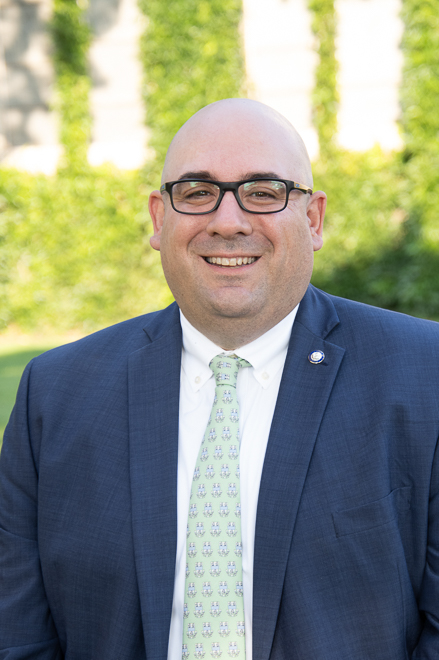
2025 Regular Session Introduced by Pat Boyd and 2 co-sponsors

SB 979 permits Connecticut State Community Colleges to operate Learning in Retirement programs offering affordable coursework to seniors 60+, expanding adult education access and campus utilization.

REF. TO JOINT COMM. ON Higher Education and Employment Advancement
0
WeVote Research Nonpartisan
Bill Summary · SB 979

Legislative bill overview

SB 979 establishes "Learning in Retirement" programs at Connecticut State Community College (CSCC) campuses, enabling older adults to take courses and participate in educational activities. The bill authorizes community colleges to offer these programs, which typically provide affordable or free access to college coursework for seniors aged 60 and older without formal admission requirements or graded assessments.

Why is this important

Retired adults represent a growing demographic seeking intellectual engagement and social connection. These programs address lifelong learning interests while potentially increasing community college enrollment and campus vitality during off-peak hours, leveraging existing institutional resources to serve a population with time availability but often fixed incomes.

Potential points of contention

  • Resource allocation: Whether dedicating classroom space and faculty time to non-credit, often non-paying participants diverts resources from degree-seeking students who generate institutional funding
  • Faculty compensation and workload: Unclear if instructors teaching these programs receive additional pay or if it constitutes unfunded mandate work
  • Program funding mechanism: Bill does not specify how CSCC campuses would fund these programs—through state appropriations, student fees, grants, or institutional budgets—creating potential implementation uncertainty
  • Equity concerns: May primarily benefit affluent retirees with transportation access and flexible schedules, while serving lower-income seniors less effectively

Compiled from official sources — confirm details with the bill’s official record.

Sign in to ask a question.