

WeVote

Bill

Bill

HD 1885

An Act advancing clean energy equity

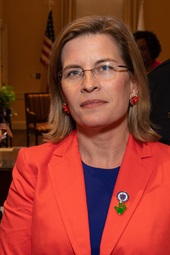
194th Legislature (2025-2026) Introduced by Marjorie Decker and 9 co-sponsors

Massachusetts bill establishing equitable clean energy investment requirements to expand renewable energy access and workforce benefits in low-income and disadvantaged communities.

0
WeVote Research Nonpartisan
Bill Summary · HD 1885

Legislative bill overview

HD 1885 aims to expand clean energy access and benefits to low-income and disadvantaged communities in Massachusetts. The bill establishes requirements for equitable distribution of clean energy investments, workforce development programs, and energy cost savings across different demographic groups.

Why is this important

Energy costs disproportionately burden low-income households, which spend a larger percentage of their income on utilities. Ensuring equitable access to clean energy benefits—including solar installations, energy efficiency upgrades, and job training—can reduce energy poverty while advancing climate goals and creating economic opportunity in underserved communities.

Potential points of contention

  • Implementation costs: Mandating equitable distribution of clean energy benefits may increase program administration expenses and potentially raise energy costs across the board
  • Definition clarity: "Disadvantaged communities" and "equitable" lack universal definitions, creating uncertainty about how resources will actually be allocated and whether targets are being met
  • Market feasibility: Requiring clean energy projects in less profitable areas (urban centers, apartment buildings) may conflict with private developer economics without substantial subsidies

Compiled from official sources — confirm details with the bill’s official record.

Sign in to ask a question.