

WeVote

Bill

Bill

A 2257

Allows the legislature to authorize pool-selling without profit

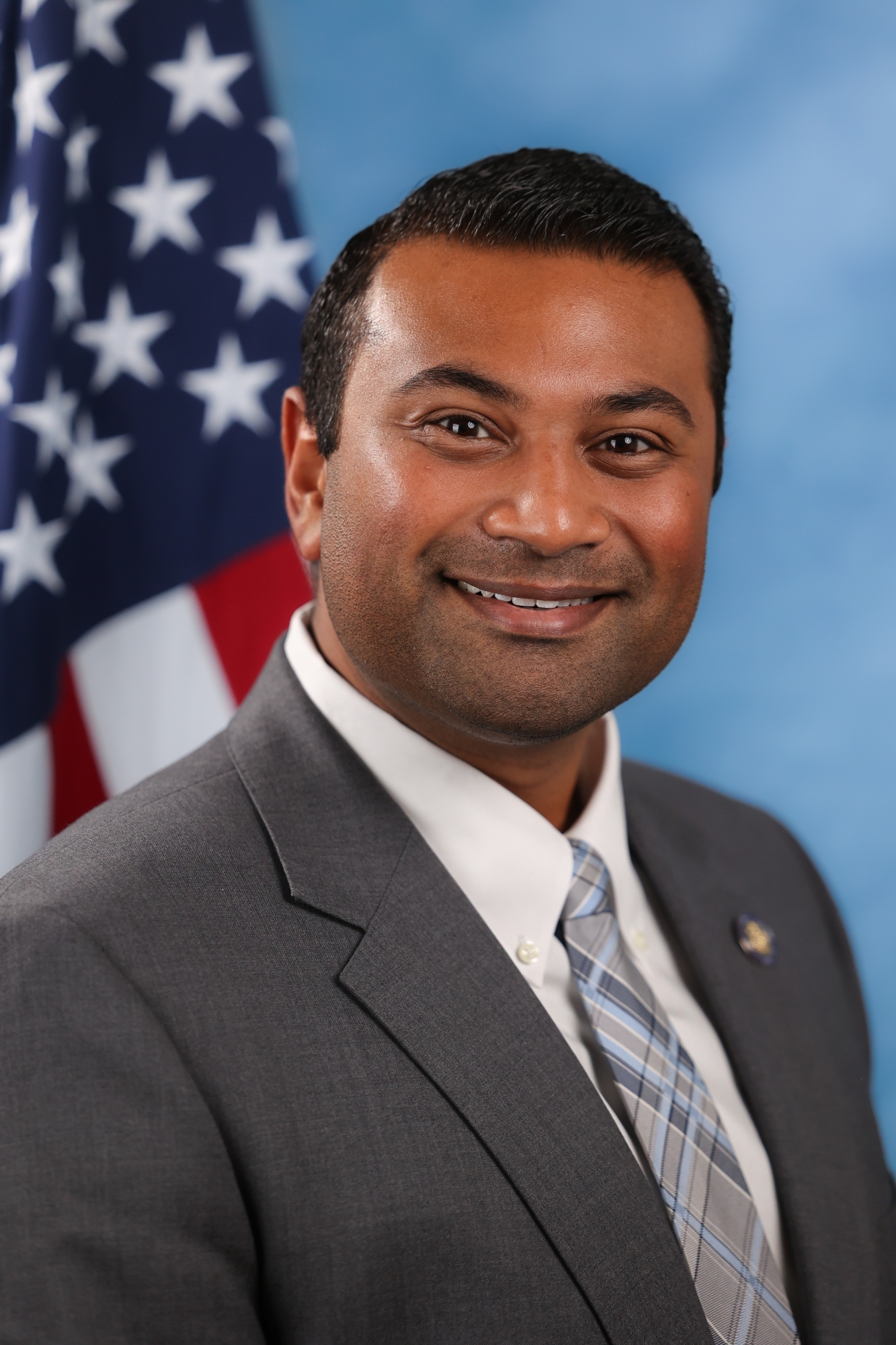
2025 Regular Session Introduced by Anil Beephan and 7 co-sponsors

Authorizes the Legislature to permit pool-selling to operate without profit, creating a regulated, non-profit wagering framework overseen by licensing, reporting, and oversight.

OPINION REFERRED TO JUDICIARY
0
WeVote Research Nonpartisan
Bill Summary · A 2257

Summary of Assembly Bill A 2257

Overview

  • Bill Number: A 2257
  • Title: Allows the legislature to authorize pool-selling without profit
  • Status: Opinion referred to Judiciary
  • Introduced: January 16, 2025
  • Classification: Bill

This bill appears to authorize the Legislature to permit pool-selling activities that operate without profit. The exact statutory mechanism, definitions, and limitations would be detailed in the bill’s text, which is not included in the provided materials.

Purpose and Intent

  • The primary stated purpose, based on the title, is to empower the Legislature to authorize pool-selling activities that are non-profit.
  • The bill’s placement in the Racing and Wagering committee (as introduced) suggests relevance to gaming, wagering, or betting pools and how they are regulated or permitted within existing frameworks.

Key Provisions (as indicated by title and procedural history)

  • Authorization Power: Enables the Legislature to authorize pool-selling activities to operate without profit. The precise criteria, scope (what types of pools, events, participants), and controls would be set forth in the full text.
  • Non-Profit Condition: Any permitted pool-selling would be conditioned to operate without profit, implying mechanisms to restrict profit-taking and to ensure proceeds, if any, are used for defined purposes (e.g., public benefit, charitable causes, or statutory programs). The exact definitions and enforcement methods would be specified in the bill.
  • Regulation and Oversight: Given the bill’s referral history to Racing and Wagering and then to Judiciary, it's likely there would be regulatory oversight provisions, licensing requirements, reporting, and compliance mechanisms to supervise such pool-selling activities.

Note: The current materials do not provide the bill’s full text, definitions, or specific regulatory requirements. The above reflects the implications of the title and the bill’s committee referrals.

Affected Parties

  • State or local government entities responsible for gaming, wagering, or racing regulation.
  • Operators or organizers of pool-selling activities that would seek non-profit authorization.
  • Stakeholders in the racing and wagering industry, including licensees and participants.
  • The general public, to the extent pools offer public betting or fundraising opportunities under non-profit terms.

Procedural Timeline and Status

  • 2025-01-16: Referred to Racing and Wagering (initial committee referral).
  • 2025-01-17: Referred to Attorney General for opinion (two entries in the record).
  • 2025-02-05: Opinion referred to Judiciary (two entries in the record).
  • Status indicates the bill is progressing through committee review and seeking AG’s legal opinion before final consideration by the Judiciary.

Legislative History and Sponsors

  • Primary Sponsor: Jerett Gandolfo
  • Cosponsors: Brian Maher, Eric Brown, Angelo J. Morinello, Scott Gray, Joe DeStefano, Karl Brabenec, Anil Beephan Jr.
  • Related Bills: A 6890 (prior-session)

Related Legislation

  • A 6890 (prior-session) may share themes or provisions related to pool-selling or wagering regulations, providing context for this bill’s approach.

Potential Impacts and Considerations

  • Policy Implications: Introducing a framework for non-profit pool-selling could affect existing wagering regulations, fundraising models, and charitable gaming practices.
  • Regulatory Framework: Expect discussions around licensing, scope, permissible activities, reporting requirements, and the use of proceeds.
  • Fiscal/Operational Effects: The bill could alter revenue streams for operators and potentially influence state oversight costs; details would depend on the final text.

Note: This summary reflects the information provided. A full analysis would require the bill’s actual legislative text to detail definitions, provisions, fiscal estimates, and specific regulatory mechanisms.

Compiled from official sources — confirm details with the bill’s official record.

Sign in to ask a question.