

WeVote

Bill

Bill

HB 1376

Aligning policies to reflect the updated standards of practice for school district staff.

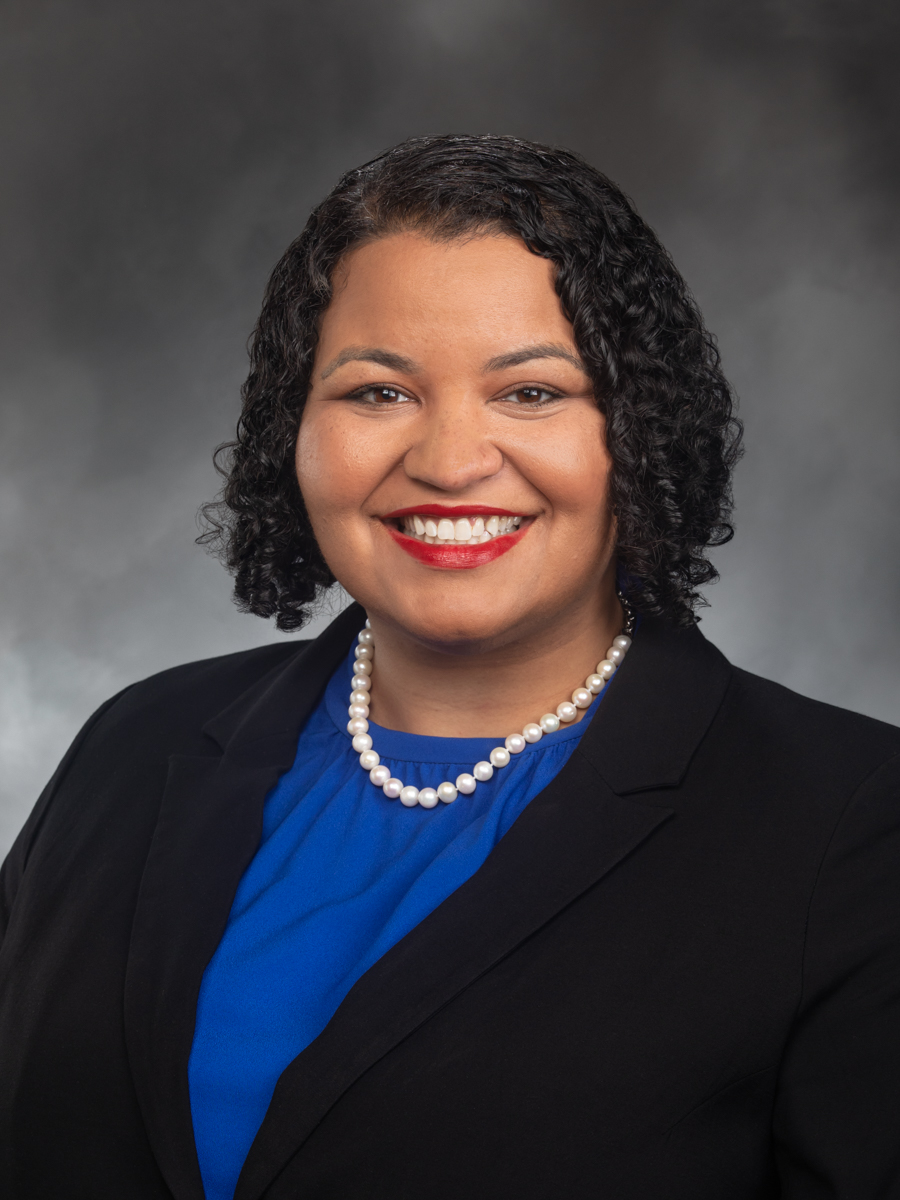
2023-2024 Regular Session Introduced by Julia Reed and 1 co-sponsor

Requires every high school to provide annual CPR and bleeding-control training; students may seek certification, and the state will reimburse districts for certification costs.

By resolution, reintroduced and retained in present status.
0
WeVote Research Nonpartisan
Bill Summary · HB 1376

HB 1376 — Summary (North Dakota)

A bill to create and enact a new section to chapter 15.1‑19 of the North Dakota Century Code, relating to cardiopulmonary resuscitation (CPR) training for high school students.

Main purpose

Require high schools to offer annual CPR training to students (with an option for students to obtain certification) and to include training on controlling severe bleeding. The State Superintendent of Public Instruction would reimburse school districts for costs incurred to provide CPR certification.

Key provisions

  • New statutory section requiring each high school to offer annual cardiopulmonary resuscitation training.
  • Certification is optional — students who wish to become certified may do so.
  • Training must:
    • Be provided by an instructor certified by the American Heart Association (AHA), the American Red Cross (ARC), or another nonprofit organization nationally recognized for CPR training.
    • Be conducted according to the guidelines established by the certifying organization.
    • Include training on stopping the bleeding of a severely injured person (bleeding-control instruction).
  • The Superintendent of Public Instruction is directed to reimburse school districts for costs incurred to provide CPR certification to high school students.

Who would be affected

  • High school students (who would receive annual CPR and bleeding-control training and may opt for certification).
  • High schools and school districts (responsible for offering training, coordinating certified instructors, and seeking reimbursement).
  • The Office of the Superintendent of Public Instruction (responsible for administering reimbursements).
  • Certified CPR instructors and recognized nonprofit training organizations (AHA, ARC, etc.), who would be engaged to deliver training.

Implementation and fiscal considerations

  • The bill mandates reimbursement to school districts for certification costs, implying a state fiscal impact; however, the bill text does not specify reimbursement levels or a funding source. Actual costs would depend on:
    • Number of schools/students participating,
    • Per‑student or per‑certification fees,
    • Costs of instructors, training equipment (manikins, bleeding-control kits), and scheduling.
  • Administrative details (e.g., reimbursement procedures, documentation requirements, timeline for payments) are not specified in the bill text and would need to be determined by the Superintendent’s office or implementing rules.

Procedural status (as provided)

  • Introduced: November 18, 2024.
  • Status: Second reading — failed to pass (yeas 0, nays 92).
  • As currently failed at second reading, the bill did not become law; it could be reintroduced or amended in a future session.

Expected policy impacts (if enacted)

  • Increased student exposure to lifesaving skills (CPR and bleeding control), potentially improving bystander response in emergencies.
  • Administrative and training burden on schools, compensated in part by state reimbursement.
  • Potential one‑time and ongoing state and local costs related to certification fees, instructor compensation, and equipment.

If you’d like, I can draft a short fiscal estimate (low/medium/high cost scenarios) or suggest specific reimbursement language or implementation steps that would make administration clearer.

Compiled from official sources — confirm details with the bill’s official record.

Sign in to ask a question.